
Sort by
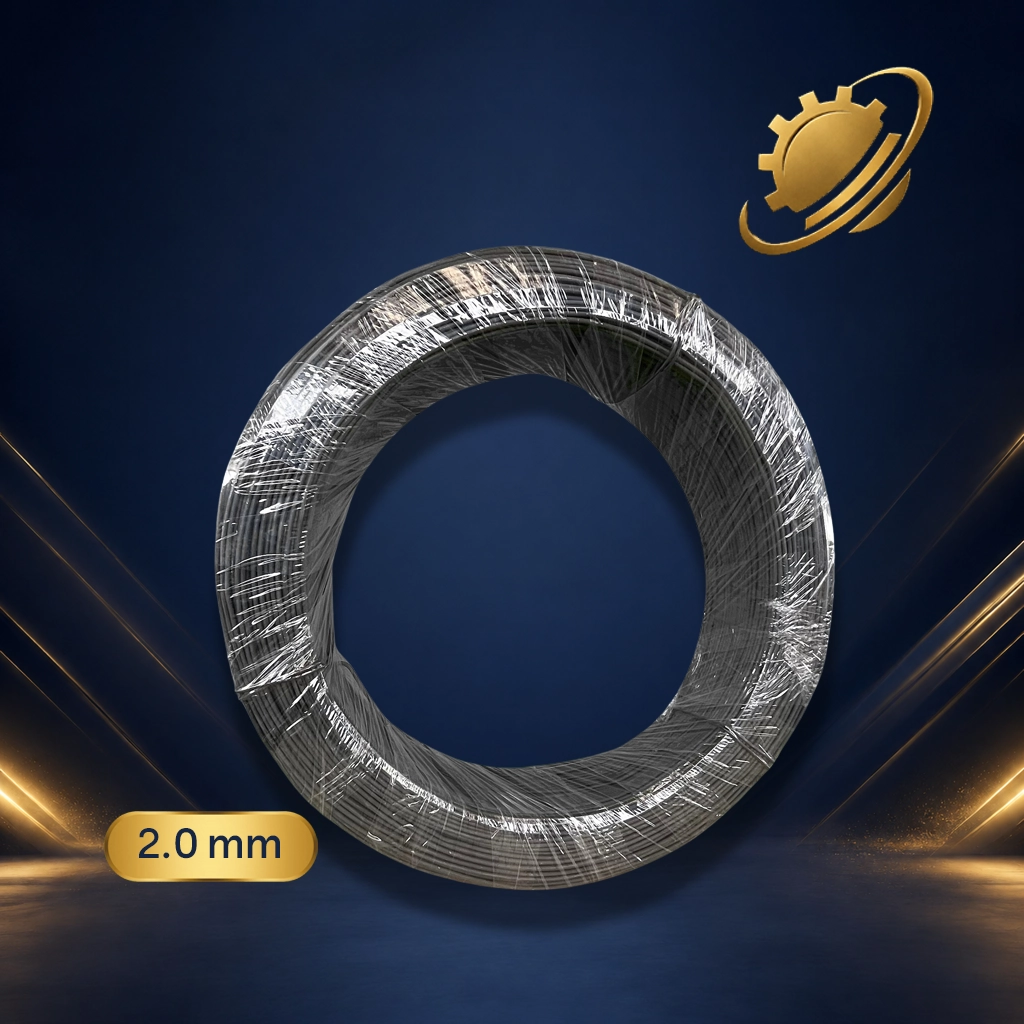
Black wire, known among engineers and contractors of construction projects as annealed wire, plays a vital role in structural connections. Our 2.0mm black wire is produced with a special focus on o View details
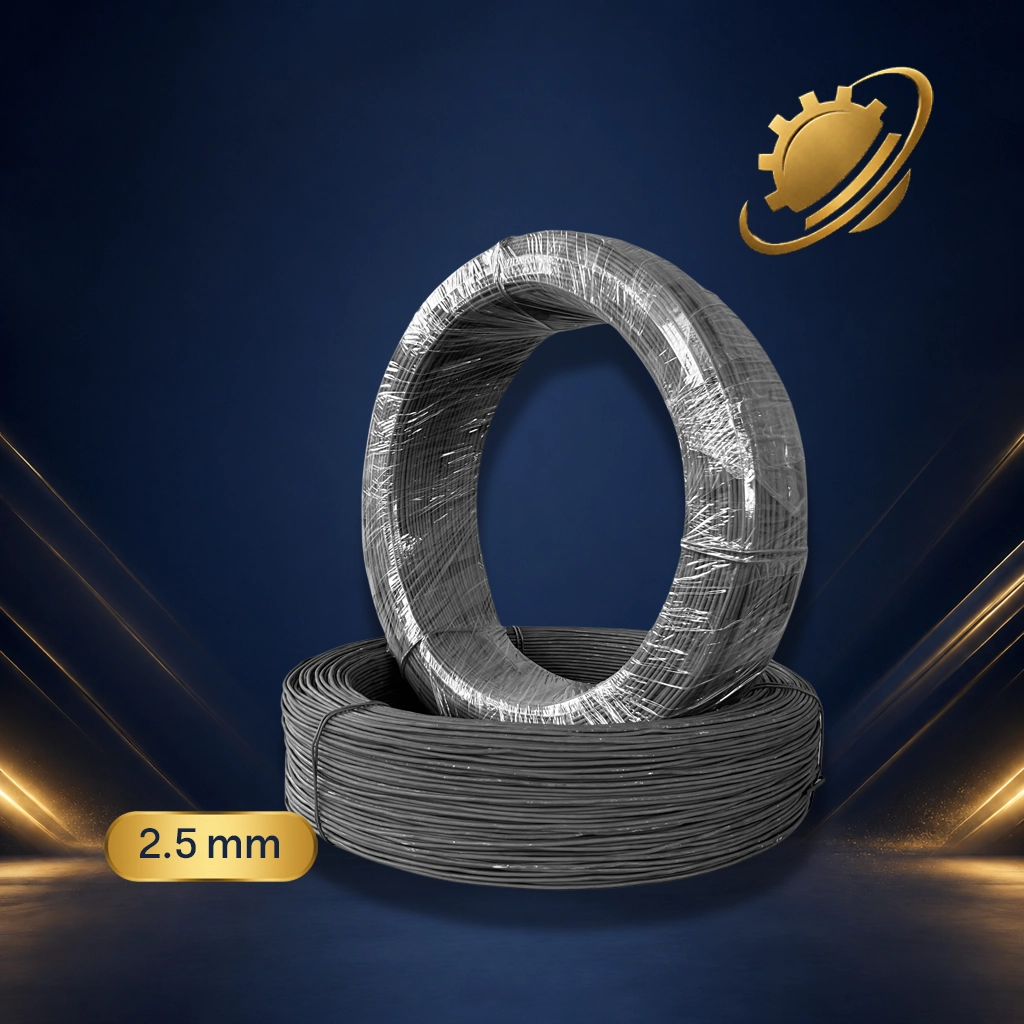
Black wire, also known as rebar tying wire or annealed wire, plays a key role in the strength and integrity of concrete structures. Our 2.5mm black wire is specifically produced to meet the technic View details
In every concrete project, the quality of tying rebars affects the order of the reinforcement grid, execution speed, and even part of the final quality of the work. That is why choosing the right wire is not just a simple purchase; it is directly connected to workshop productivity. Black edge-strip wire for rebar tying is used as an economical option in many construction projects and is a notable choice for buyers who want to control costs.
Quick Take: Black edge-strip wire for rebar tying is produced by drawing the edges of steel sheet and applying annealing, and it is used for tying rebar in general projects.
This product is made from the side sections of steel sheet. After these sections are prepared, they go through the drawing process to reach the diameter required for rebar tying. In the next stage, annealing is applied to the wire so that the final product becomes softer and more workable.
The reason the market welcomes this type of wire is its more competitive price compared with standard models. However, alongside this advantage, its qualitative differences should also be considered. This is why the product is used more often in general projects and cost-sensitive applications.
The raw material for edge-strip wire is obtained from the edges of steel sheet. This has a positive effect on the final product cost and makes it a cost-effective option.
Annealing increases the softness of the wire and reduces its brittleness. This feature is very important for tying rebar, knotting, and twisting on the job site.
| Technical Specification | Product Details and Standards | Buying Decision Guide (Added Value) |
|---|---|---|
| Size (Wire Diameter) | 1.5 mm (main rebar tying size) 2.5 mm (common formwork tying size) |
It is recommended to choose 1.5 mm for rebar knotting and 2.5 mm for tying formwork. |
| Coil Weight | 15 to 25 kg coils (standard packaging) | Optimal coil weight helps prevent rebar workers from getting fatigued at height and during on-site handling. |
| Type of Application | Knotting and connecting rebars, concrete formwork, workshop packaging industries, and general construction use | An extremely economical option for mass construction projects and large-scale builders. |
| Raw Material Type | Produced from the edges of steel sheet (cold drawing from sheet edge) | Significant reduction in total project cost compared with factory-produced wire. |
| Softness Condition (Flexibility) | Super annealed with standard furnace heat treatment | High flexibility without cracking or wire breakage during knotting with pliers. |
| Price Range | Economical and competitive (based on the daily price of sheet and steel products) | Due to the use of sheet edges, this product is 10 to 15 percent cheaper than factory-produced wire. |
Quick Take: The most important features of this product are suitable softness, cost efficiency, workability on site, and its quality difference from standard rebar tying wire.
In rebar tying, the wire must be soft enough to easily form around the rebars when tied and twisted, without causing excessive fatigue for the worker. If properly annealed, this product delivers exactly that performance.
In projects with high consumption volume, even a small price difference per kilogram can significantly affect the total cost. In such conditions, edge-strip wire becomes an economical choice.
Rebar workers need a product that can be tied quickly, twisted easily, and perform reliably during work. This type of wire meets that need in many construction workshops.
Although this product is suitable for many projects, it should be noted that its raw material, diameter consistency, and final quality may differ from standard wire. This difference becomes more important in sensitive projects.
Quick Take: This product is mainly used for tying rebar in concrete structures, light and medium-duty projects, and general construction workshops.
The main application of this product is connecting and tying rebars in reinforcement grids. If the wire has sufficient softness, execution speed increases and the rebar worker’s task becomes easier.
In many light and medium-duty projects where cost control is very important, this product can meet the required needs.
Workshops with continuous daily consumption usually look for a product that is both practical and cost-manageable. Black edge-strip wire for rebar tying is exactly suitable for that environment.
Quick Take: The difference between these two products is defined by raw material, softness and uniformity, as well as price and purchasing value.
Standard rebar tying wire is usually produced from more uniform and more controlled raw materials, while edge-strip wire is obtained from the edges of steel sheet.
In the standard type, softness, diameter, and coil quality are usually more uniform. In contrast, edge-strip wire may show more variation in diameter or quality.
If your main criterion is economical price, edge-strip wire offers strong purchasing value. But if your project is more sensitive, paying more for the standard type may be more logical.
Quick Take: For a correct purchase, you should evaluate the right size, project type, and actual coil quality at the same time so you can choose a product that matches your needs.
For rebar tying, sizes are usually chosen that can be tied easily and do not tear during knotting. The exact size depends on the execution method, the type of rebar, and the experience of the installation team.
This type of wire is more suitable for general, light, and medium-duty projects, and for workshops where reducing purchase cost is important and a product with general performance is required.
When buying, check the following:
- Softness and annealing quality of the wire
- Diameter uniformity along the coil
- Actual coil weight
- Condition of the packaging
- Suitability of the product for the project type and execution sensitivity
Quick Take: The price of this product depends on wire diameter, coil weight, and fluctuations in the steel market.
As the diameter changes, raw material consumption and the final application also change. For that reason, the product price varies according to its thickness.
The weight of each coil plays a role in order calculation, transportation, storage, and final pricing. Bulk buyers usually examine this factor more carefully.
The daily price of iron, energy costs, transportation costs, and supply-demand conditions in the market can all affect the price of black edge-strip wire for rebar tying.
Quick Take: Buyers’ main questions are whether this product is suitable for tying rebar, how it differs from the standard type, and which sizes are most widely used in the market.
Yes, for many general projects and construction workshops, this product is a suitable and economical option for tying rebar.
The main difference is in the raw material type, uniformity, final quality, and price. The standard model is usually more uniform and more expensive, while the edge-strip model is considered more economical.
Common rebar tying sizes are usually the most widely used, but the final choice should be based on the type of rebar, the execution method, and project conditions.
This product is more suitable for general, light, and medium-duty construction projects, especially when cost control and high daily consumption are important.
Yes, if its annealing has been done properly, it will have good softness and workability for tying rebar, knotting, and twisting on site.
Because its raw material is sourced from steel sheet edges, which reduces the final production cost.
You should not look only at the price. Also check softness, diameter uniformity, annealing quality, actual coil weight, and suitability for the project.
Yes for many general projects, but for more sensitive projects, the technical requirements and the expected quality level should be reviewed more carefully.
All material and intellectual property rights reserved by Zarin Navard Espadana Company.
Designed by Nemovweb Website Design and Digital Marketing Agency.