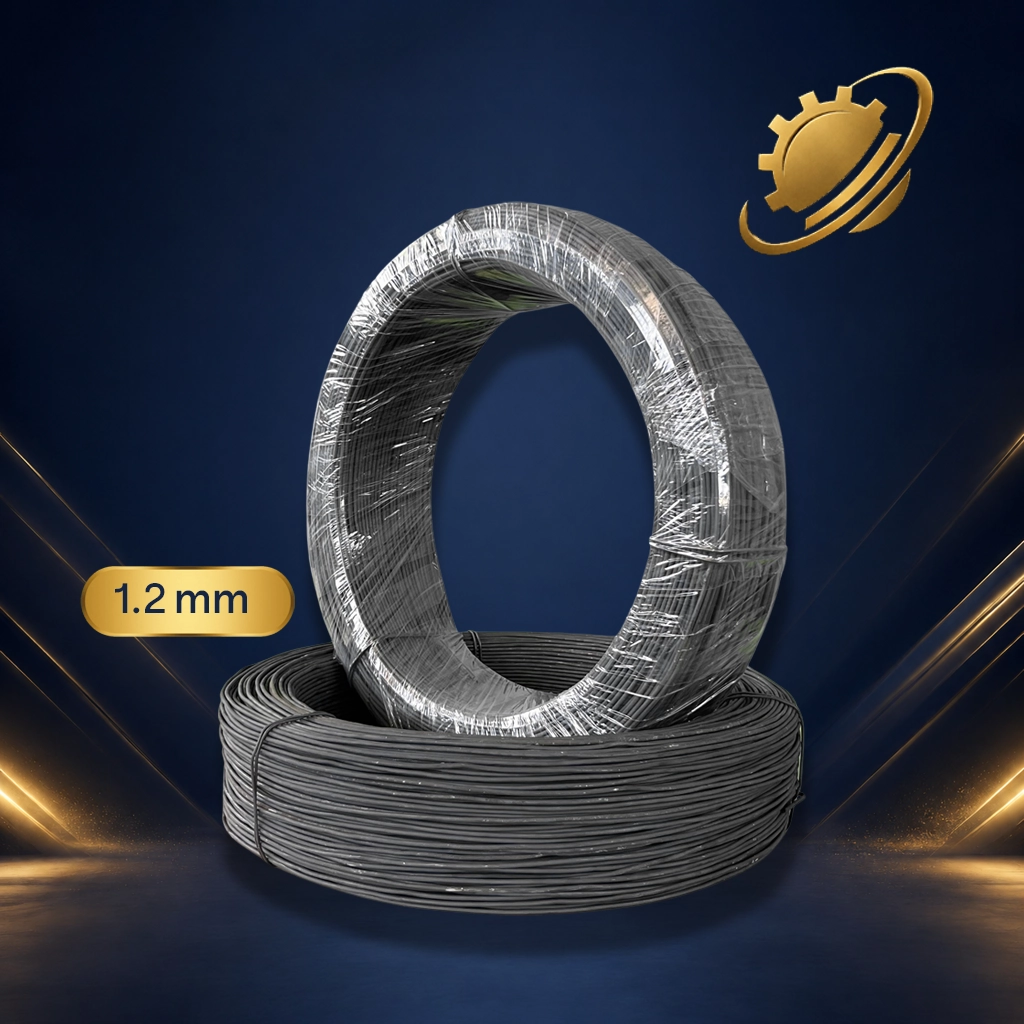
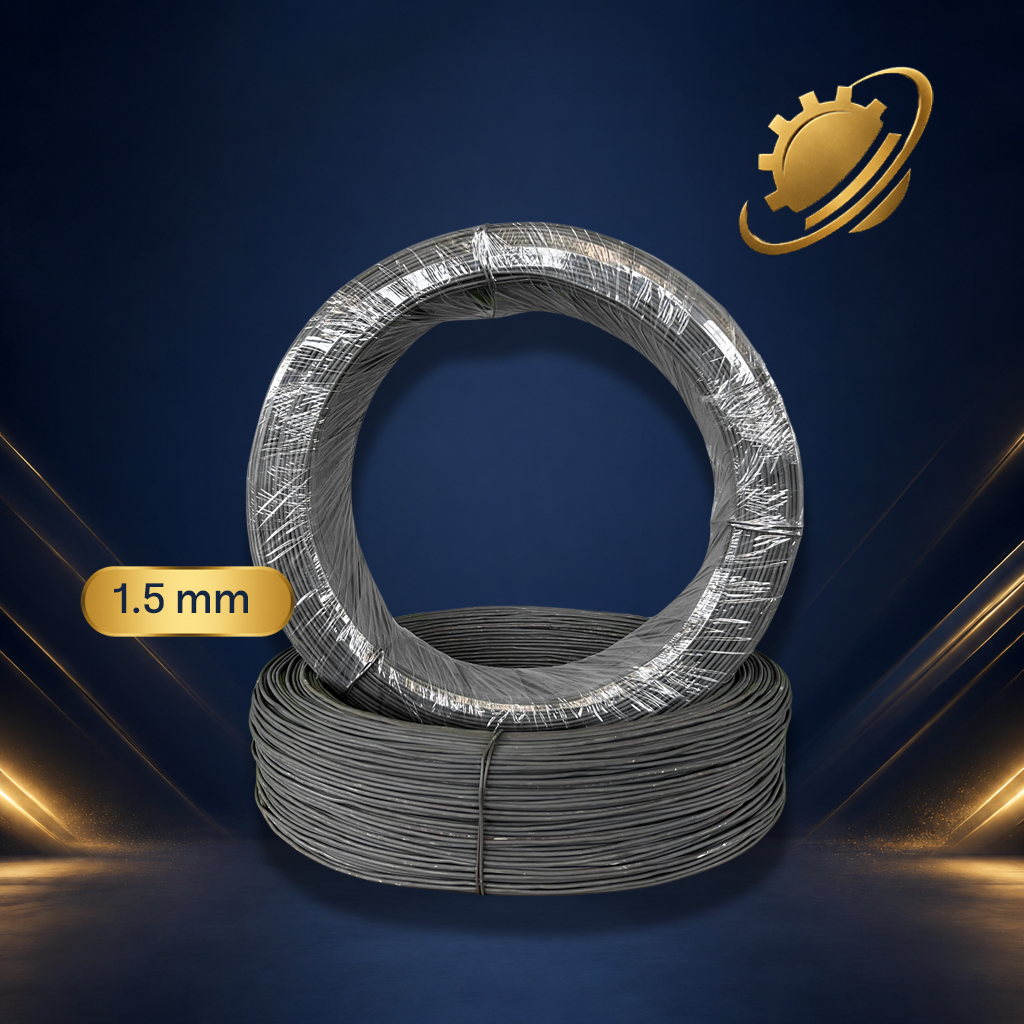
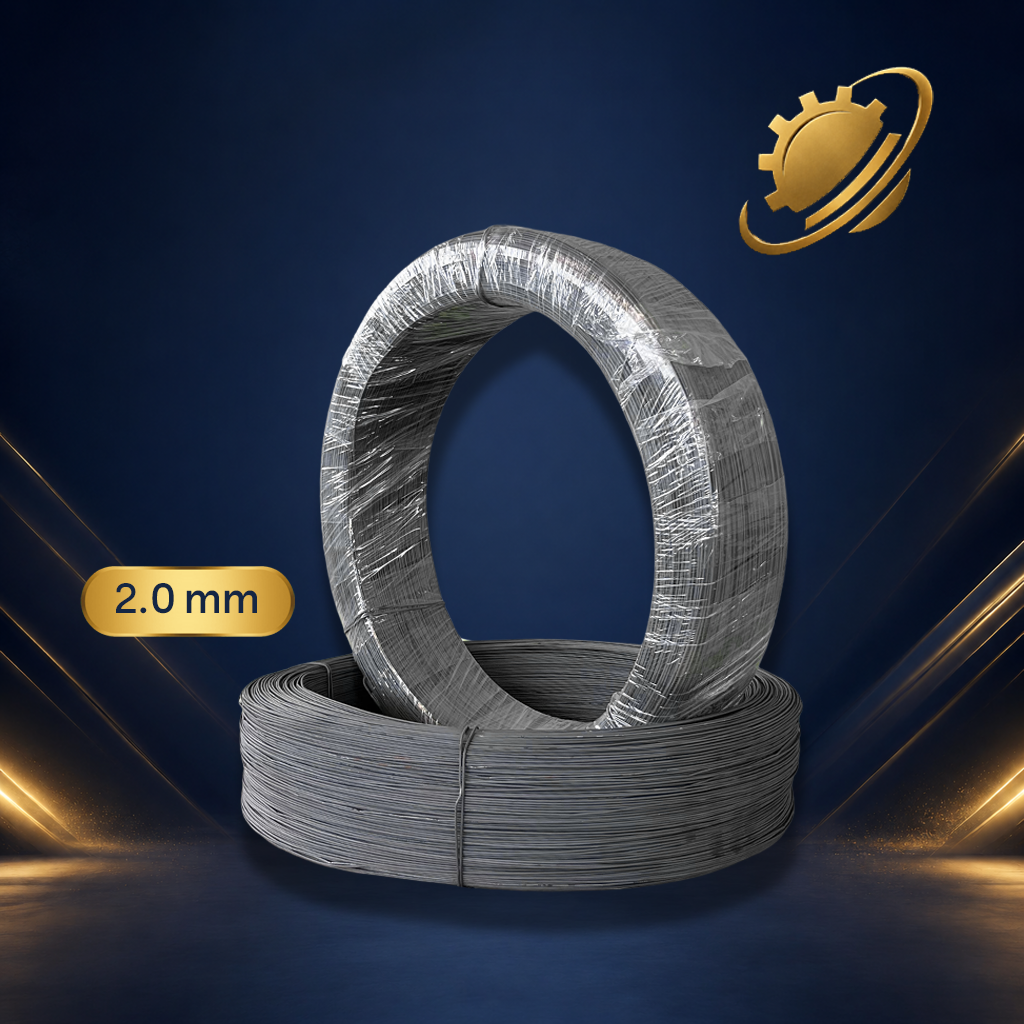
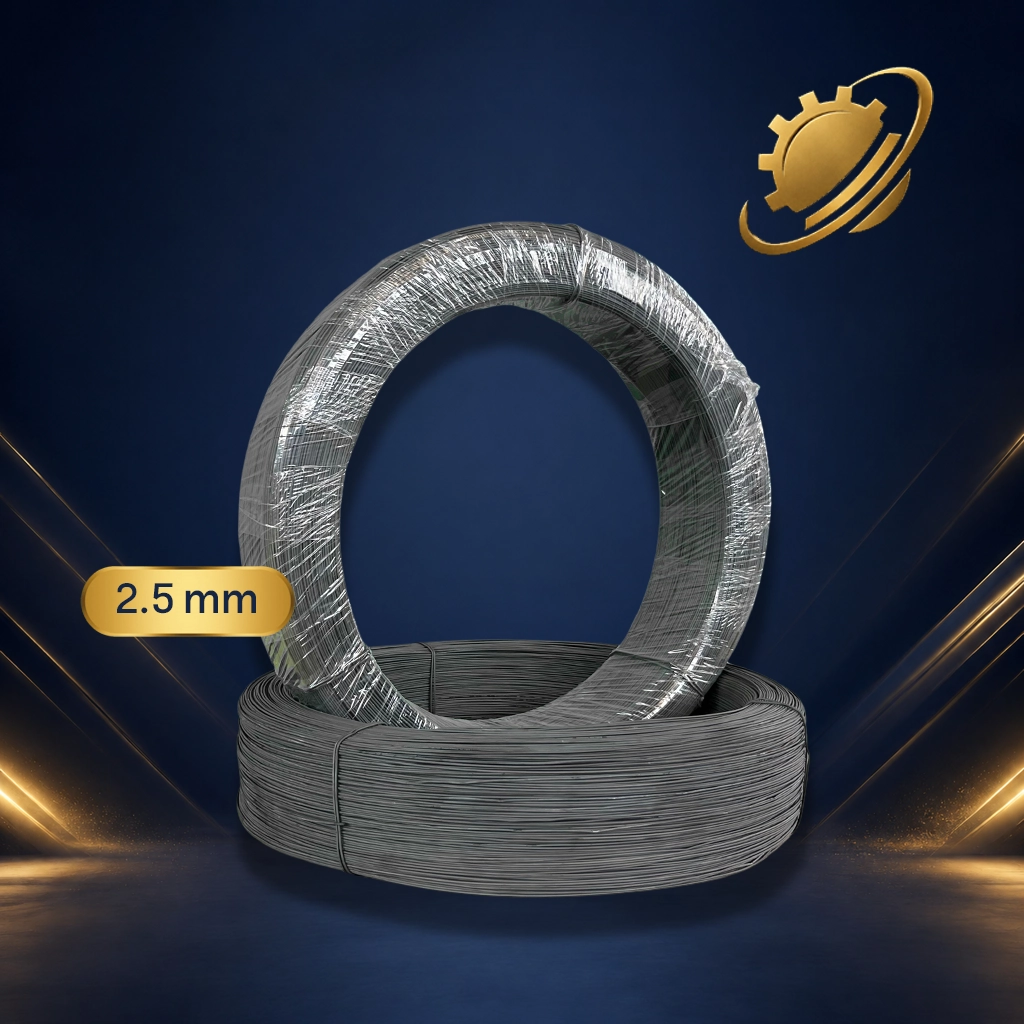
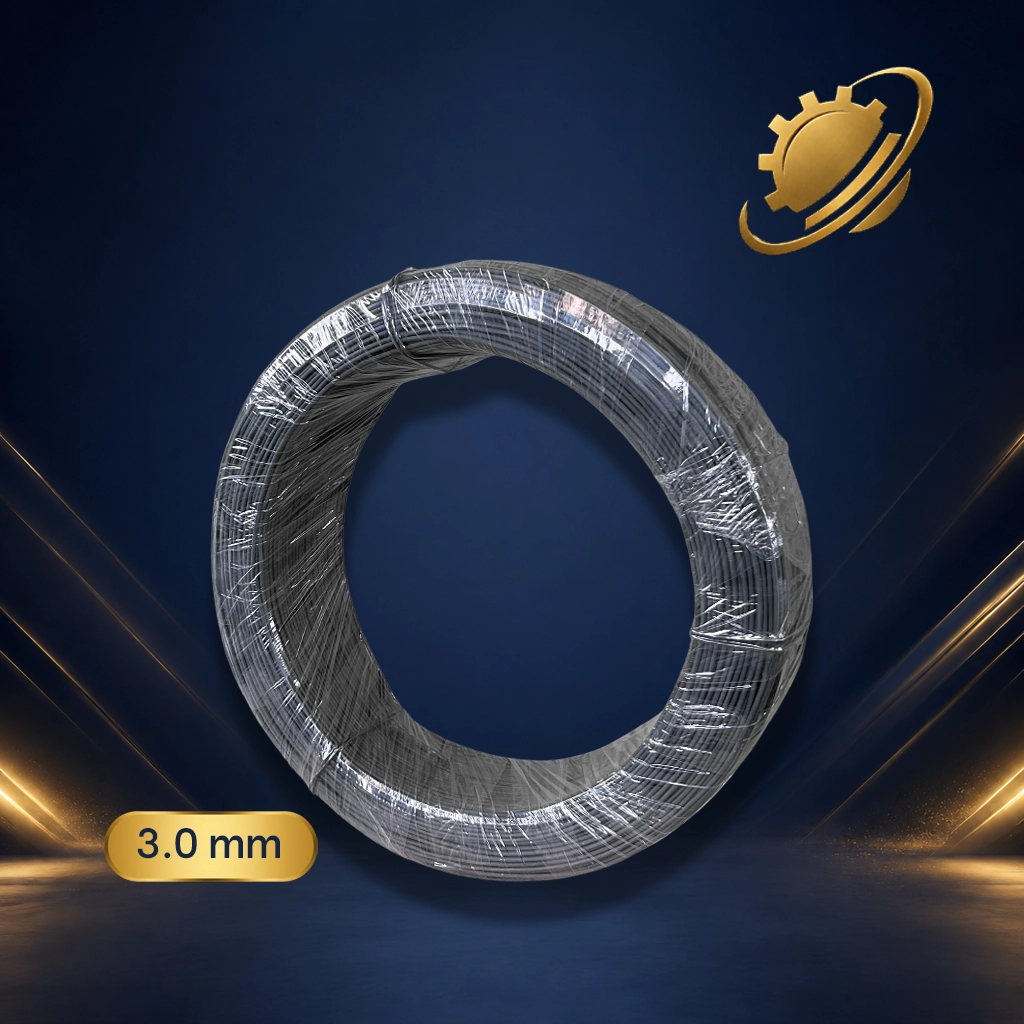
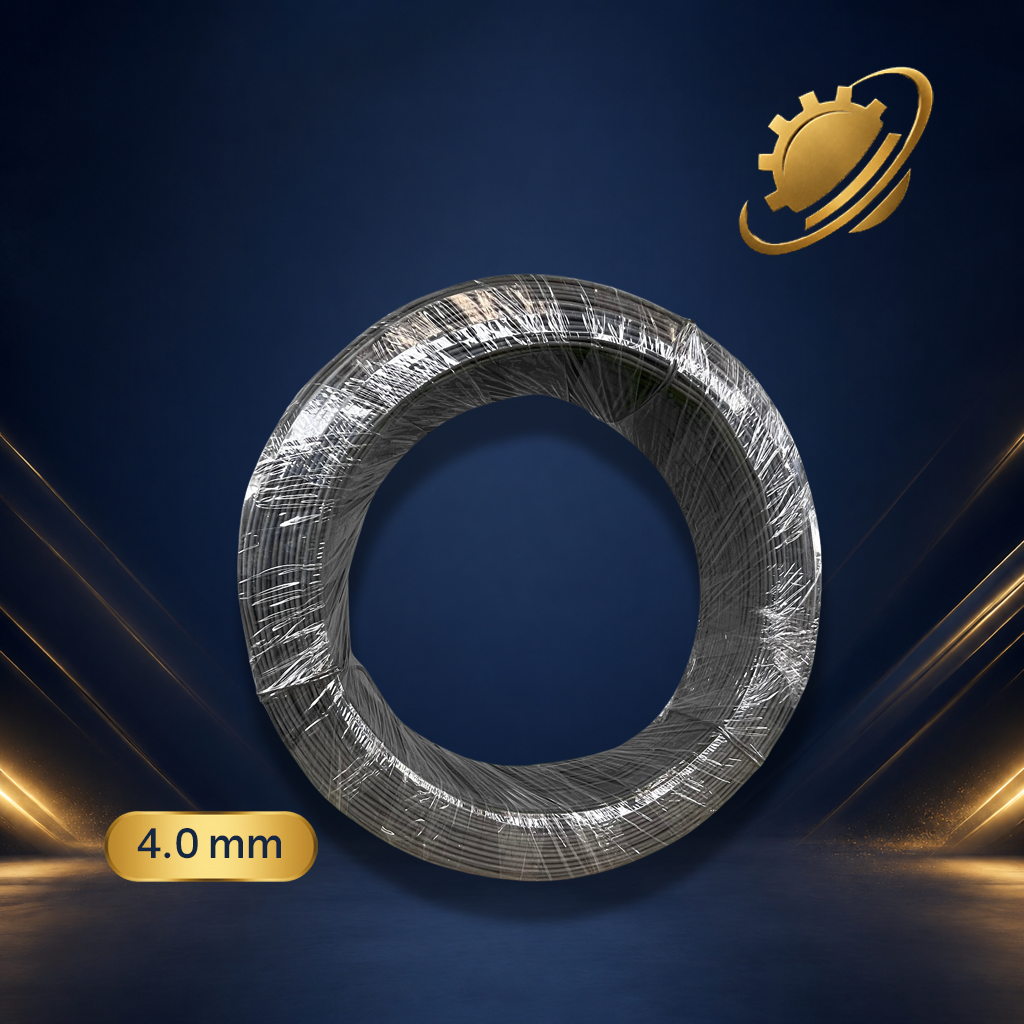
Zarrin Navard Espadana products
Key Takeaway: Zarrin Navard Espadana offers factory-direct purchasing of industrial wires (Black, Galvanized, Acid-Pickled, Meswar) without intermediaries. We provide custom dimensions, strict quality control, export-grade packaging, and competitive factory pricing for manufacturers and construction projects.
Direct Purchase of Industrial Wire; Guaranteed Quality, Factory Price
At Zarrin Navard Espadana online store, intermediaries have been eliminated. As a specialized manufacturer of industrial wires, we provide the possibility of direct and intermediary-free purchasing for factories, production workshops, and construction projects. By choosing our products, you benefit from flawless dimensional accuracy, valid metallurgical standards, and export-grade packaging. In this section, you can review our full product list and register your order after inquiring about up-to-date prices.
- Suitable for: Rebar tying, formwork, and general wire industries.
- Competitive Advantage: Extraordinary softness and high flexibility that minimizes work waste.
- Specifications: Sizes 1.2 to 5 millimeters (available in coils and straight bars).
2. Galvanized Wire
- Suitable for: Fencing, agricultural industries, and structures exposed to humidity.
- Competitive Advantage: Uniform zinc coating with high durability against rust and corrosion.
- Specifications: Resistant to atmospheric factors, compliant with rust control standards.
3. Acid-Pickled Wire
- Suitable for: Bolt and nut manufacturing, automotive industry, and precision engineering parts.
- Competitive Advantage: A very clean and shiny surface without the slightest oxide contamination, ideal for redrawing operations.
- Specifications: Produced from wire rod with specific industrial grade.
4. Meswar Wire
- Suitable for: Home appliance production, shelving, wire baskets, and interior decorations.
- Competitive Advantage: Polished surface, excellent weldability, and brilliant appearance.
- Specifications: High dimensional accuracy along the entire length of the wire.
Why is purchasing from Zarrin Navard Espadana cost-effective?
- Customization: We are not limited to specific dimensions; you can order wires in the form of coils or straight bars (50 cm to 3 meters).
- Strict Quality Control: All our products undergo "ultimate tensile stress", "yield point", and "relative elongation" tests to ensure the technical authenticity of the goods.
- Logistics and Packaging: Standard export packaging and high loading speed guarantee timely delivery to your project.
Free technical consultation before purchase
- Do you need a specific grade or size for your project that is not on the list? Our technical team is ready to suggest the best option in terms of economy and application. To receive the daily price list and direct consultation with the sales manager, call now.
09131212138