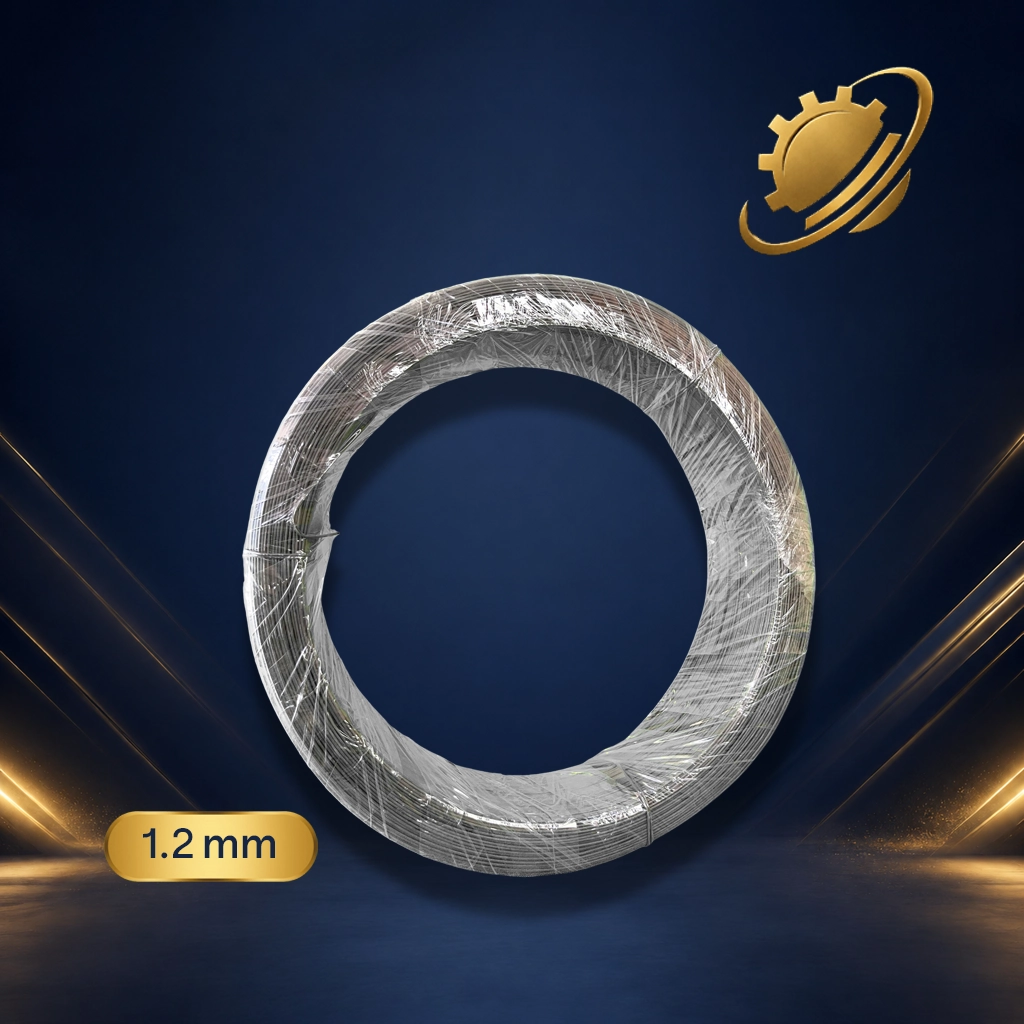
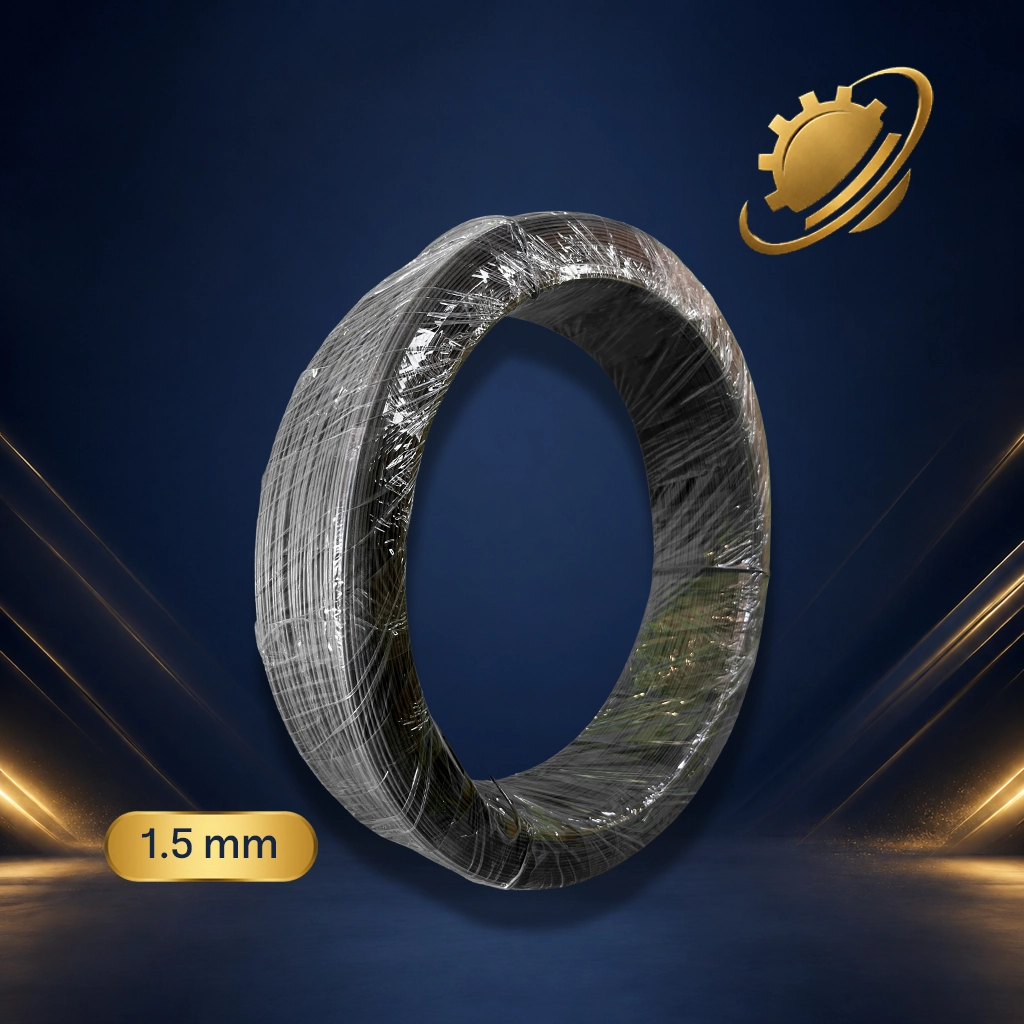
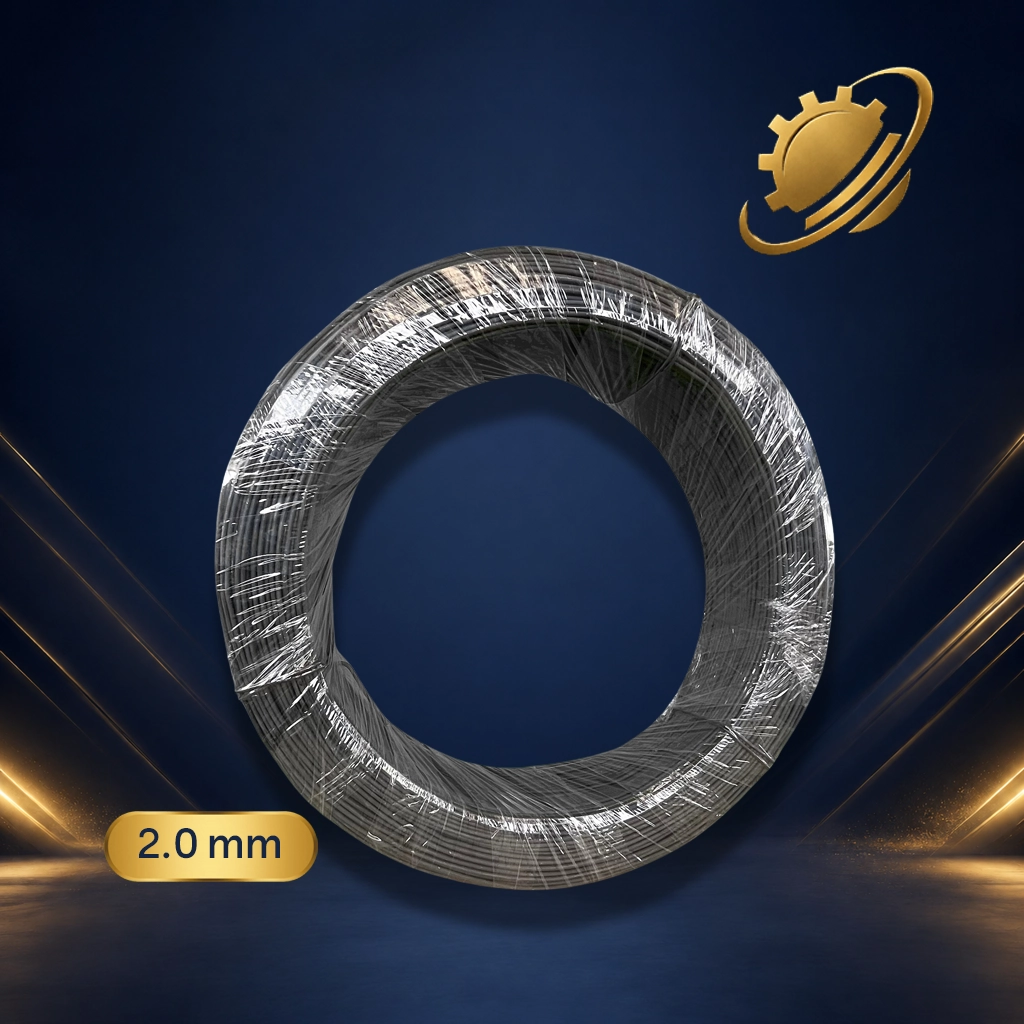
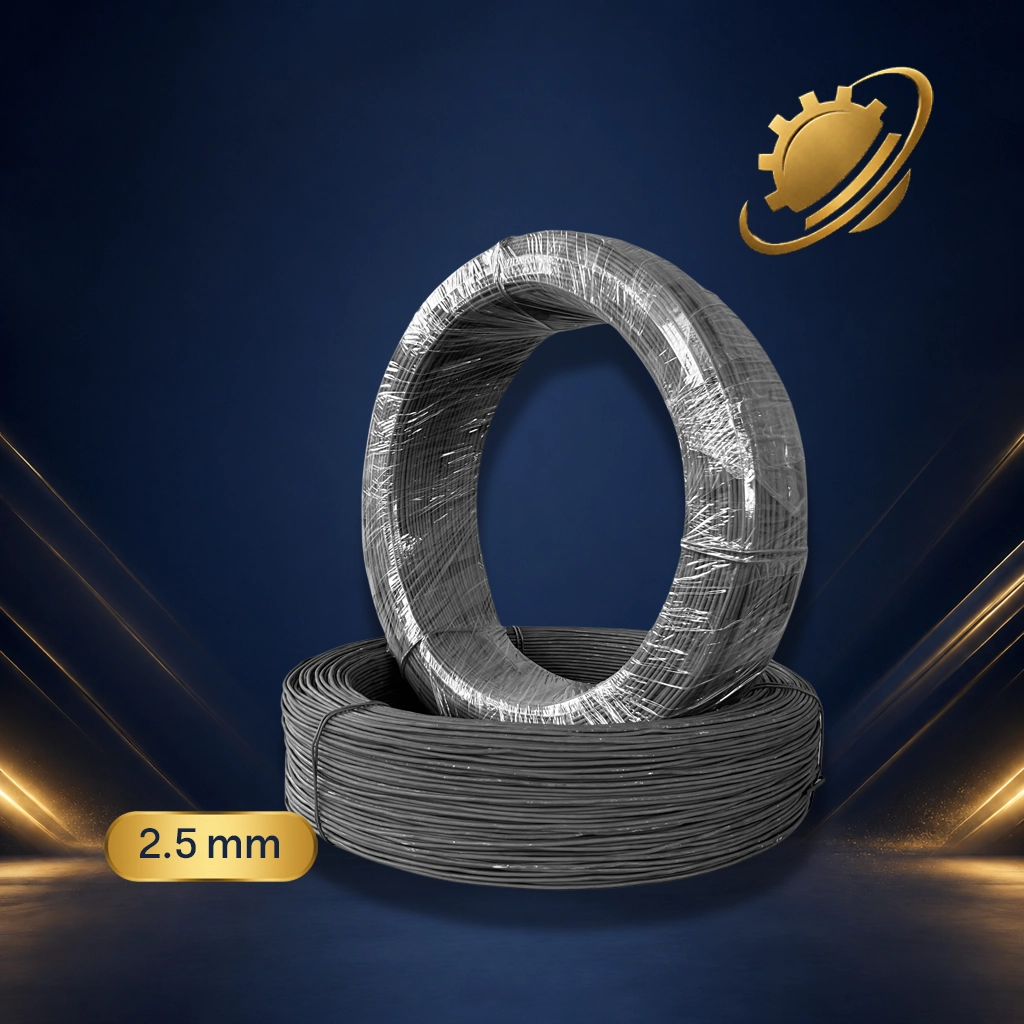
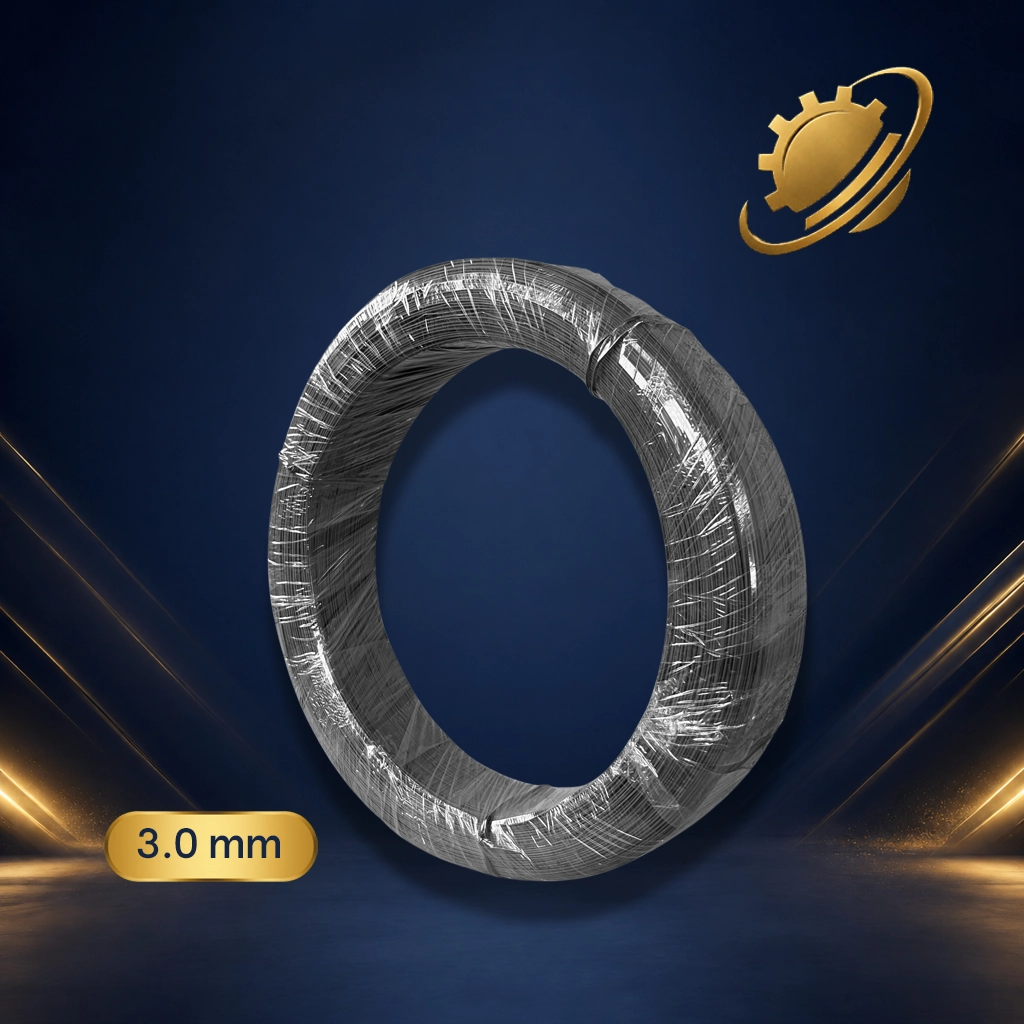
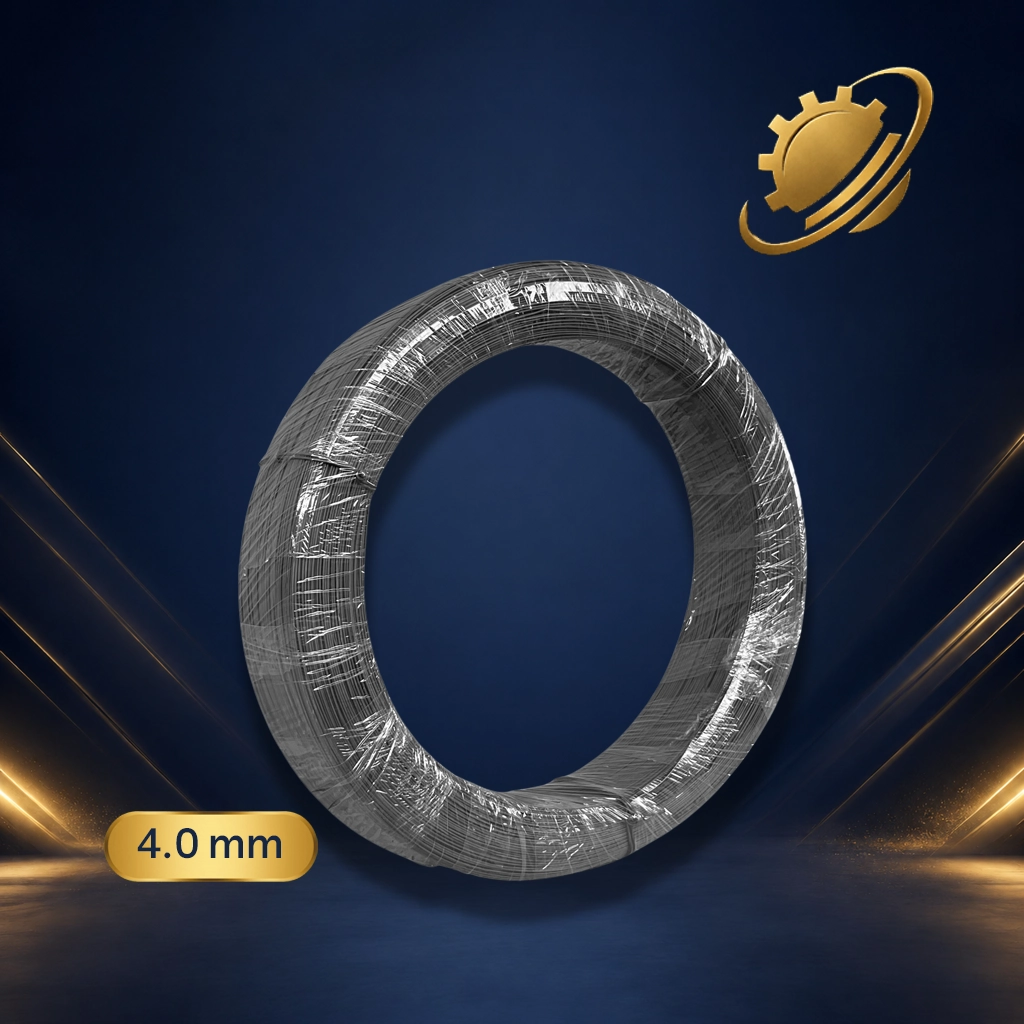
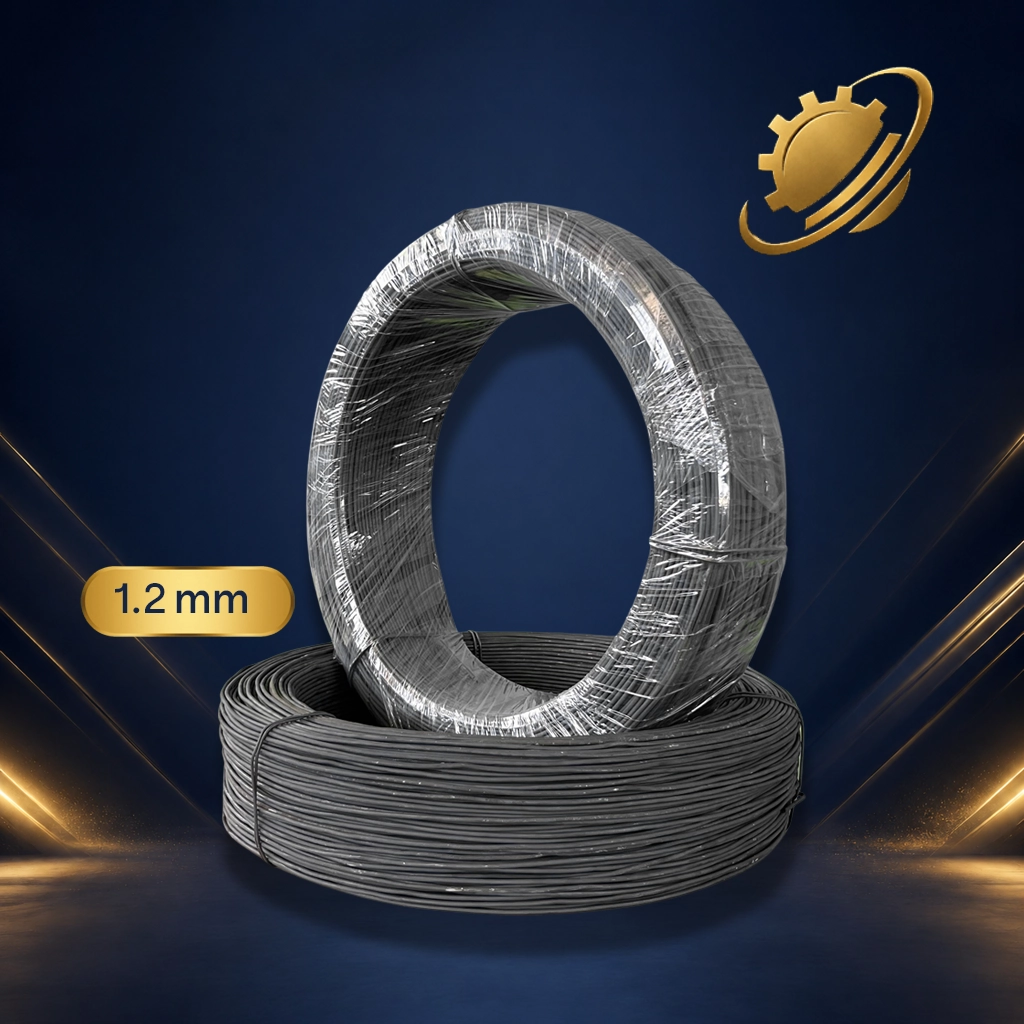
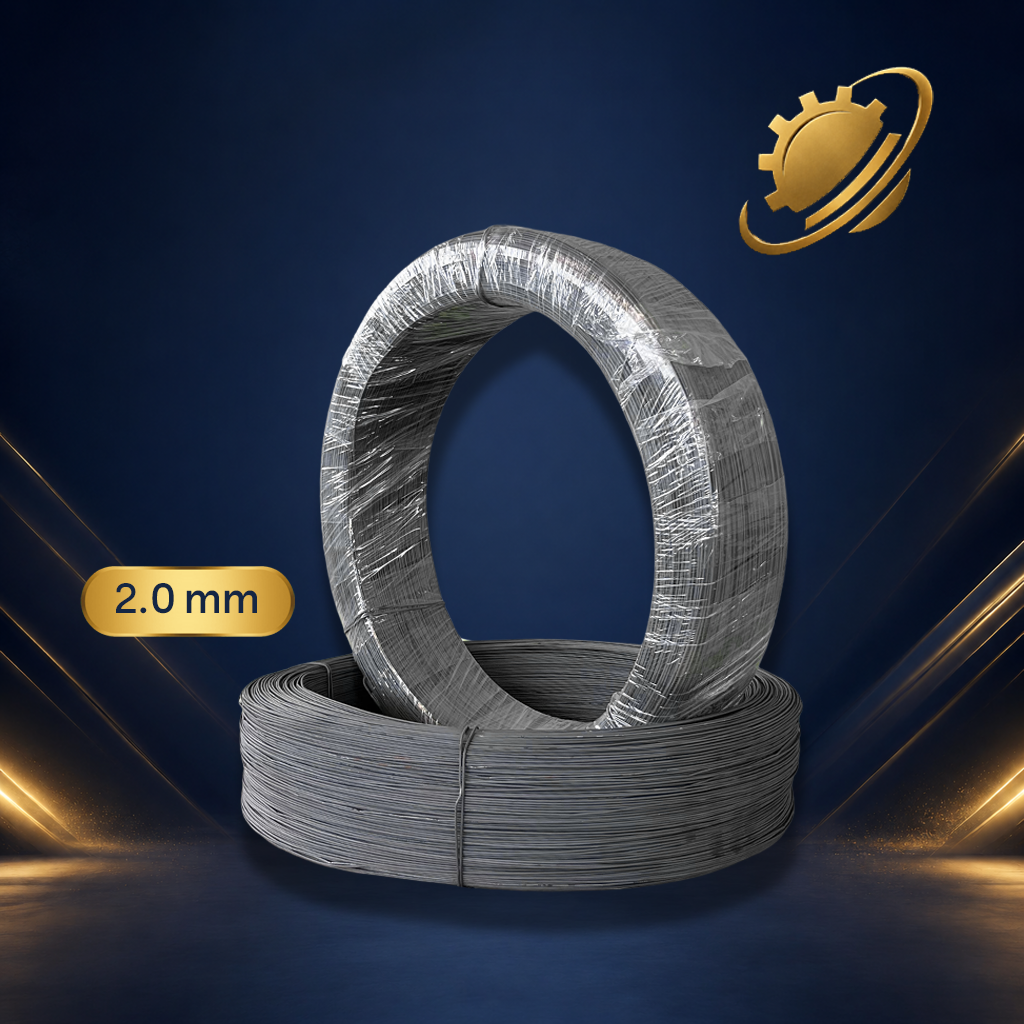
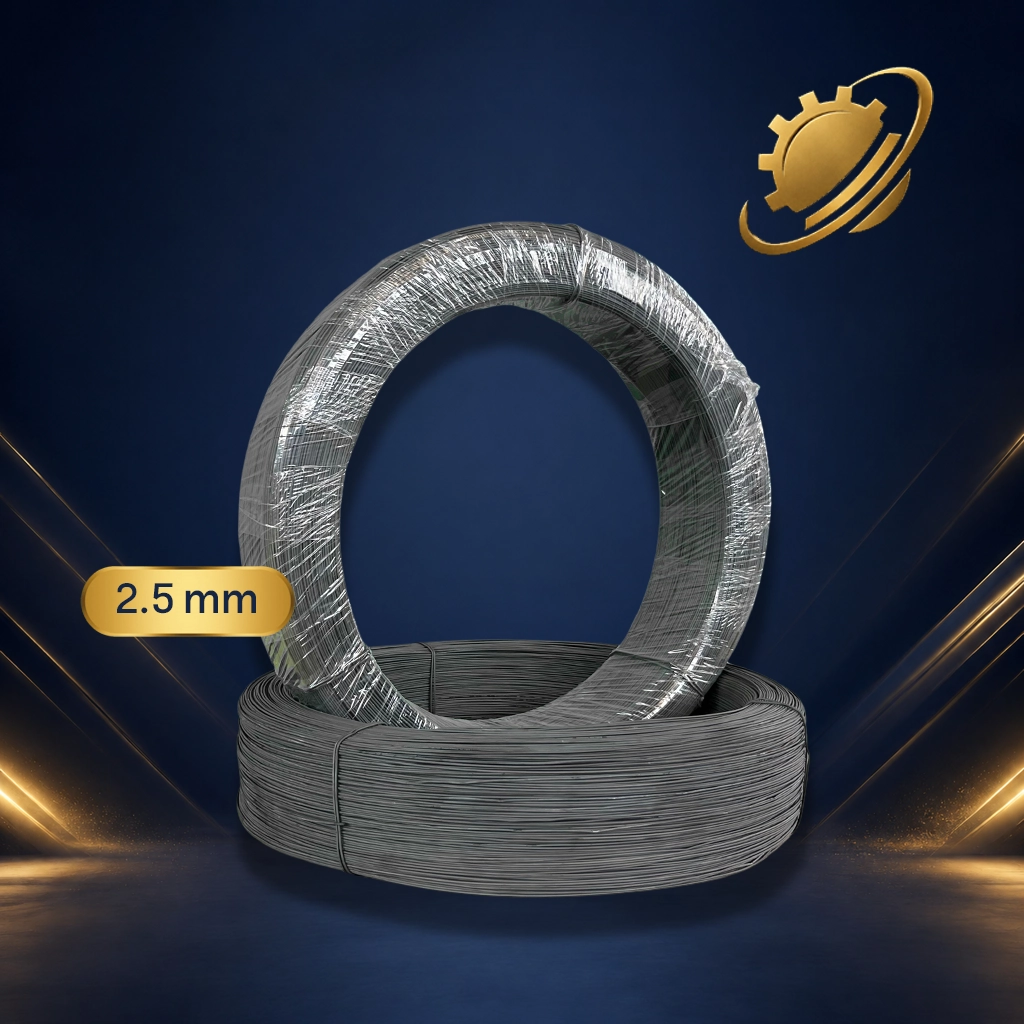
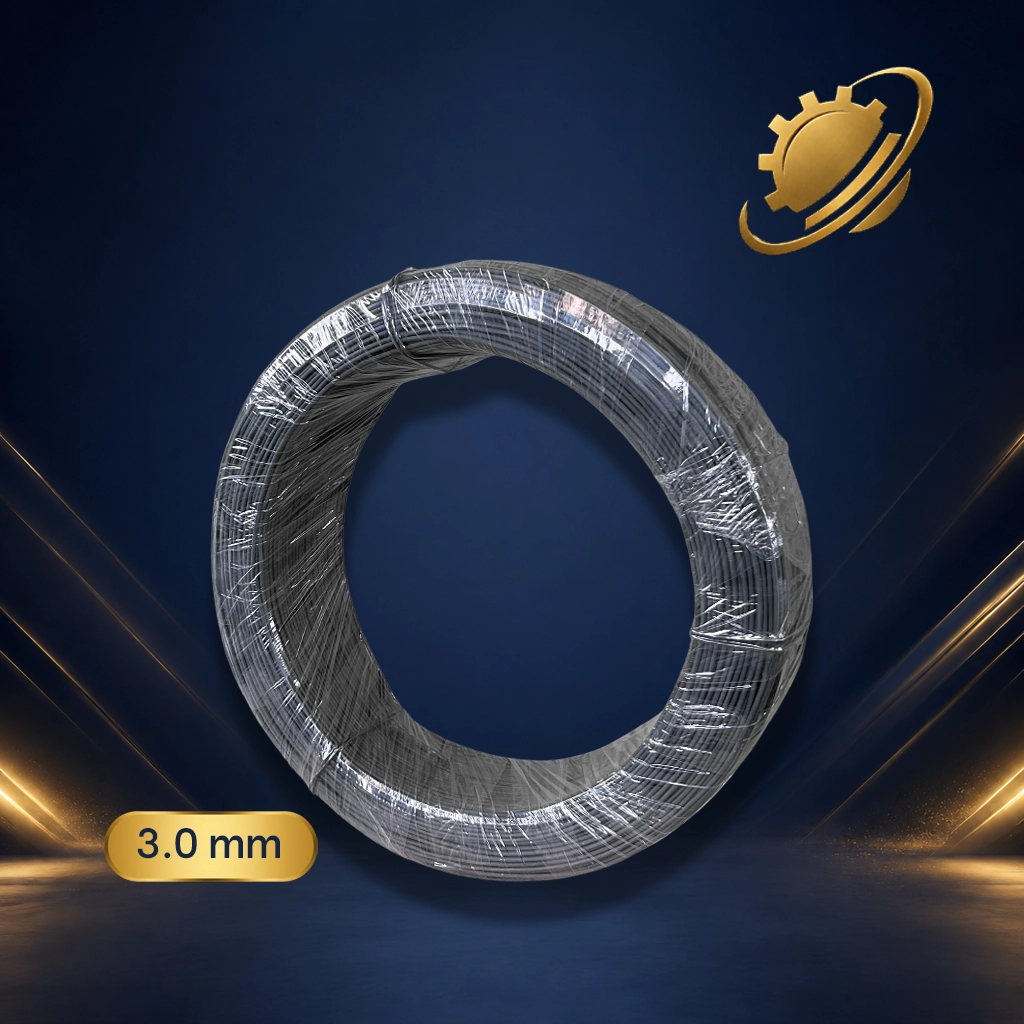
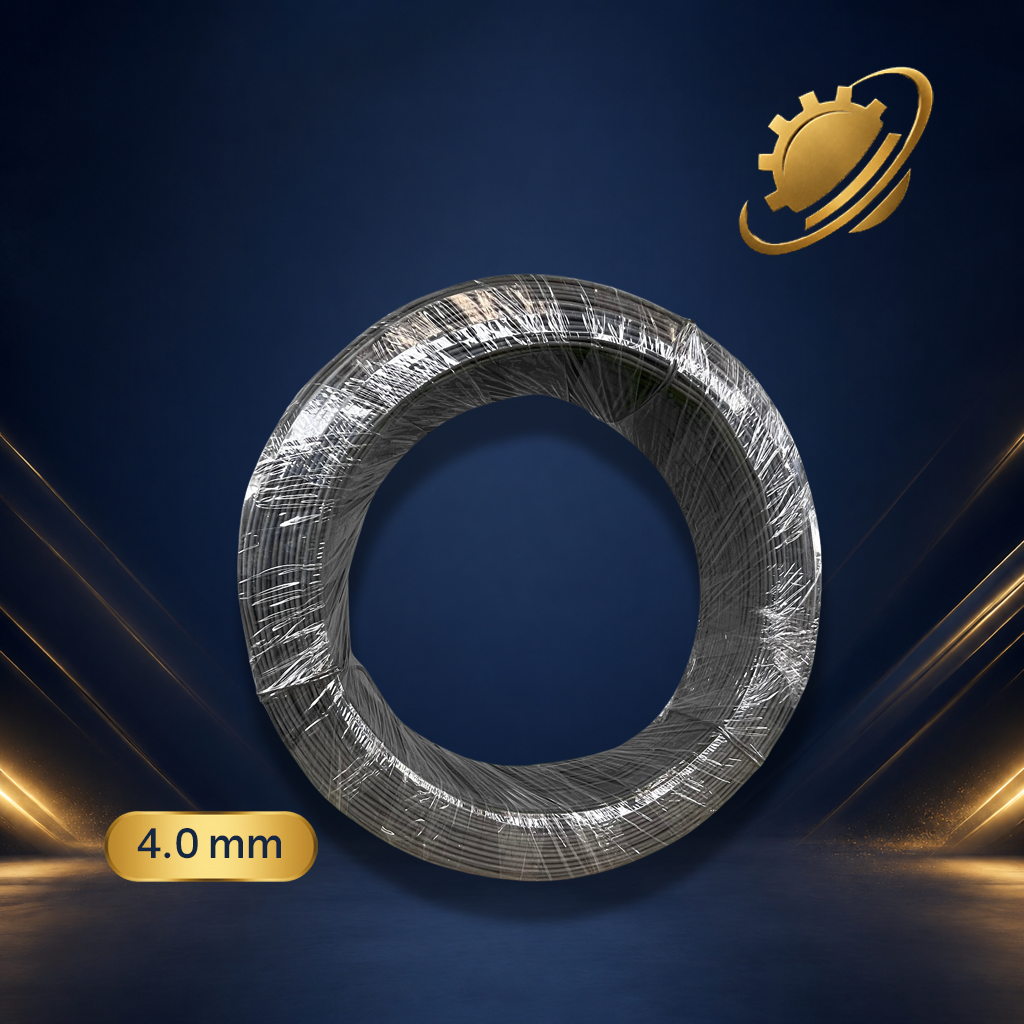
Black annealed wire
Buying Annealed Black Wire: Standard vs. Plate Edge Wire Review
Annealed black wire is one of the most widely used steel products in the construction industry, manufacturing workshops, and packaging units. Due to its softness, flexibility, and high tying capability, it is extensively used, especially in rebar tying and securing metal components. However, when purchasing, many customers face an important question: Is standard wire better or plate edge wire?
On this page, we examine the differences between these two types of products in terms of raw materials, quality, application, and price to make your purchasing decision easier.
What is Annealed Black Wire?
Quick Insight: Annealed black wire is a steel wire that undergoes thermal treatment after the drawing process to become softer, more flexible, and suitable for tying and connection.
In its initial state after drawing, black wire is hard and relatively brittle. To make it usable for tasks such as rebar tying, formwork, or industrial packaging, it is placed in a furnace for annealing. This process reduces the internal stress of the metal and increases its ductility. The end result is a product that is less prone to breakage during use and increases work efficiency.
Types of Annealed Black Wire Based on Raw Material
Quick Insight: The most significant difference between types of annealed black wire lies in their raw materials; Fabric wire is produced from standard wire rod, while plate edge wire is made from cutting and drawing the edges of steel plates.
Fabric wire is produced from standard wire rods or high-quality coil rebar. This ensures that the diameter, softness, uniformity, and performance of the product remain consistent and reliable throughout the coil.
Features:
- Better uniformity in diameter and texture
- Consistent softness throughout the coil
- Reduced risk of breakage during tying
- Suitable for rebar tying and sensitive projects
- The preferred choice for engineering and project-based purchases
Suggested Reading: View Fabric Black Wire Specifications
This type of wire is produced from steel plate edges and is generally considered a more economical option in the market. For applications with lower engineering sensitivity or where the final price is the main priority, this product can be a suitable choice.
Features:
- More economical price
- Suitable for some general and workshop uses
- Applicable in packaging and temporary projects
- Possibility of slight fluctuations in uniformity compared to the standard type
Suggested Reading: Review Plate Edge Black Wire
Comparison Table: Fabric vs. Plate Edge Wire
| Feature |
Fabric (Standard) |
Plate Edge Wire |
| Raw Material |
Standard Wire Rod |
Steel Plate Edges |
| Diameter Uniformity |
High |
Medium |
| Softness & Flexibility |
More Uniform |
More Variable |
| Tying Quality |
Superior |
Acceptable for General Use |
| Main Application |
Rebar Tying, Engineering Projects |
Packaging, Workshops, Economical Uses |
| Price |
Higher |
More Economical |
Applications of Annealed Black Wire
Quick Insight: Annealed black wire is mostly used in projects requiring connection, tying, securing, or stabilizing metal parts.
1) Rebar Tying (Armature)
The most common use of this product is tying rebars in concrete structures. The appropriate softness of the wire allows tying operations to be performed faster and with less fatigue.
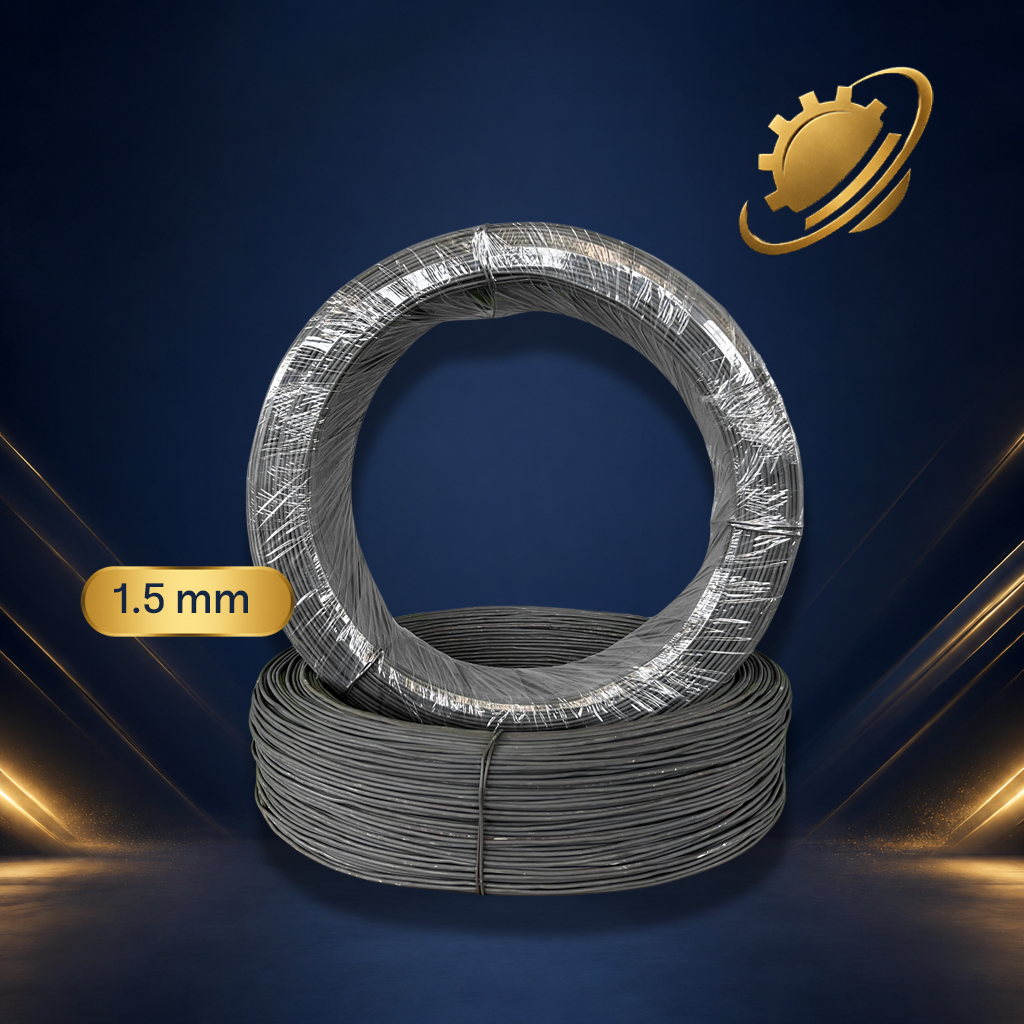
1.5 mm wire for rebar tying.
2) Formwork
In some construction projects, wire is used to secure and stabilize parts of the formwork.
3) Industrial Packaging
For tying bales, securing certain loads, or industrial packaging, economical black wire can be utilized.
4) General Workshop Uses
In workshops and production units, black wire is used for temporary connections, securing components, and packaging.
Common Sizes of Annealed Black Wire
Quick Insight: Choosing the right size of black wire depends on the type of use, the amount of pressure applied, and the method of application.
The most common sizes in the market are:
- 1.2 mm
- 1.5 mm
- 2 mm
- 2.5 mm
General Size Applications
- 1.2 to 1.5 mm: Suitable for rebar tying and knotting
- 2 to 2.5 mm: Suitable for formwork, packaging, and general industrial uses
Factors Affecting the Quality of Annealed Black Wire
Quick Insight: The quality of this product depends on the raw material, precision in the drawing process, control of the annealing operation, and production uniformity.
Key quality factors:
- Quality of wire rod or raw material
- Precise furnace temperature control
- Duration of thermal treatment
- Uniformity of drawing
- Correct packaging and storage of the coil
If the annealing process is not done correctly, the wire may be dry, brittle, or fragile during use. On the other hand, using appropriate raw materials and controlling the production process ensures the final product is more reliable for executive projects.
Choosing Between Fabric and Plate Edge Wire
If your project involves high technical sensitivity, engineering supervision, high consumption volume, or a need for greater uniformity, Standard Wire is the safer choice.
If your priority is cost reduction and you need the product for general tasks, packaging, or less sensitive uses, Plate Edge Wire can be a more economical option.
Quick Choice:
- For Engineering Projects & Heavy Rebar Tying: Fabric Wire
- For General & Economical Use: Plate Edge Wire
Important Tips When Buying Black Wire
For a secure purchase, check these items:
- Type of raw material
- Diameter uniformity and coil quality
- Actual softness and flexibility
- Appropriate size for the application
- Coil weight
- Bulk supply capability and quality repeatability
- Consultation before placing an order
Price Inquiry for Annealed Black Wire
The price of annealed black wire depends on several factors, including:
- Product Type: Fabric vs. Plate Edge
- Wire Size
- Order Weight
- Raw Material Quality
- Current Steel Market Conditions
To receive the daily price of black wire and bulk purchase advice, contact the sales department or submit your inquiry.
Frequently Asked Questions
What is the difference between Fabric and Plate Edge wire?
The main difference is in the raw material and quality uniformity. Fabric wire is made from standard wire rods and usually has more stable quality, while plate edge wire is more economical and suitable for general uses.
Which size is best for rebar tying?
In most projects, the 1.5 mm size is the most widely used for rebar tying.
Why does some wire break during tying?
This is usually due to poor raw material quality, improper drawing, or non-standard annealing operations.
What is annealed black wire suitable for?
For rebar tying, formwork, industrial packaging, and general workshop applications.