
Sort by
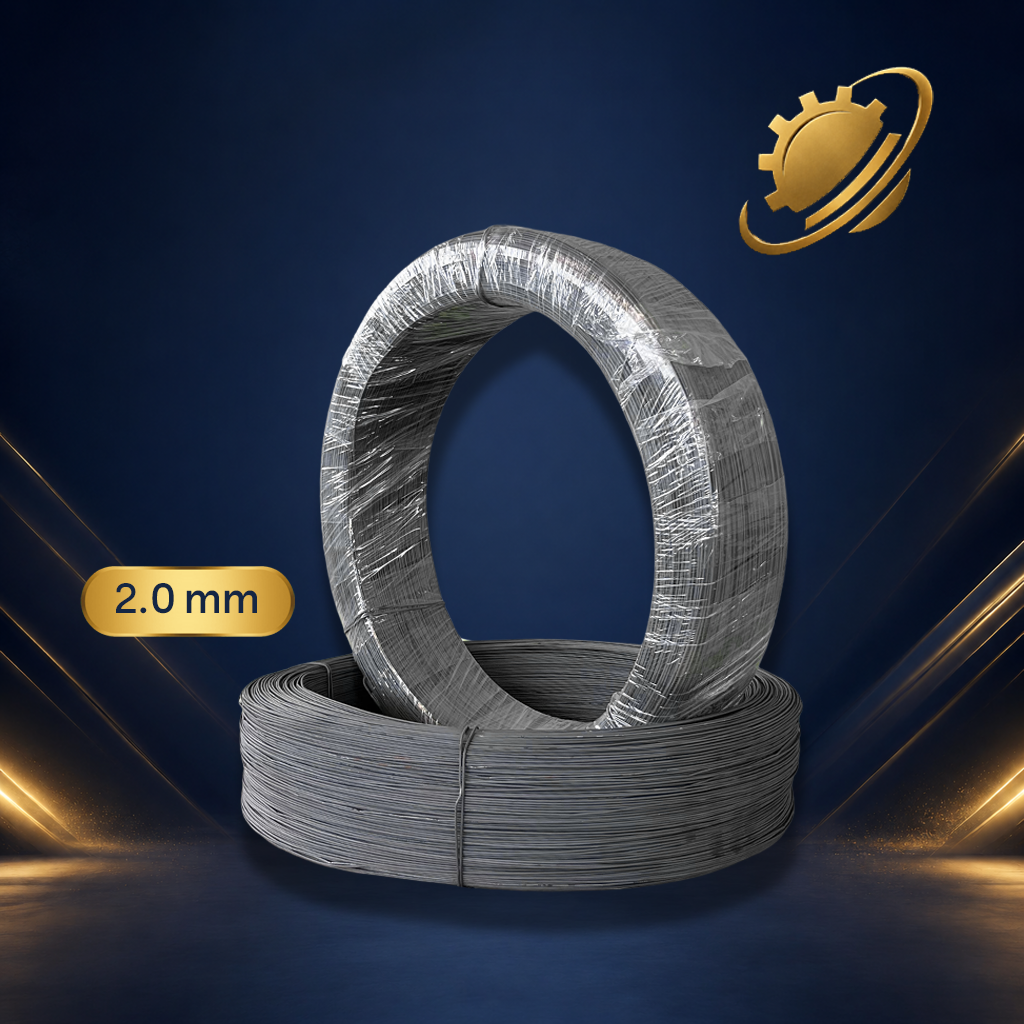
Key Takeaway: 1.5mm export-grade black annealed wire, relying on premium factory-grade raw materials, is an engineered solution for construction and concrete formwork projects. Wit View details
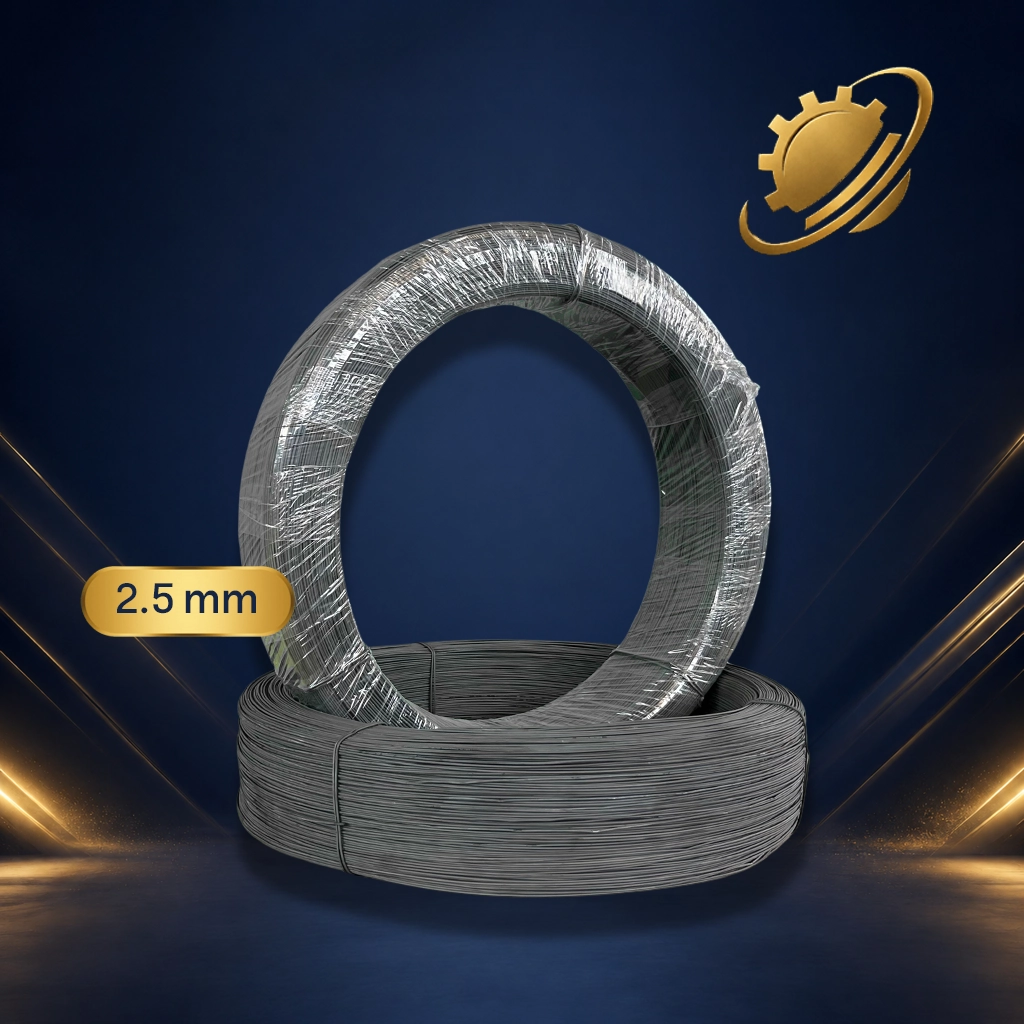
Key Takeaway: Zarrin Navard Spadana's 2.5mm black annealed wire is produced using factory-grade steel raw materials. By providing maximum tensile strength and flexibility, it i View details
Rebar tying is the backbone of concreting, and the wire used for this task must be capable of supporting the weight of the rebars until the concrete is poured. Standard black annealed wire for rebar tying is a product engineered precisely to meet the real-world needs of construction sites. Understanding this product helps you make purchase decisions with greater confidence.
Quick Take: This wire is produced by drawing industrial steel rods (factory-made) and firing them in annealing furnaces to provide the best quality for the contractor.
Unlike models produced from sheet edges or scrap, standard wire has a uniform chemical composition. This wire reaches the target diameter after cold drawing and is then annealed in specialized furnaces to soften its molecular structure. The result is a wire that is neither too brittle to snap nor of such low quality that it breaks in the worker’s hands.
Quick Take: Features such as uniform softness, excellent knotting ability, and tear resistance make this wire the top choice for professional rebar tiers.
One of the main problems on construction sites is wire with inconsistent colors and qualities. Standard wire maintains uniform softness throughout the entire coil and does not tire the worker’s hands.
The most important advantage of this wire is its appropriate tensile strength. This means the rebar tier can tie a strong knot with a simple twist without worrying about the wire snapping at the last moment.
Consistent quality in factory-made wire ensures you get the same output from every coil. This is crucial for precise project cost planning.
In projects with strict engineering supervision, using quality materials is a requirement. This wire is fully compliant with common construction industry standards.
Quick Take: This wire is used in all stages of rebar tying for concrete structures, foundations, columns, and beams to ensure the stability of the rebars.
For connecting main rebars and stirrups, standard wire is the best option, maintaining the connection securely until the concrete is poured.
In high-rise projects or specialized structures, precision in connections is doubly important. Due to its predictable behavior, this wire holds a special place in these projects.
Workshops that value speed and efficiency well know that buying cheap, low-quality wire ultimately increases labor costs.
Quick Take: The main difference lies in the raw material (steel rods vs. scrap), which leads to a clear difference in softness, workability, and waste rates.
Standard wire is produced from rebar, which is a new and controlled raw material, while sheet-edge wire is made from steel sheet scrap with unknown compositions.
Sheet-edge wires often have brittle and fragile sections that cause trouble for rebar tiers. In standard wire, the annealing process is performed correctly, creating uniform softness.
Using standard wire minimizes wire breakage during work. This means less waste and higher execution speed; something that ultimately reduces your project’s total cost.
Quick Take: For smart purchasing, focus on choosing the right size and always buy from reputable suppliers who guarantee product quality.
The 1.5 mm size is the most widely used for rebar tying. However, depending on the rebar size and project type, other sizes may also be used.
This wire is recommended for all construction projects, from small to large, as well as for workshops that value quality and speed.
- Always specify that you want “factory-made” or “standard” quality.
Check the packaging quality and the cleanliness of the coil surface.
Check the coil weights to ensure they match the invoice.
Quick Take: The price of this wire is determined based on the daily rate of steel ingots, the cost of conversion to wire, and the coil weight; higher quality is worth the investment.
Wire size directly affects weight and raw material consumption. For high-tonnage purchases, this difference is very noticeable in the final price.
Using grade-one rebar increases production costs compared to scrap but guarantees execution quality.
Daily fluctuations in iron prices on the commodity exchange directly affect wire prices. For a secure purchase, it is recommended to inquire about prices daily.
Quick Take: Buyers usually have questions about how to identify quality, differences from miscellaneous wires, and common sizes.
Yes, due to its guaranteed softness and strength, this wire is the best option for professional projects where speed and precision are paramount.
The difference is in the raw material and the firing process, which makes the standard wire softer, more uniform, and more resistant to breakage.
The 1.5 mm size is recognized as the standard and most widely used size in all construction projects.
Yes, using low-quality wire causes the worker to spend a lot of time re-tying or causes the wire to break, and ultimately, the labor cost is much higher than the savings from buying cheap wire.
Black wire is suitable for indoor environments and warehouse storage. If you intend to use it in very humid and long-term environments, you must use galvanized wire.
Factory-made wire has a smooth and uniform surface, does not smell like burnt scrap, and has a constant diameter throughout the length of the coil.
Yes, for civil projects and valued wholesalers, there are special conditions for high-tonnage purchases and direct shipping.
The difference is very significant; a professional rebar tier notices the softness and desired quality of standard wire immediately after the first knot.
All material and intellectual property rights reserved by Zarin Navard Espadana Company.
Designed by Nemovweb Website Design and Digital Marketing Agency.