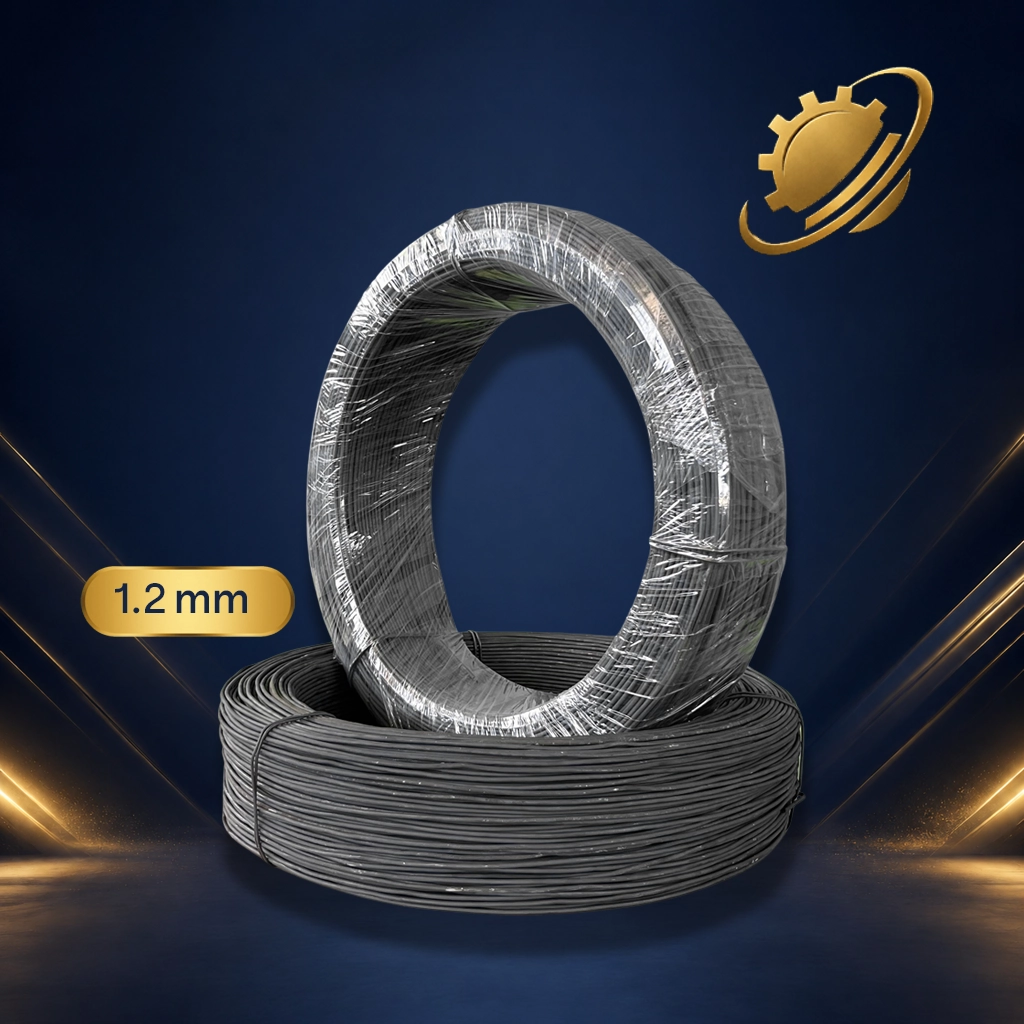
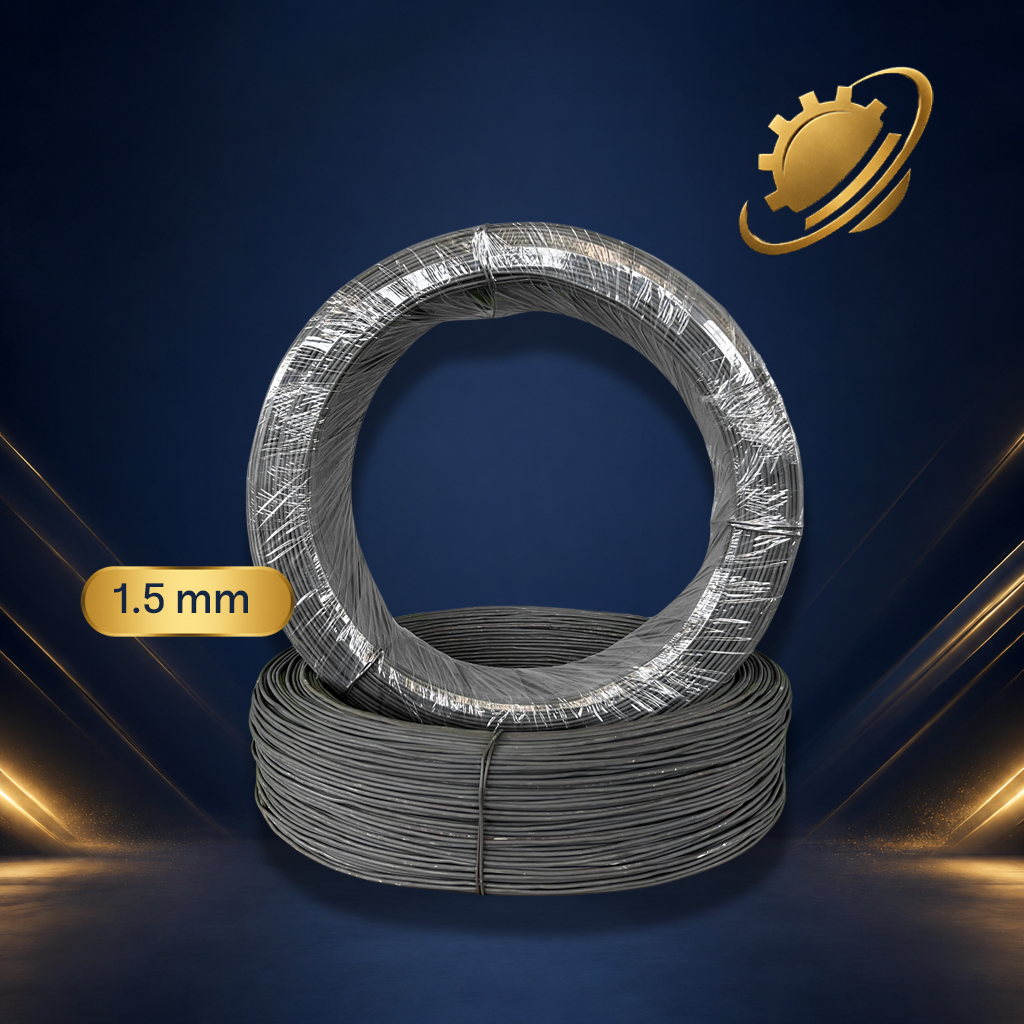
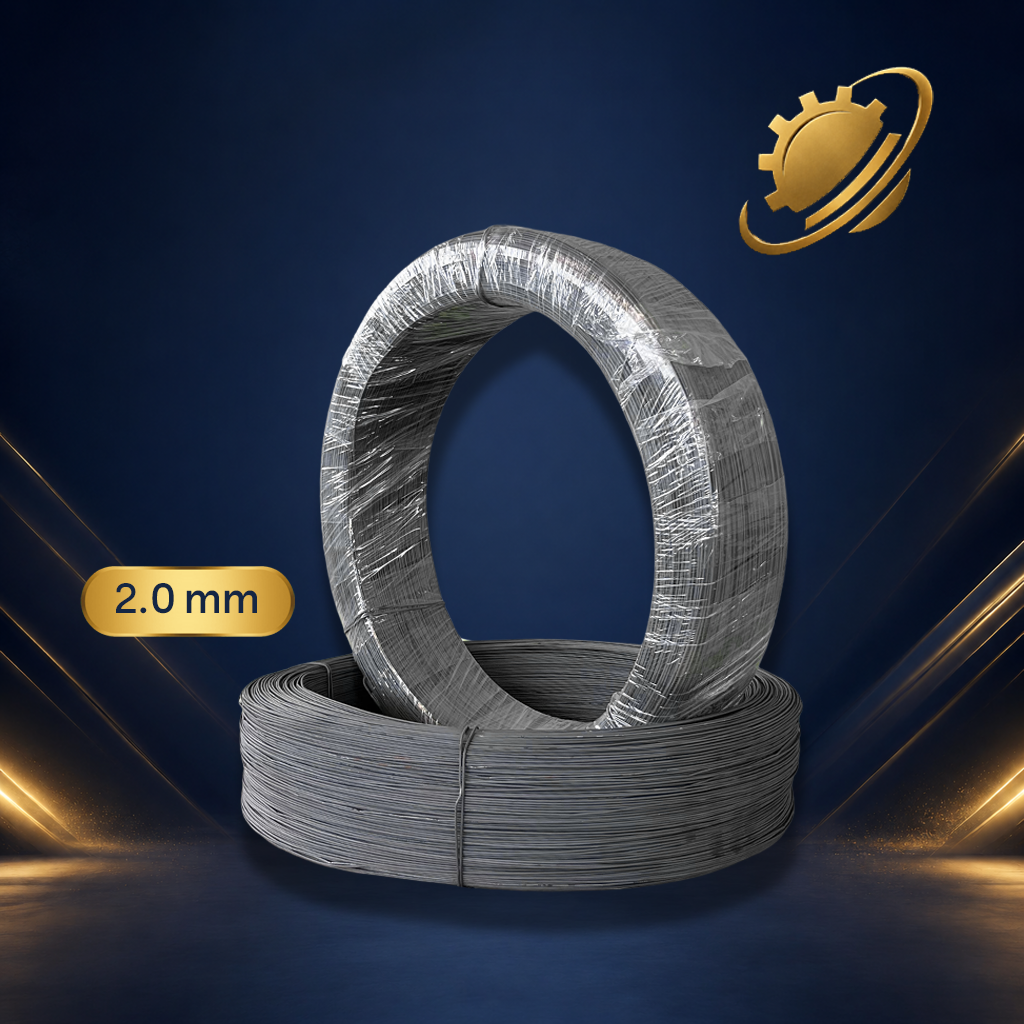
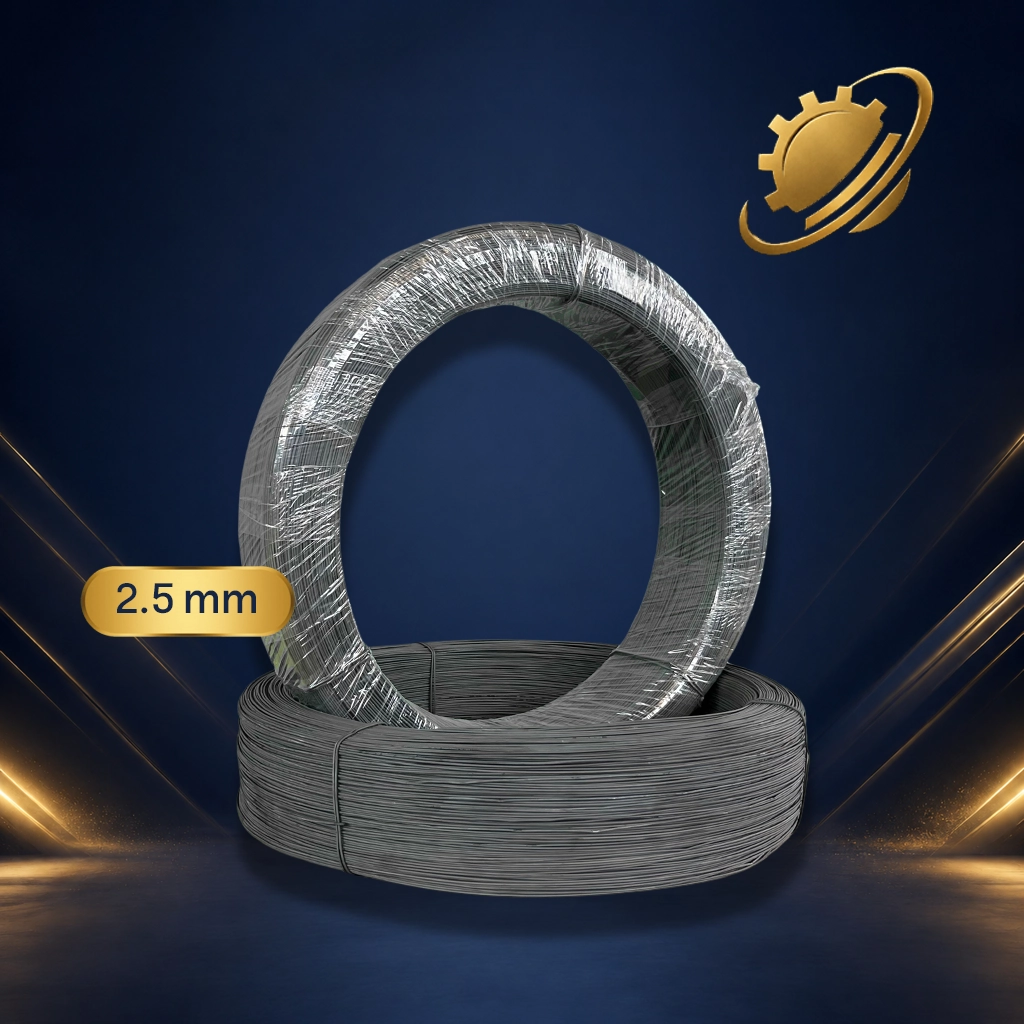
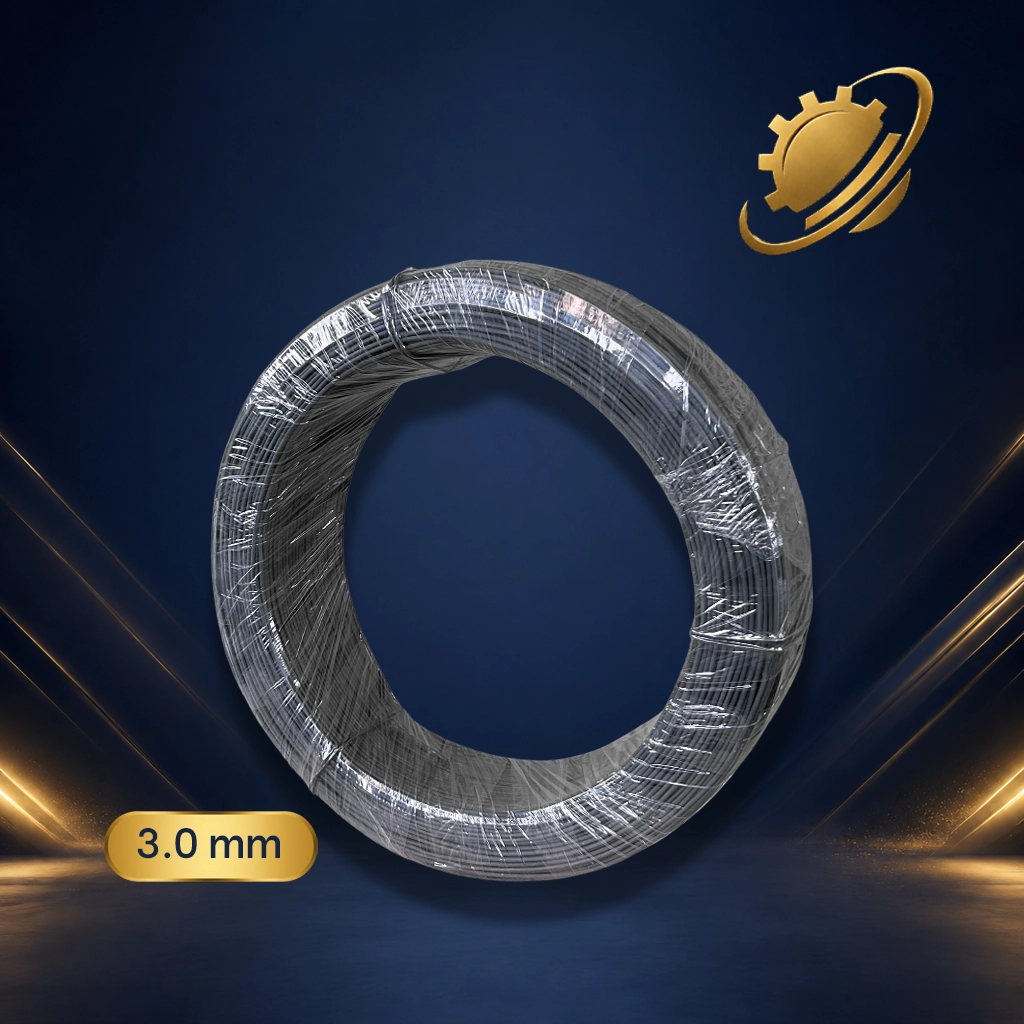
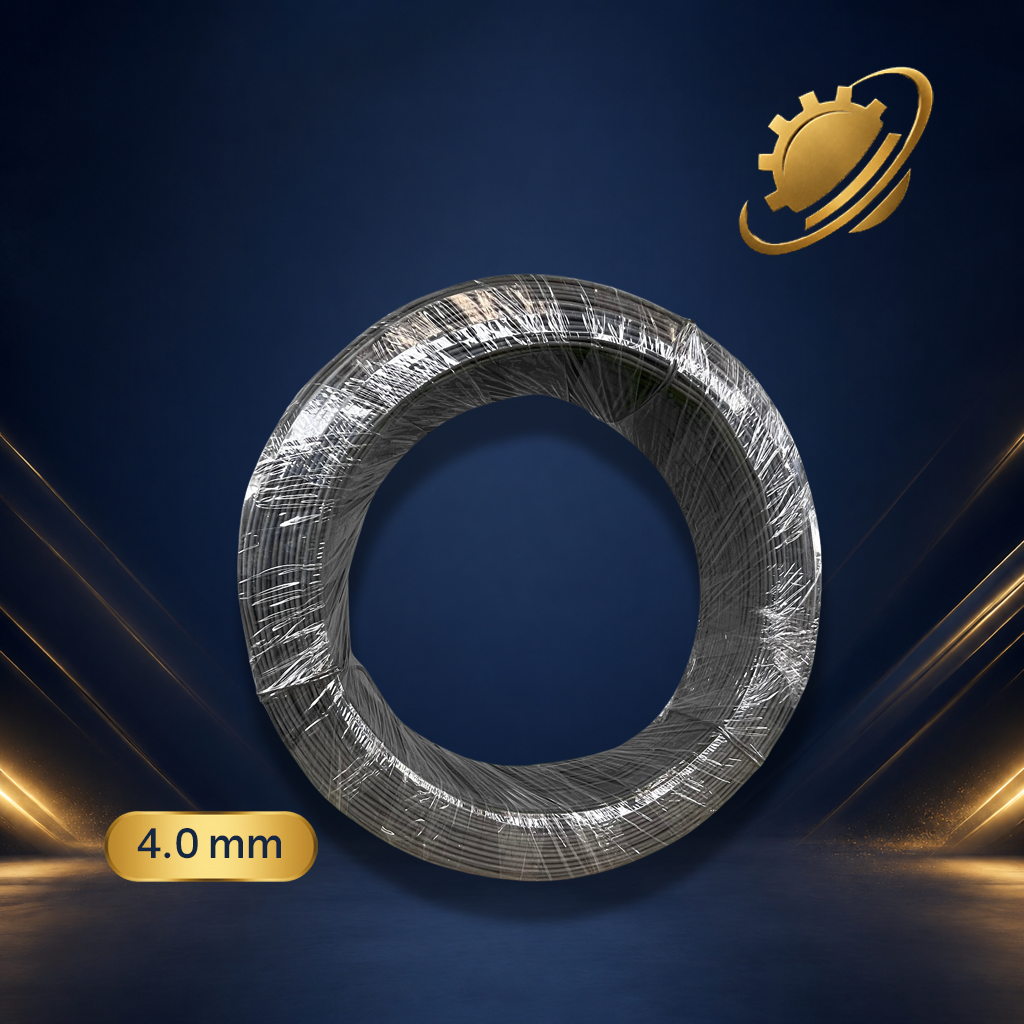
Standard Black Annealed Wire
Buying Standard Black Wire with the Best Quality
Finding a reliable supplier for standard black wire might seem simple at first glance, but when quality, execution speed, and the health of machines are at stake, the importance of buying a standard product becomes clear. Fabric wire, produced with the correct annealing process, assures you that you are dealing with a uniform and flawless product in every coil. We are here to make your purchasing process short and reliable.
What is buying standard black wire?
Quick Take: Standard black wire is a product produced from the drawing of industrial steel rebar and baked in annealing furnaces to reach the desired softness.
This wire, also known in the market as “annealed wire” or “baked wire,” is produced with the aim of removing the hardness of steel. When the wire is soft enough, it performs best for both tying rebar in reinforcement and for weaving mesh. Standard wire is the product that, after being wrapped around a form or rebar, is easily shaped and does not break.
Difference between standard black wire and non-standard wire
Quick Take: The main difference is in the raw material; standard wire is produced from new rebar, but non-standard wire is usually made from sheet scrap, which has low quality.
-
Raw Material: Standard wire is produced from high-quality steel ingots and rebar, while non-standard or “plate-edge” wire is cut from steel sheet scraps that have many impurities.
-
Diameter Uniformity: In fabric wire, the wire diameter is the same throughout the coil; but in non-standard products, the wire diameter fluctuates, which causes disruption in automatic machines.
-
Flexibility: Standard wire is uniformly annealed and is soft until the last meter of the coil, but non-standard wire may be soft in one part and hard and brittle in another.
Applications of standard black wire in industry and construction
Quick Take: This product is used in rebar tying, formwork, mesh weaving, and fencing, industrial packaging, and anywhere that requires a flexible and strong connection.
-
Rebar Tying: Tying rebar in foundations, columns, and building beams.
-
Industrial Production: Use in the wire weaving industry (chicken wire, chain-link fence) and production of various coated wires.
-
Packaging: For tying heavy bales in various industries that need strong wire.
Price of standard black wire and factors affecting it
Quick Take: The price of this product is subject to the daily rate of steel ingots, conversion costs (drawing and annealing), and iron market fluctuations.
Inquiring about the daily price of standard black wire
Since the iron market has daily changes, we suggest you contact our sales experts to get the exact price and compare tonnages. We offer you the best price for direct purchase from the factory.
Reviewing common sizes and thicknesses
Commonly used sizes include 1.5 mm (rebar tying), 2 and 2.5 mm (industrial and mesh). The price of each size is calculated based on the coil weight.
Technical specifications of standard black wire
Quick Take: Key features include suitable tensile strength, standard carbon percentage, and high flexibility controlled in annealing furnaces.
Effect of raw material quality on durability and flexibility
The quality of the base rebar determines how much the wire resists tensile pressure. Standard fabric wire, without cracking, has the highest knot-ability.
Packaging, coil weight, and shipping method
Our products are supplied in standard coils (usually 25 to 50 kg), which makes their transport very easy for workers and warehousing. Shipping to all parts of the country is done through reputable freight companies.
Advantages of using black wire with standard raw materials
Quick Take: Reducing waste, increasing work speed, and eliminating unnecessary machine downtime are the most important economic advantages of using standard wire.
-
Reducing Work Waste: Because the wire does not break, your waste amount is minimized.
-
Increasing Productivity: Your rebar worker or machine continues to work without stopping.
-
Output Quality: Your final structure or product follows engineering standards due to principled connections.
Guide for choosing and ordering standard black wire
Quick Take: When ordering, specify the type of application (industrial or construction) and the exact size so that our consultants can suggest the best option.
Important tips when buying standard black wire
-
Be sure to ask the seller if the wire is “fabric” or not.
-
Pay attention to the cleanliness of the wire surface (standard wire should not be flaky).
-
For bulk purchases, be sure to request a sample coil to test the knot-ability quality.
Applications of black wire in rebar tying and industrial production
If you are a contractor, standard 1.5 mm wire increases your team’s work speed in tying rebar. If you are a mesh manufacturer, fabric wire saves your machine from depreciation.
Frequently Asked Questions FAQ
1. What is the main difference between fabric wire and plate-edge wire?
Fabric wire is drawn and annealed from new rebar in a scientific process, while plate-edge wire is made from sheet scrap and has unstable quality.
2. Which size is more suitable for rebar tying?
1.5 mm black wire is the most popular and widely used size for rebar tying.
3. Does standard wire rust later?
Due to the high purity of the steel and the clean annealing process, fabric wires perform better, although black wire inherently needs care against constant moisture.
4. Is it possible to buy in person or visit the quality of the coils?
Yes, for our dear customers, it is possible to visit and check the quality of the coils before purchase.
5. Why do the prices of wires in the market differ?
The price difference is mainly due to the type of raw material (rebar vs. scrap) and the quality of the annealing process. Standard wire has a different price due to its higher quality.