Sort by
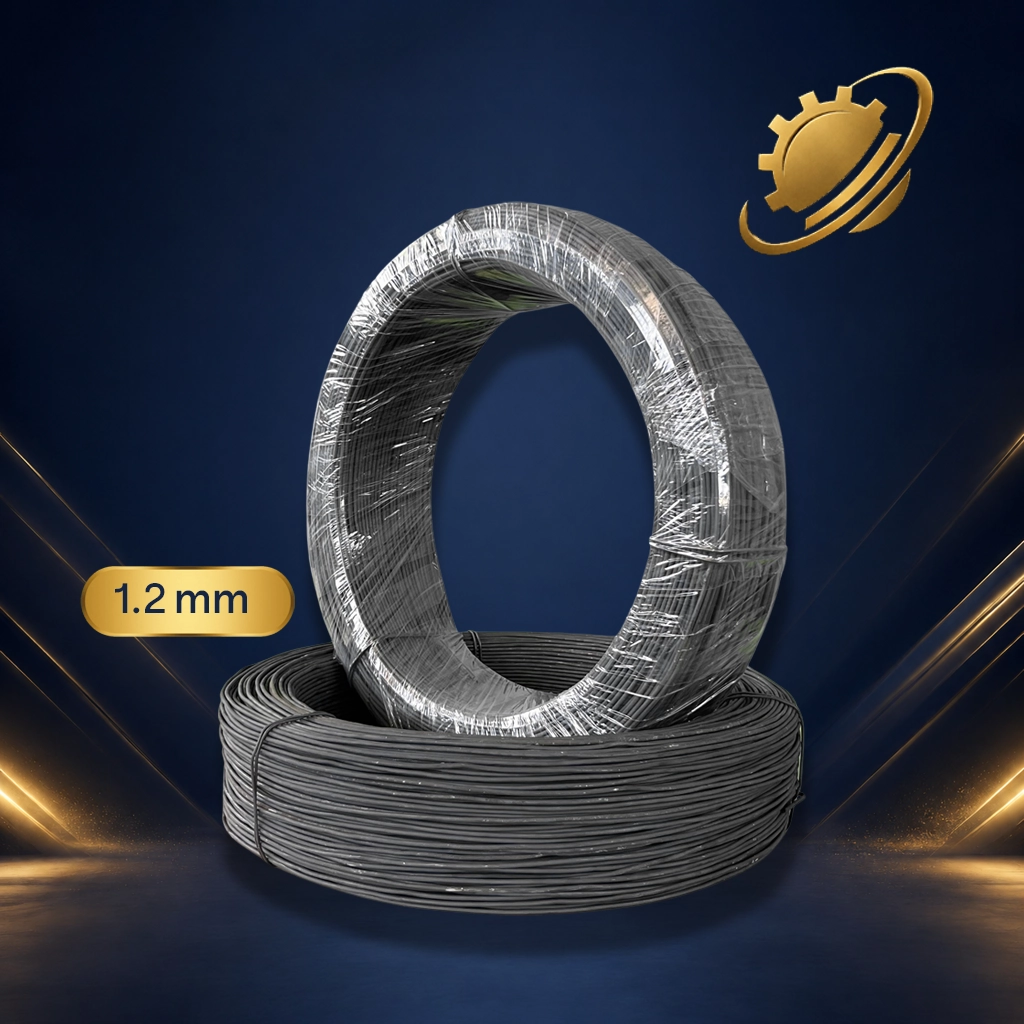
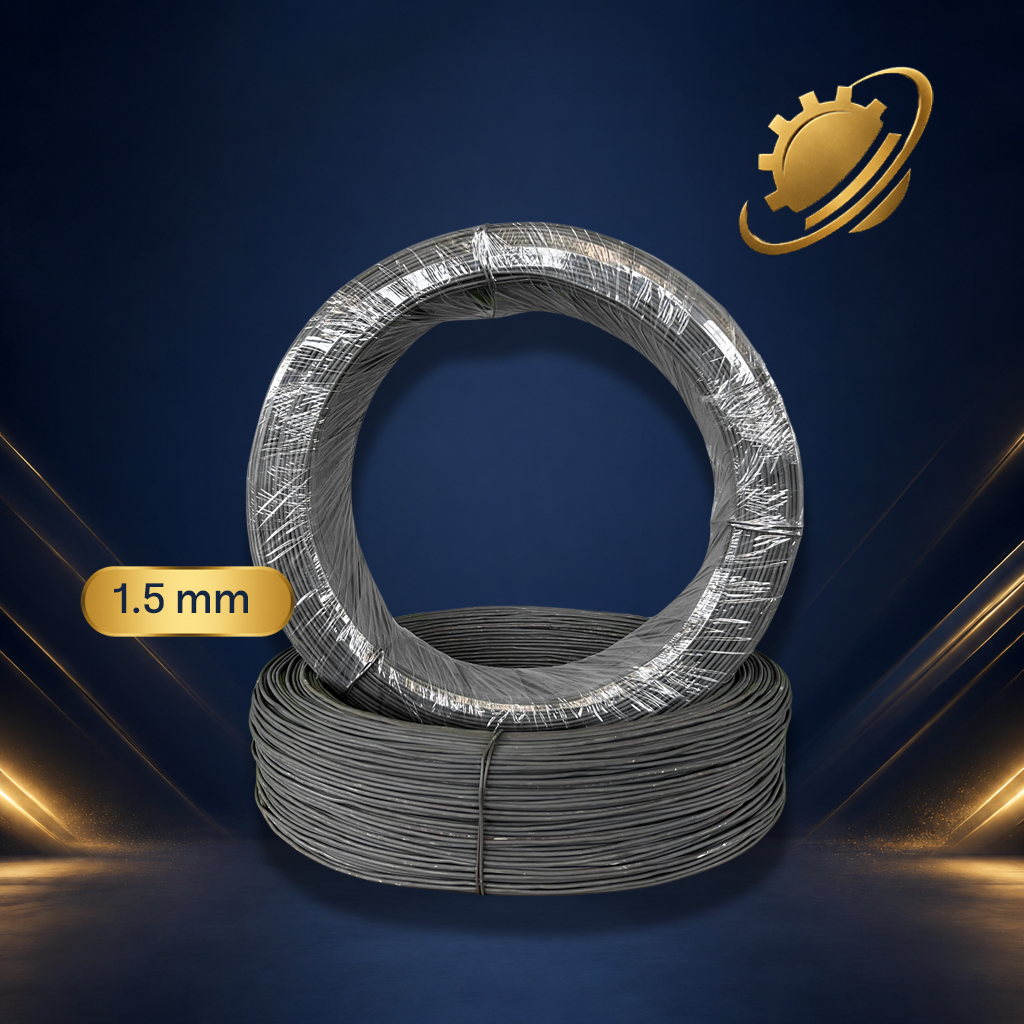
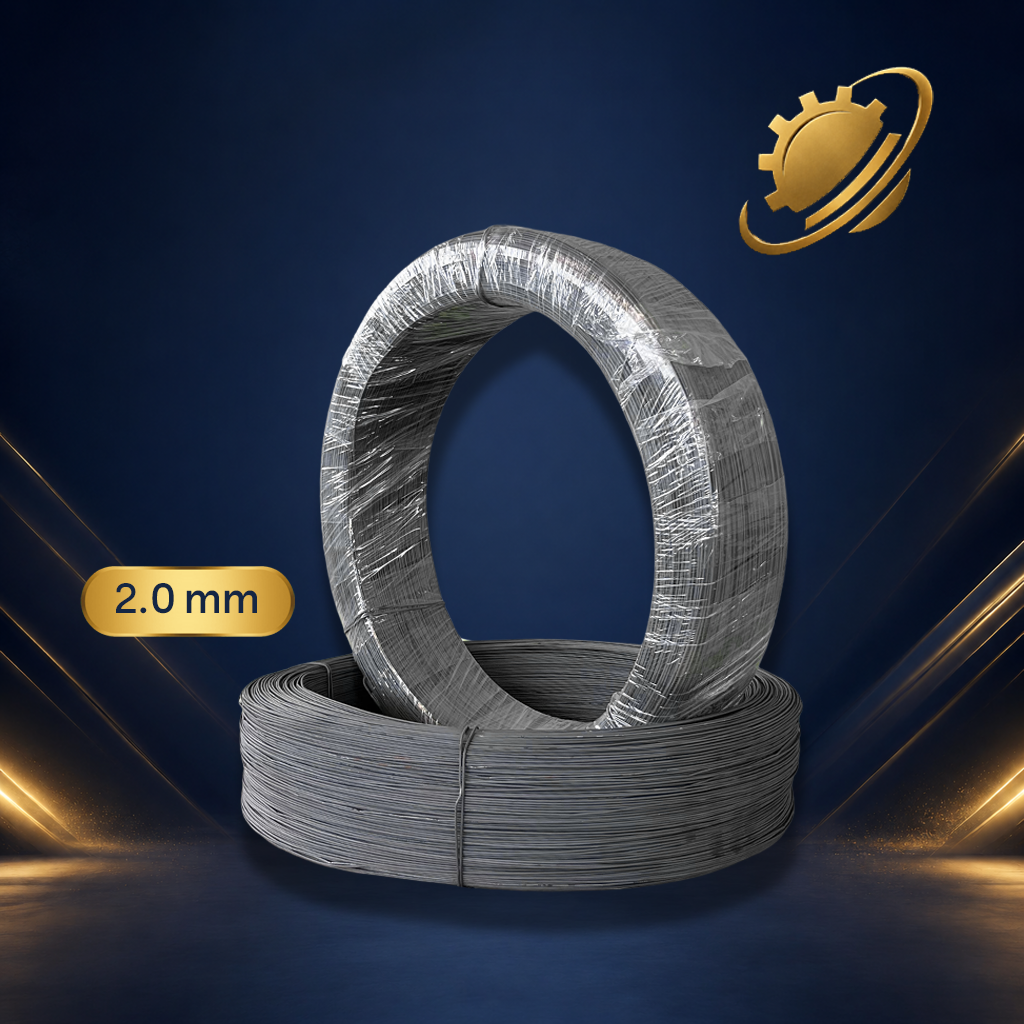
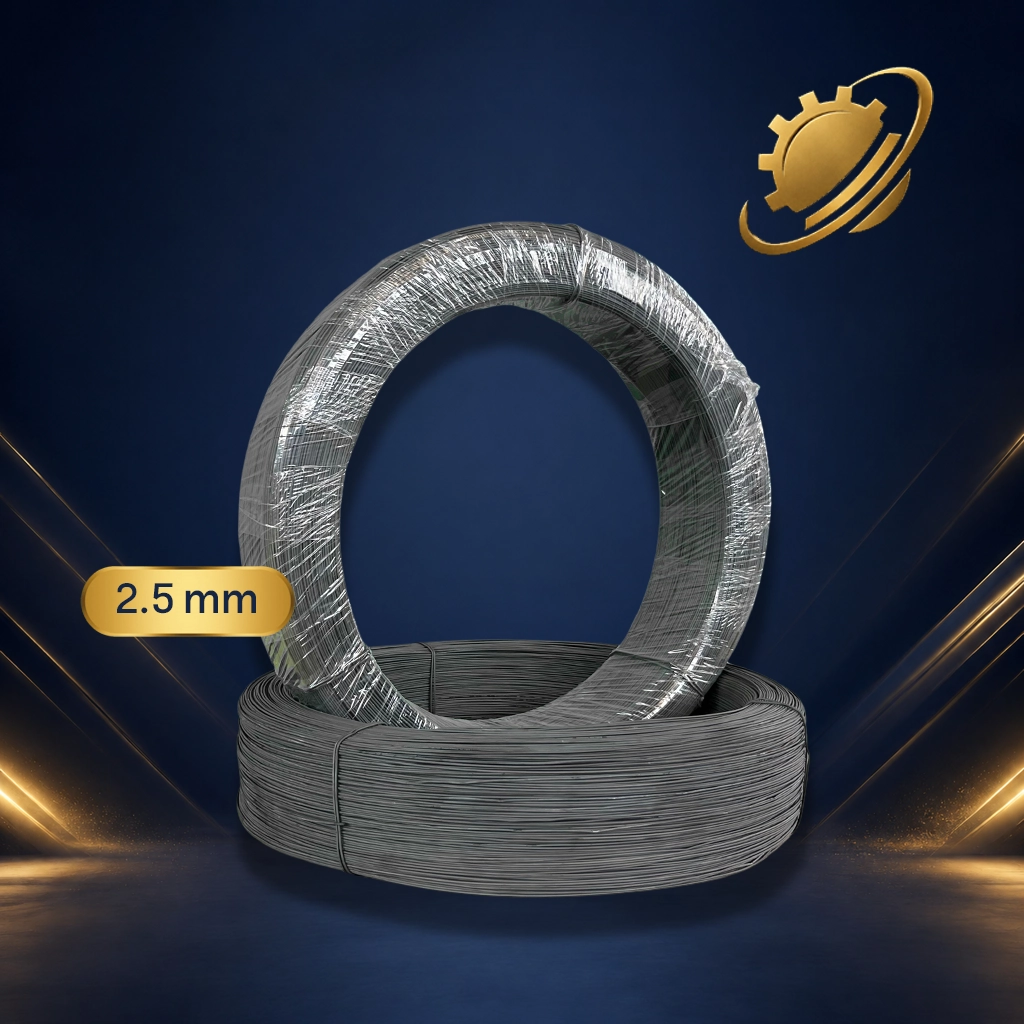
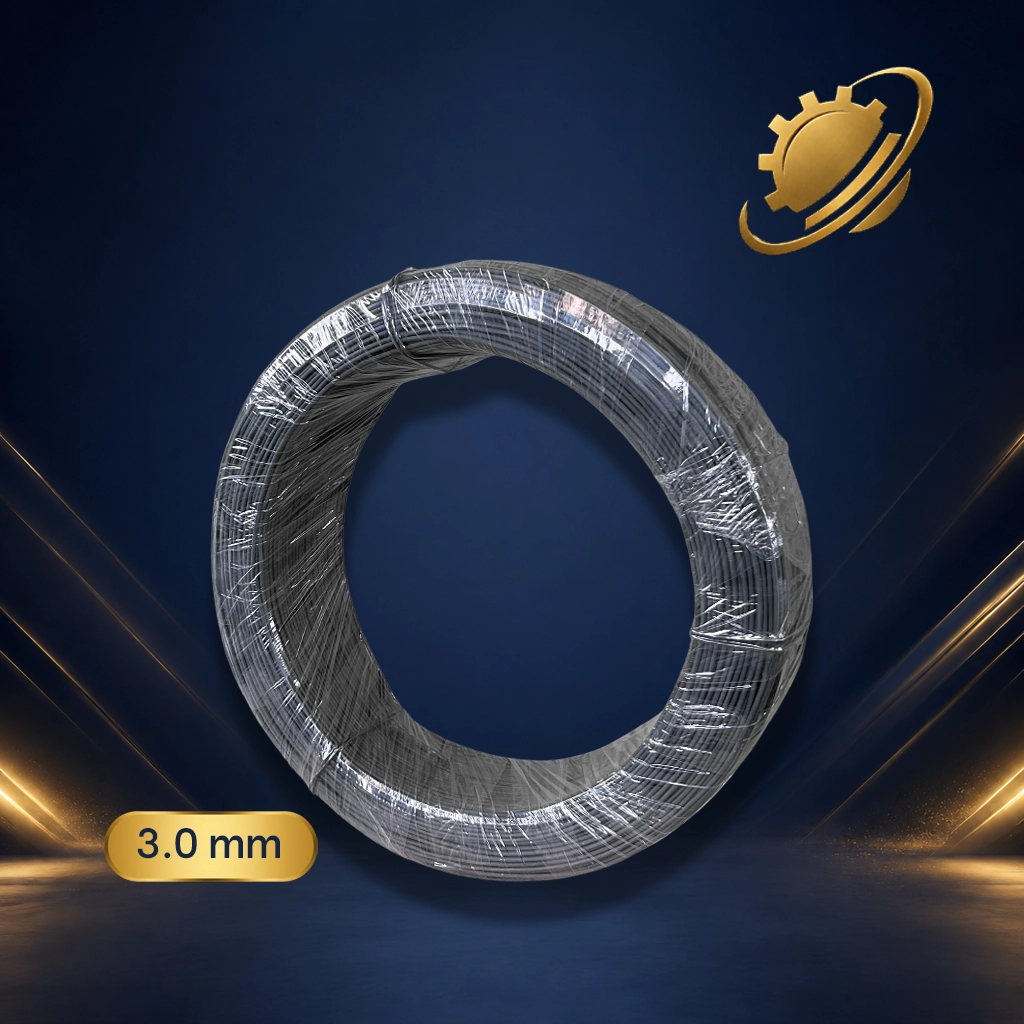
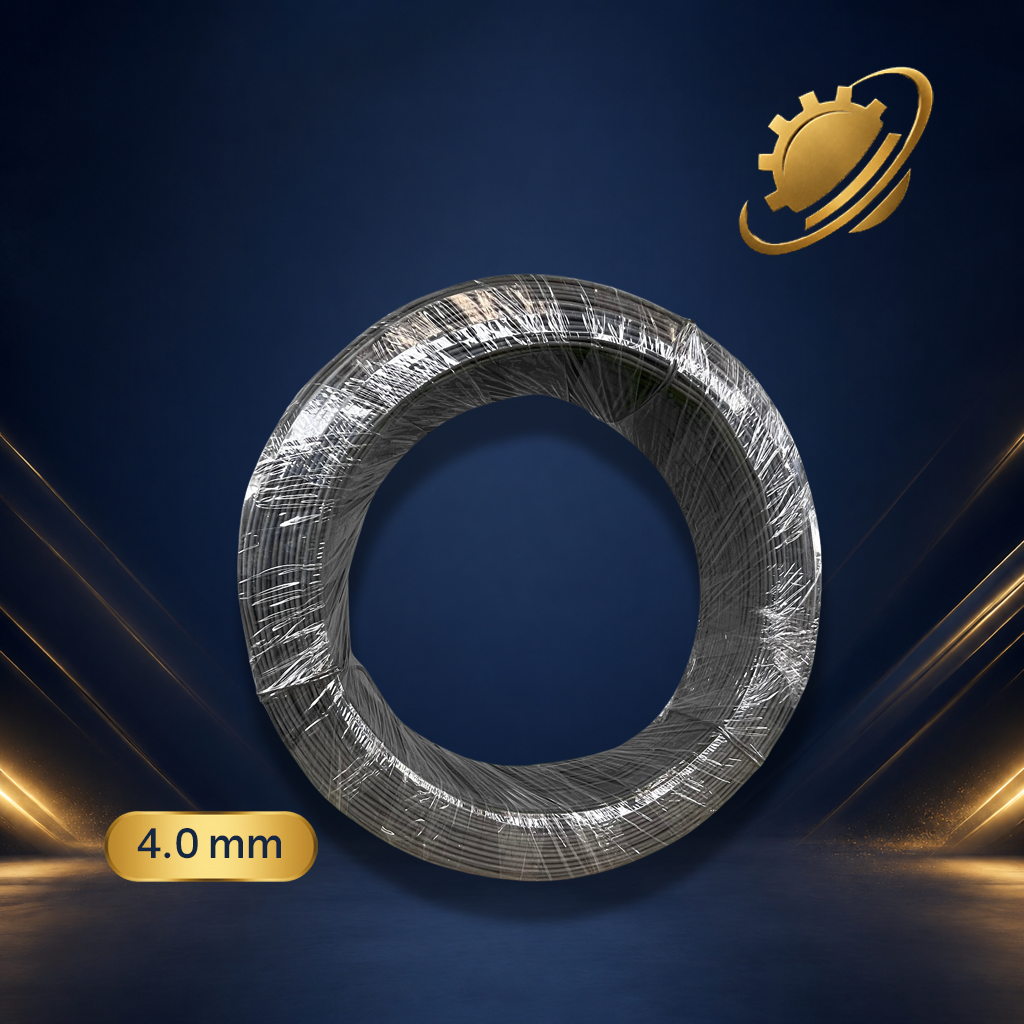
In construction projects, selecting the appropriate wire for formwork is of great importance; as this product must both have the strength to secure the formwork and not complicate the task for execution teams during tying. Black edge-strip wire, used alongside formwork sheets as an economic option, is utilized in many general projects and can create a suitable balance between price and performance.
Quick Take: Black edge-strip wire for formwork is produced by wire drawing of steel sheet trimmings and performing an annealing process, and is used for securing formwork and temporary connections in general projects.
This product is prepared from the side sections of steel sheets; parts that, after sheet cutting, are capable of entering the wire drawing process. Subsequently, the produced wire enters a furnace to achieve appropriate softness through an annealing process. The result of this process is a wire that has more flexibility compared to the initial hard wire and becomes usable for formwork.
From a commercial perspective, this product falls into the category of non-standard (re-rolled) wires and therefore usually has a more reasonable price than standard wires. For many contractors, this feature makes it their preferred choice for general, daily projects.
The raw material for this product is supplied from steel sheet trimmings. These trimmings, after preparation, undergo several stages of wire drawing to reach the thickness required for formwork.
If this wire is used without annealing, it will be hard and brittle. The annealing process makes the wire easier to bend, hold connections better, and perform more smoothly during work.
Quick Take: The most important features of this product include suitable strength, economic price, acceptable flexibility, and good efficiency in general construction projects.
One of the most important expectations from formwork wire is keeping the formwork in the correct position. This type of wire, if produced properly, has enough strength to secure common formwork in general projects.
In projects where consumption volume is high, price plays a major role in purchasing decisions. Black edge-strip wire for formwork, due to its different raw material, usually has a lower finished cost and is an attractive option for bulk purchase.
Formwork workers need to tie wire quickly and easily. This product achieves acceptable flexibility after the annealing process, making it suitable for temporary connections.
For many construction projects where the sensitivity level is moderate, this wire can well meet execution needs and also impose less financial pressure on the project.
Quick Take: This product is mostly used for securing concrete formwork, stabilizing temporary components, and use in general construction and civil engineering projects.
The main application of this type of wire is tying and securing concrete formwork during execution. In this application, the product must have both suitable tensile strength and be easily tied.
In many workshops, there is a need for quick and temporary connection of some parts. This wire is a good choice for such tasks due to its reasonable price and high availability.
From small construction projects to some general civil activities, this product is known as a practical consumable tool and helps reduce execution costs.
Quick Take: The main difference between these two products lies in the quality of raw material, coil uniformity, and final price; edge-strip is more economic, and the standard model has more uniform performance.
Standard formwork wire is usually produced from more uniform and controlled raw materials, while edge-strip wire is obtained from the edges of steel sheets.
In the standard model, the uniformity of diameter, softness, and durability is usually better. In contrast, edge-strip wire may have more fluctuations in some coils.
If your main priority is reducing purchasing costs, black edge-strip wire for formwork is usually a more economic choice. But if the project is more sensitive, paying more for the standard model may be more logical.
Quick Take: For the right purchase, you must simultaneously examine the required thickness, type of formwork, and the actual quality of the coil, not just the price per kilogram.
Appropriate thickness depends on the type of formwork, the pressure applied, and the method of execution. Usually, middle sizes are more used in the market for general formwork because they have both sufficient strength and are easier to tie.
This product is more suitable for general formwork, daily construction projects, and cases where purchase costs must be controlled. For heavy or very sensitive formwork, it is better to check the exact project specifications.
When buying, pay attention to these points:
- Uniformity of thickness along the coil
- Softness and quality of annealing
- Actual weight of the coil
- Type of packaging and cargo integrity
- Suitability of the product with the type of project
Quick Take: The price of this product changes under the influence of thickness, coil weight, type of packaging, and daily conditions of the steel market.
The thicker the wire, the higher the weight and consumption of raw material, and the final price changes accordingly. Size selection should be based on the actual needs of the project.
The weight of each coil and the type of packaging affect transportation, warehousing, and the finished price. For wholesale buyers, this section is of particular importance.
Fluctuations in the steel market, steel sheet rates, energy costs, and transportation can all shift the daily price of black edge-strip formwork wire.
Quick Take: The most important questions buyers have are about the suitability of this product for securing formwork, its difference with the standard model, and the high-demand sizes in the market.
Yes, for many general construction projects and common formwork, this product is a suitable and economic option; of course, it must be selected according to the type of project.
The main difference lies in the raw material, uniformity level, softness quality, and final price. The standard model is usually more uniform and expensive, and the edge-strip model is considered more economic.
Middle sizes usually have the highest consumption in formwork because they are both easy to tie and offer suitable strength. Accurate selection should be made based on the type of formwork and execution conditions.
This product is mostly used in general construction projects, concrete formwork securing, stabilizing temporary components, and workshops where reasonable price is very important for them.
Yes, if its production and annealing quality are suitable, it is completely practical and cost-effective for daily consumption in many construction workshops.
Because its raw material is supplied from steel sheet edges, and its finished cost is usually lower than wire produced with standard raw materials.
Thickness, coil weight, annealing quality, diameter uniformity, packaging integrity, and suitability of the product with the type of formwork are the most important buying points.
It is suitable for general projects, but in sensitive or heavy formwork, it is better to carefully check the technical specifications of the project and, if necessary, use the standard model.
All material and intellectual property rights reserved by Zarin Navard Espadana Company.
Designed by Nemovweb Website Design and Digital Marketing Agency.