
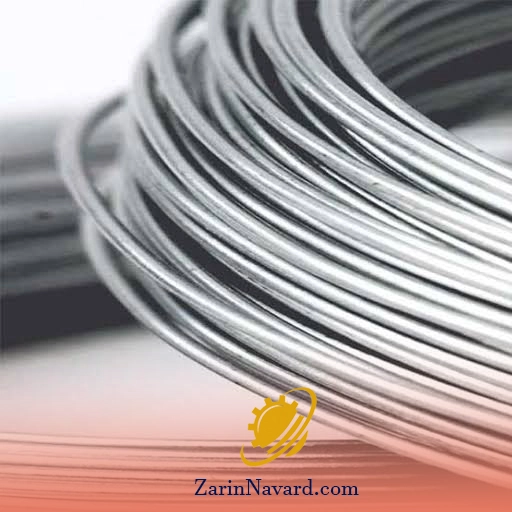
Steel wire is one of the most important steel products in various industries, used in construction, agriculture, packaging, metal parts manufacturing, and many industrial processes. This product is produced in a variety of diameters, coatings, and features, and each type is suitable for specific working conditions.
In this article, our goal is to provide an educational and comprehensive overview of the concept of steel wire; from definition and production process to different types, applications, technical specifications, and common standards. If you want a clear understanding of the position of steel wire in the industry, this guide is a suitable starting point.
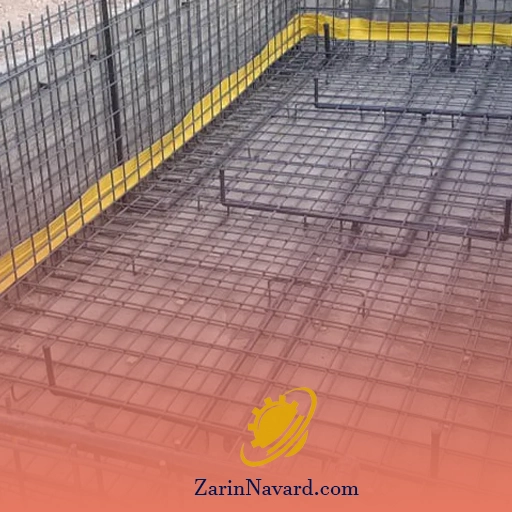
In every construction project, reinforcement work is one of the most important stages before concrete pouring. At this stage, rebars must be accurately positioned next to each other so that the metal framework required for concrete strength can be formed. To keep these rebars fixed in place, a product known as wire for tying rebar, or rebar tie wire, is used. Choosing the right type of this wire has a direct impact on execution speed, reinforcement quality, and even structural safety.
Many contractors and professionals in the construction sector face questions when purchasing rebar tie wire, such as what is the best type of wire for reinforcement work, which size is suitable for the project, and why most rebar workers use black annealed wire. The answers to these questions are not limited to workshop experience alone and also depend on the wire's technical properties, flexibility, steel type, and even its production method.
Rebar tie wire must be soft enough to tie easily and at the same time strong enough to hold rebars in place during concrete pouring. If the wire is too hard, it breaks during tying, and if it is too thin, it cannot provide the required strength. For this reason, understanding the characteristics of a standard rebar tie wire is highly important for contractors, construction material warehouse managers, and even export buyers.
In this comprehensive guide, we practically examine what rebar tie wire is, why it is used in construction projects, which is the best wire for tying rebar, which sizes are common in the market, and what points you should consider when buying. We will also review the factors affecting rebar tie wire prices and its differences from other types of wire so that you can make more accurate and professional decisions for construction projects or market supply.
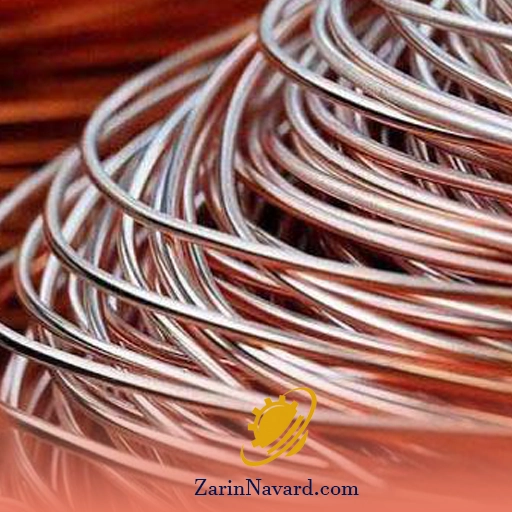
Copper-coated wire is one of the most widely used types of wire in manufacturing industries. Due to its uniform surface, bright appearance, good tensile strength, and optimal performance in industrial processes, it holds a significant position in the raw material supply chain. Many manufacturers of nails, metal parts, screws, and formed products use copper-coated wire as their primary raw material because it improves the final quality of production and ensures smoother performance in production lines.
Key Takeaway: Copper-coated wire is a type of steel wire with a copper surface coating or appearance, primarily used in the production of nails, metal parts, and various industrial applications. Due to its smooth surface, good formability, and uniform appearance, it is a practical choice for many workshops.
In this article, we will examine—in simple yet technical terms—what copper-coated wire is, how it is produced, its technical specifications, available sizes, and the industries it is suitable for. We will also explain its differences from black wire, galvanized wire, and acid-washed wire to help you make a more accurate decision if you are choosing between different types of wire. The goal of this guide is to assist industrial buyers, manufacturing workshops, wholesalers, and wire industry professionals in better understanding this product and its market position.
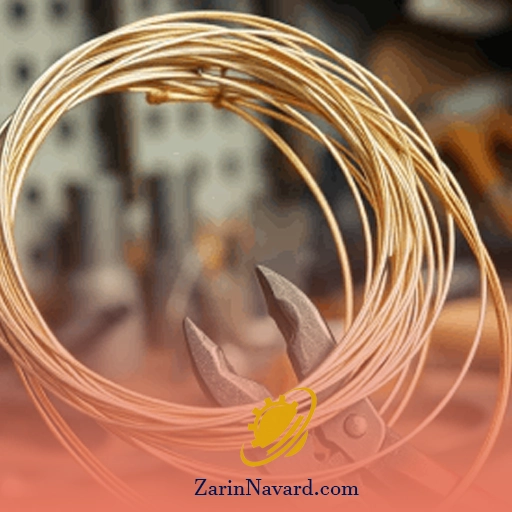
One of the biggest challenges for contractors, rebar workers, and even material suppliers is choosing the precise size and thickness of the wire. Choosing the wrong size can lead to material waste, difficulty in tying rebars, or even reduced structural connection quality. Precise knowledge of wire sizing, especially in popular types like black annealed wire, is key to managing budget and time efficiently in construction projects.
Key Takeaway: Wire sizing starts from very fine diameters (below 1 mm) for delicate industries and continues to thick sizes (over 6 mm); in the Iranian market, black wire with medium sizes (such as 1.5 to 3 mm) is the most popular option for rebar tying due to its flexibility and reasonable price.
In this comprehensive article, we explore the subject of sizing and standards from A to Z. You will learn how to choose the right size based on your project type, understand the technical differences between factory-made and drawn wires, and perform your purchasing calculations very simply and without errors using our precise weight table. Our goal is to transform you from an ordinary buyer into an expert in wire selection.
The world of wire is much wider than it appears on the surface. If you work in the construction industry, you probably deal with black annealed or rebar wire every day, but do you know how much this wire differs in terms of structure and application in the industrial world? A mistake in choosing the type of wire, whether in a large civil project or an industrial production line, can easily lead to wasted costs, rework, and reduced final product quality.
Key Takeaway: The main difference between construction and industrial wires lies in the production process, strength levels, flexibility, and type of coating, each designed for different working environments.
The goal of this article is to unravel these complexities in a simple and practical language for you; whether you are a contractor, work in a parts manufacturing workshop, or are a wholesaler looking to supply quality goods. We are not just going to provide a price list here; our goal is to enhance your technical knowledge about construction and industrial wire types so that when you buy, you know exactly what specifications you are looking for. From industrial copper-coated and acid-washed wires to galvanized and construction rebar wires, we will examine everything so you can make an informed decision and ensure the best supply for your business.
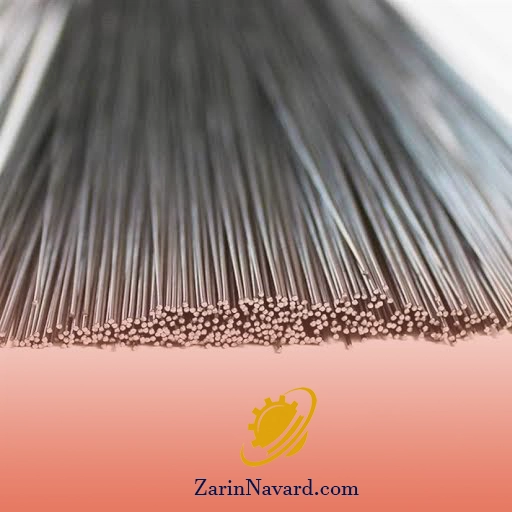
Acid-washed wire is one of the most critical raw materials in the production chain of wire products, and its role in the final quality of many industrial processes is absolutely decisive. This product is essentially steel wire that has undergone an acid-washing (pickling) process to remove oxide scales, surface contaminants, and impurities, resulting in a clean, uniform surface ready for subsequent production stages. For this reason, in many production units, acid-washed wire is referred to as "ready-to-draw" wire; because it provides a much more suitable substrate than raw wire for cold drawing, plating, copper-coated wire production, nail manufacturing, and certain metal parts.
Key Takeaway: Acid-washed wire is cleaned steel wire used to remove surface oxides and prepare it for drawing, plating, and further production, making it a key raw material in the wire industry.
Understanding the difference between acid-washed wire and black wire is of great importance to many industrial buyers. While they may seem to belong to the same family, there is a significant difference between them in terms of surface quality, behavior in machinery, die wear, and readiness for finishing processes. In this comprehensive guide, we examine in technical but understandable language what acid-washed wire is, how it is produced, what its technical specifications are, what sizes it is used in, and why choosing this product can increase final efficiency in many production lines. If you are active in the fields of nail production, wire drawing, copper-coated wire production, or industrial raw material supply, this article can help you make more informed decisions.
Galvanized wire is one of the main pillars in infrastructure, agricultural, and construction industries, considered an unrivaled alternative to many ordinary metal products due to its extraordinary durability against environmental factors. However, in today's diverse market, choosing the right product is not just a technical decision, but a smart economic one. Many buyers pay exorbitant costs for wrong choices due to a lack of awareness regarding the structural differences between hot-dip and cold-galvanized wire. This article has been compiled to enhance your technical knowledge, allowing you to understand the differences without needing complex engineering knowledge and to choose the best option for your project.
Key Takeaway: Galvanized wire is a type of steel wire covered with a layer of zinc to become resistant to rust and corrosion; making the right choice between hot and cold types is the key to success in outdoor and industrial projects.
In this guide, we have gone beyond traditional marketing and delved into the technical core of the product. From the galvanization process and its impact on product resistance to a detailed review of standard sizes and the application of each in fencing and livestock industries, we have covered everything. If you are a contractor, active in the netting and fencing industry, or a retail buyer looking for a durable product for your outdoor space, this content will be a reliable reference for you. We have combined global standards with the realities of the market to ensure you can procure a product that matches your needs with a clear perspective.
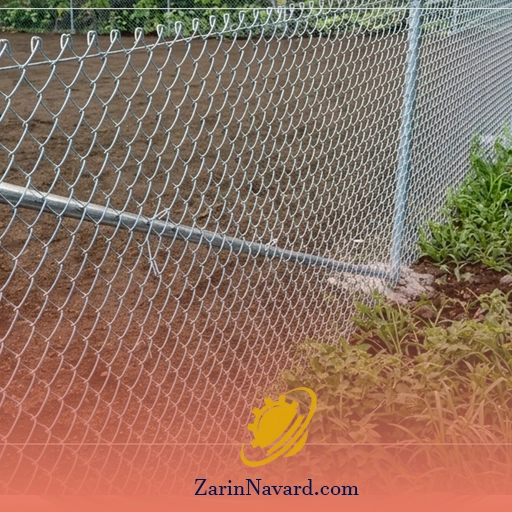
Fencing is one of the most reliable methods for boundary demarcation, protection, and security of agricultural lands, gardens, and workshop spaces. However, the durability and efficiency of these fences directly depend on the quality and technical specifications of the wire used in their construction or reinforcement. Choosing the wrong material when facing wind, rain, direct sunlight, and soil moisture will quickly cause rotting and sagging of the mesh. In this article, we examine the technical factors effective in choosing the best wire for fencing so you understand why materials like galvanized wire are the best option for fencing.
Key Takeaway: For open and humid areas, hot-dip galvanized wire is the most durable and best wire for fencing and producing protective mesh due to its rust-proof zinc coating.
Our focus in this article is to provide technical information, compare materials, and guide you toward an engineered choice. We are not looking for purchasing processes or pricing here; rather, we want to precisely examine the structural features of wire suitable for chain-link fencing, its differences from ordinary workshop wires, and how to prevent fence sagging over time.
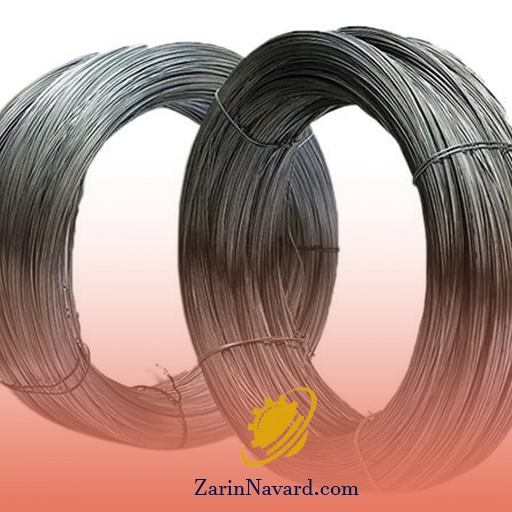
In many construction workshops, one of the biggest mistakes that increases costs and slows down execution is a lack of proper understanding of the technical differences between wire types. For many non-expert buyers, all wires look the same; but the truth is that the rebar tie wire used in civil engineering projects has fundamental differences from the ordinary wire sold in tool shops for general purposes. This difference lies in the production process, softness, flexibility, and ultimately the efficiency at the moment of tying rebar.
Key Takeaway: The main difference between rebar tie wire and ordinary wire is their production process; rebar tie wire is transformed into a soft, knot-able product through the annealing process, while ordinary wire has a hard and resistant structure that is not suitable for tying rebar.
If you are a contractor, rebar worker, or material supplier, the wrong choice can cost you in terms of labor injuries, material waste, and even defects in the rebar grid. In this article, we professionally and simply examine the differences between rebar tie wire and ordinary wire in terms of structure, performance, and price so you won't be confused during purchasing anymore. We will show you why black annealed wire is the standard and professional choice for rebar tying and why using ordinary wire for tying rebar is an economically incorrect choice. This guide is compiled as a technical reference for purchasing managers and bulk buyers to choose the best product for their project with complete confidence.
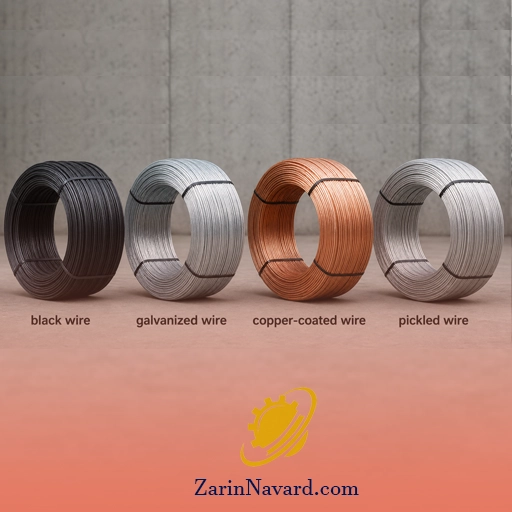
Choosing the right wire in construction and industrial projects is not just a simple purchasing decision; it is a choice that directly impacts execution quality, final product durability, and even maintenance costs. Many buyers in the market face the question of what exactly differentiates black annealed, galvanized, copper-coated, and acid-washed wire, and for what purpose each is best suited. If these differences are not correctly understood, one might buy a more expensive product than necessary for a simple application, or conversely, choose a wire for a sensitive environment that lacks sufficient durability.
Key Takeaway: The most important differences between wire types lie in their production method, moisture resistance, flexibility, surface appearance, and application type; black annealed wire is suitable for rebar tying and packaging, galvanized wire for humid environments, copper-coated wire for industrial production, and acid-washed wire for finishing processes and manufacturing subsequent products.
In this article, we examine wire types from a completely practical and technical perspective, enabling construction contractors and rebar workers to make more precise choices, helping wholesalers and material suppliers avoid errors when stocking, and providing manufacturing workshops and bulk buyers with better insight into technical product specifications. In addition to introducing each wire type, we compare them in terms of production method, surface appearance, strength, durability, application, and economic efficiency. Finally, we provide key purchasing tips and a quick comparison table to help you choose the best option for your project or business without confusion. If your goal is informed purchasing, risk reduction, and making a precise choice, this guide was written for you.
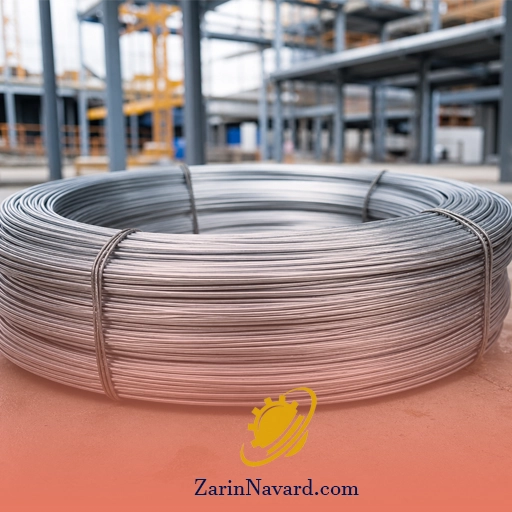
Buying wire for construction projects, if done without planning and based solely on price, quickly becomes one of those hidden costs that appears small on the surface but directly impacts execution, time, labor, and even work quality. Many contractors, rebar workers, building material wholesalers, and even bulk buyers run into problems when they haven't precisely defined basic information such as project type, execution stage, consumption volume, required size, storage conditions, and delivery time before ordering. The result of this carelessness can be inventory shortages during peak execution, surplus purchasing, rework, or irregular product delivery.
This guide is compiled with a focus on purchasing black wire and annealed wire for construction projects so that the buyer can have a clearer picture of their actual needs before placing an order. In this content, we explain what information you should gather before purchasing, what specifications to declare to the seller when ordering, what points to consider in bulk purchasing, and how to stay away from common market mistakes. We also talk about choosing the right supplier, the importance of coordination with the execution unit, approximate consumption estimation, and managing phased delivery.
Key Takeaway: A successful purchase of construction wire happens when the type of use, exact quantity, delivery time, workshop conditions, and the supplier's supply capacity are reviewed simultaneously.
If your goal is a safe, economical, and reliable purchase for rebar tying, formwork, workshop packaging, or continuous project supply, this article acts as a practical reference. The structure of the content is set up to be useful for the end-user in the workshop as well as for the wholesaler, material seller, and bulk buyer who is looking for a stable and predictable supply. Based on the experience of the steel market and common recommendations in the supply chain of building materials, it can be said that the right decision in buying wire is not just choosing a product; it is choosing a low-risk supply process for the entire project.
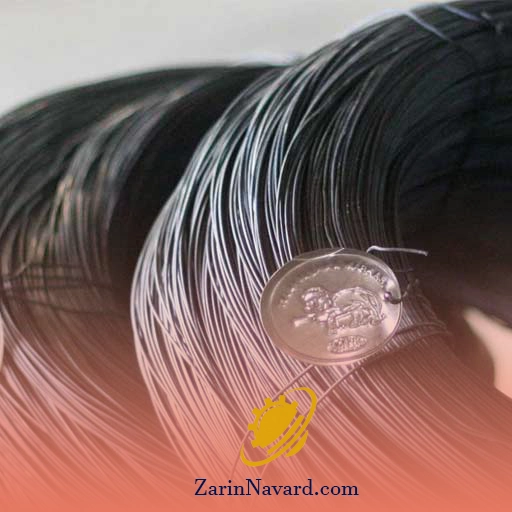
The iron and wire industry market is constantly subject to severe fluctuations, and amid this, the price of steel wire, as one of the most widely used steel sections, plays a decisive role in estimating the final costs of construction and industrial projects. This product, which serves as the foundation for manufacturing items such as chain-link fences, nails, rivets, rebar tie wire, and industrial chains, is priced under the influence of numerous factors. Daily fluctuations in the price of steel ingots, exchange rate changes, logistical transportation costs, and demand levels in the commodity exchange all directly impact the price chart of this commodity. For industrial buyers and housing developers, having access to a reliable reference that, in addition to providing up-to-date prices, scientifically analyzes the pricing process, is of great importance.
In this comprehensive article, we intend to perform a precise autopsy of the factors influencing steel wire prices. We will examine why thinner wires, despite having less weight, sometimes carry a higher price, and how cold drawing and annealing (baking) heat treatment processes affect the final production costs. We will also compare the price differences between direct factory purchasing and traditional iron market middlemen to help you make an economical and high-quality purchase. E-E-A-T criteria and metallurgical standards show that quality always comes at a price, but smart purchasing can significantly reduce extra expenses. Stay with us to make the best decision for supplying your industry's raw materials with full awareness of pricing formulas.
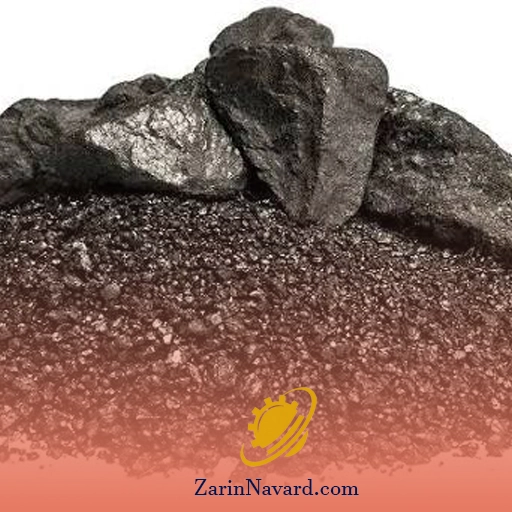
The steel industry, as the backbone of modern development, markets a diverse range of products, among which wire rod is one of the most strategic. You may have wondered how these thin yet highly resistant strands are extracted from hard mineral ores. The production process of steel wire is a sophisticated, engineered chain that encompasses metallurgy, fluid mechanics, and hot and cold rolling technologies. In this article, we will step-by-step follow the journey of an iron ore piece to becoming flexible rebar wire or shiny copper-coated wire.
Producing steel wire is not merely about thinning a piece of metal; it is about changing the molecular structure of steel to achieve specific mechanical properties such as high tensile strength and optimal flexibility. In this article, we will examine the seven stages of production, including extraction, melting in electric arc furnaces, producing wire rod in advanced rolling lines, pickling to remove surface impurities, cold drawing to achieve precise size, and finally, heat treatment or annealing. We will also examine the role of protective coatings like galvanization in increasing product lifespan. If you are looking for a deep understanding of ASTM and DIN standards in wire production and want to know which factors affect the final quality and your purchase price, this is the most specialized reference you can read. In this content, in addition to answering technical questions, we will introduce you to the extensive applications of this product in construction, agriculture, and automotive parts manufacturing to give you a comprehensive perspective on this vital commodity.
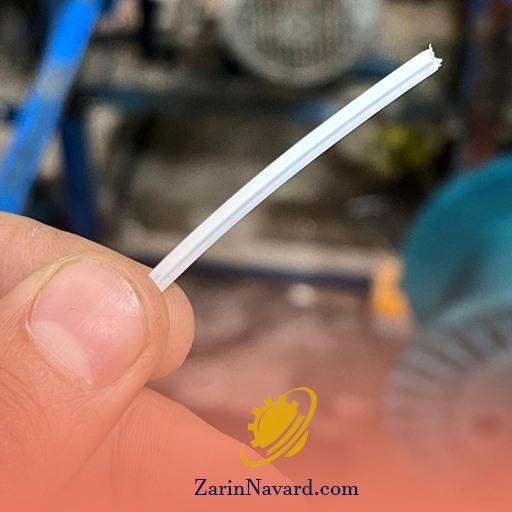
Steel wire is one of the most widely used and economical materials in the industrial packaging chain, and its role is not limited to simple binding. In many industries, from heavy cartons and multi-layer boxes to metal products, mass parts, raw materials, and ready-to-ship goods, steel wire acts as a reliable securing tool. The popularity of this product stems from the combination of flexibility, appropriate tensile strength, and high speed of use in packaging lines. Therefore, when we talk about the application of steel wire in the packaging industry, we are actually talking about a tool that can both increase transportation security and reduce costs associated with rework, damage, and package opening.
In this article, we will examine the applications of steel wire in cartons and boxes, industrial packaging, workshops, and warehouses in detail and explain why choosing the right type of black, galvanized, or soft wire can make a serious difference in the final packaging quality. We also compare the performance of steel wire with plastic strapping and metal bands so you can make the best decision for any type of goods. If your goal is to increase packaging speed, organize goods, reduce damage during handling, and purchase directly from a reputable supplier, this guide can serve as a practical reference for you. In the following, in addition to introducing advantages and common mistakes, we will review the technical points of selecting diameter, coating type, and usage conditions to make your purchase more precise and economical.
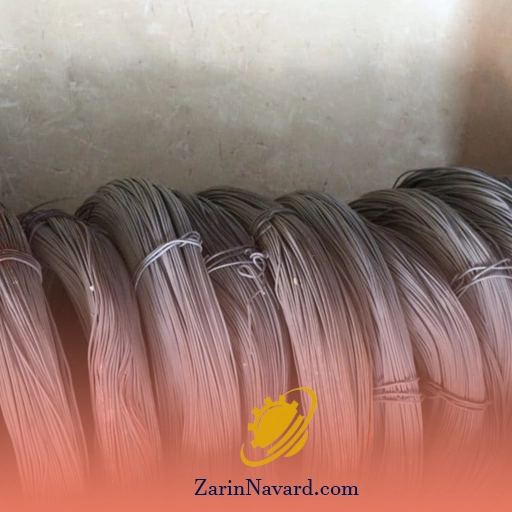
Wire in the construction industry is one of those materials that may seem simple at first glance, but in practice, a significant portion of execution quality, operational speed, and structural safety depends on it. From rebar tying and stabilizing rebar networks to formwork, metal lathing, temporary bracing, mesh construction, and even workshop organization, this product plays a multi-purpose and highly practical role. If the wire is chosen correctly, structural execution proceeds more accurately, and the probability of displacement, opening, or weak connections decreases. This is why professional contractors and experienced executors consider the right wire not as an auxiliary consumable, but as an important technical component in the project.
In construction projects, the application determines what type of wire is more suitable. For example, black annealed wire, due to its high softness and knotting capability, is widely used in rebar tying and reinforcing. In contrast, galvanized wire is a better choice for parts exposed to moisture or outdoor environments. Also, in metal or wooden formwork, bracing with wire can prevent form deformation and concrete leakage. This diversity of application means that searching for "wire in the construction industry" is not limited to a single product, but refers to a set of operational, technical, and economic needs.
In this article, we examine the applications of wire in the main sections of construction, explain important technical features, review common mistakes in selecting and using wire, and finally show why purchasing the right product can directly impact the final cost and quality of the project. If your goal is a reliable, economical, and standard choice for purchasing construction wire, this guide can serve as a practical reference for your decision-making.
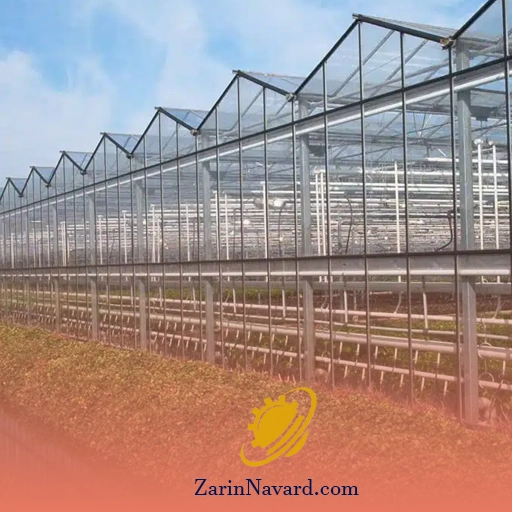
Wire in agriculture is one of the foundational and highly versatile tools for ensuring security, order, and durability in gardens, farms, greenhouses, and livestock facilities. Due to the combination of tensile strength, flexibility, and suitability for outdoor environments, this product serves as a suitable alternative to complex and expensive connections in many agricultural projects. From field demarcation and fencing to bracing tree branches, constructing grape trellises, supporting greenhouse covers, attaching mesh fencing, and even quick repairs in livestock and poultry farms, all are dependent on wire to some extent. For this reason, when we talk about wire application in agriculture, we are discussing a product that directly impacts productivity, security, and maintenance costs.
In agricultural projects, choosing the right type of wire is of great importance. If your environment is humid, rainy, or subject to constant irrigation, galvanized wire is usually the first choice because it is more durable against rust and erosion. However, for some temporary and indoor tasks, black annealed wire can be a more economical option. On the other hand, wire thickness, coating type, tension level, and surface quality determine how suitable the product is for applications like garden fencing, mesh installation, or trellis construction. In many technical supplier reports and field experiences of gardeners, one clear result is evident: a wire chosen correctly both increases the structure's lifespan and lowers repair costs.
In this article, we examine the main applications of wire in agriculture in detail, explain its differences from construction applications, introduce types suitable for outdoor spaces, and review common mistakes in purchasing and using it. If your goal is a reliable, economical, and professional choice for a garden, agricultural land, or greenhouse, this guide can serve as a practical reference for decision-making and direct purchasing.
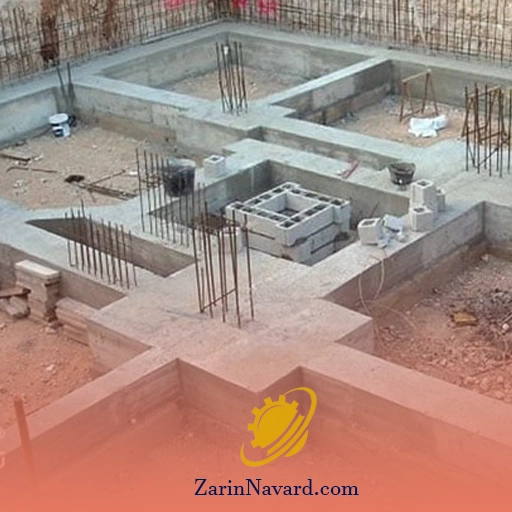
In the execution of concrete structures, the bracing of formwork is of vital importance. Fresh concrete, when poured, exerts intense hydrostatic pressure on the formwork body, and if the bracing system is not sufficiently firm, a bitter and costly accident such as "formwork blowout" will occur. To prevent this problem, concrete formwork tie wire is used. Among the available options, 2.5mm black annealed wire and sizes close to it are recognized as the main standards for this task due to their suitable balance between softness and tensile strength.
Key Takeaway: For light and medium concrete formwork, 2.5mm black annealed wire is the best option due to its high flexibility and suitable tensile strength, which prevents deformation or blowout during concrete pouring.
In this guide, without going into the details of daily prices, we focus on the executive, technical, and experimental points of working with formwork tie wire. We will examine why annealed formwork wire is the best choice for this process, what differences it has with thinner wires, and how correct knotting can ensure the safety of concrete pouring. This information helps contractors, formwork installers, and even wholesalers to correctly evaluate the right product for their workshop.
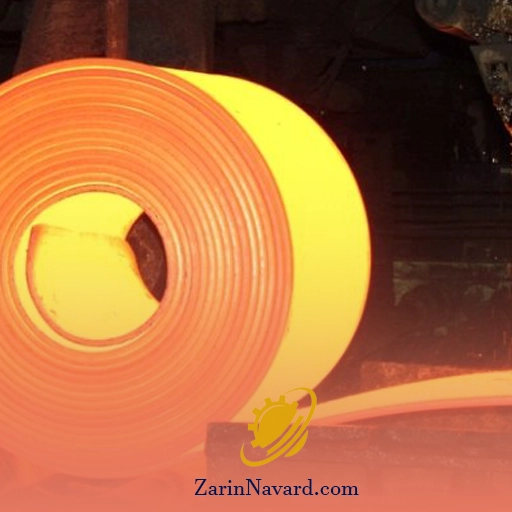
Hot rolling is one of the most important metal forming processes in the steel industry, and its role in producing intermediate and final products, especially steel wire, is absolutely key and decisive. When we talk about hot rolling of steel, we are referring to a process in which a steel billet is heated to a temperature above its recrystallization temperature and then passed through rolling stands, reducing its diameter and increasing its length. The result of this process is the production of a product like wire rod, which is the base material for many subsequent products such as wire, nails, mesh, metal parts, and galvanized wire. For this reason, anyone working in the wire industry, construction, metal parts manufacturing, or steel trading needs a precise understanding of what hot rolling is and how it is performed.
In the production chain, hot rolling is not just a simple step for changing steel dimensions; a significant portion of the final product's quality is determined at this very stage. Correct temperature control, quality of the initial billet, speed of passing through the rolling stands, and type of cooling all affect the mechanical properties of the steel, surface uniformity, flexibility, and cold drawability. According to accepted principles in technical manuals of steel production units and the experience of industrial production lines, if hot rolling is not done correctly, the final wire will encounter problems in subsequent stages such as drawing, galvanizing, or forming. Therefore, a precise knowledge of this process is not only useful for production experts but also important for industrial buyers.
In this article, we explain clearly and practically what hot rolling is, how it is performed, how it differs from cold rolling, why it is considered the main stage of wire production, and what factors affect the final quality of the wire. If your goal is to make a more informed choice in buying, selling, or gaining expert knowledge of steel wire, this guide can be a reliable reference for you.
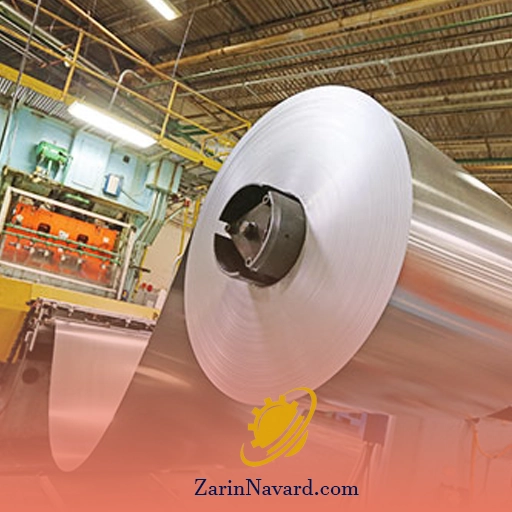
Cold rolling is one of the most important steel forming and finishing processes and plays a decisive role in many industries, from automotive and home appliances to parts manufacturing and the production of various profiles. When we talk about cold rolling, we usually mean a product that, after passing through surface preparation, thickness reduction, and in some cases heat treatment, has been transformed into a sheet with high dimensional accuracy, a smoother surface, and controlled mechanical properties. In the steel market, this product is more commonly known as cold rolled sheet, and for this reason, many industrial buyers searching for cold rolling are actually looking for cold rolled sheet, its features, applications, and differences from hot rolled sheet.
In the cold rolling process, steel is shaped at a temperature lower than its recrystallization temperature, unlike hot rolling. This results in a final product with a smoother surface, tighter dimensional tolerances, and a more suitable appearance for more sensitive applications. Of course, these advantages come at a cost, since cold rolling requires more energy, stricter quality control, and additional finishing stages. For this reason, cold rolled products are generally more expensive than hot rolled products. On the other hand, strain hardening caused by deformation at low temperature can increase sheet strength, but if necessary, annealing is performed to restore formability. According to common technical approaches in the steel industry, this balance between strength, flexibility, and surface quality is considered the greatest advantage of cold rolling.
If you work in different industries and are looking for a more precise purchase or selection, understanding the main differences between cold rolled and hot rolled sheet can directly affect cost, quality, and final product performance. In this article, we review cold rolling from its technical definition to production stages, advantages and disadvantages, differences from hot rolling, industrial applications, and frequently asked questions so you can make a more informed and professional decision.
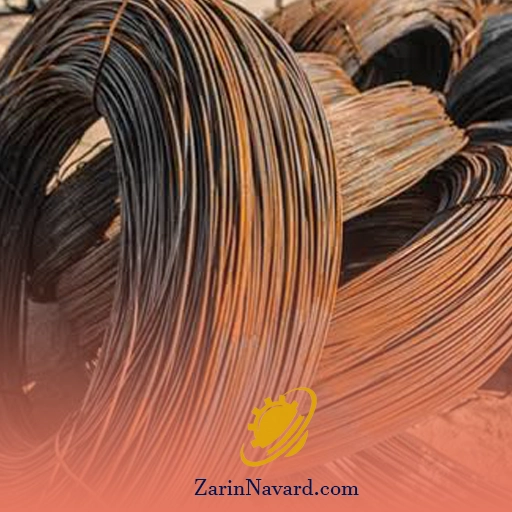
Rusting of steel wire is one of the most common concerns for various industries, especially construction, warehousing, packaging, agriculture, and metal parts production. When we ask ourselves why steel wire rusts, we are actually referring to a scientific process called steel corrosion and metal oxidation—a process in which the iron in the steel wire gradually erodes upon contact with oxygen and moisture. This phenomenon is not just a cosmetic change; it can also affect the strength, durability, and performance of the product. For this reason, understanding the cause of rusting and how to prevent it is of high importance for every industrial buyer or technical user.
In many cases, black construction wire is more prone to rusting than galvanized wire due to the lack of a protective metal coating. Environmental conditions also play a very important role; for example, high humidity, improper storage, direct contact with water, poor ventilation, and the presence of impurities in the alloy can multiply the rate of corrosion. According to accepted technical principles in the steel industry, the more the metal surface is exposed to oxygen and moisture, the higher the likelihood of iron rusting. Therefore, selecting the appropriate type of wire and proper maintenance are two key factors in preventing damage.
The good news is that for many applications, using hot-dip or cold galvanized wire can be the main and economical solution. In highly corrosive environments, stainless steel wire is also considered a safer option. In this article, we explain in a simple and professional language why steel wire rusts, what factors accelerate this process, which type of wire has more resistance, and how you can prevent rusting through proper storage, lubrication, and appropriate coating. If your goal is to buy more wisely or to better maintain wire coils, this guide can be your practical and reliable answer.
Rusting of steel wire is one of the most common concerns for various industries, especially construction, warehousing, packaging, agriculture, and metal parts production. When we ask ourselves why steel wire rusts, we are actually referring to a scientific process called steel corrosion and metal oxidation—a process in which the iron in the steel wire gradually erodes upon contact with oxygen and moisture. This phenomenon is not just a cosmetic change; it can also affect the strength, durability, and performance of the product. For this reason, understanding the cause of rusting and how to prevent it is of high importance for every industrial buyer or technical user.
In many cases, black construction wire is more prone to rusting than galvanized wire due to the lack of a protective metal coating. Environmental conditions also play a very important role; for example, high humidity, improper storage, direct contact with water, poor ventilation, and the presence of impurities in the alloy can multiply the rate of corrosion. According to accepted technical principles in the steel industry, the more the metal surface is exposed to oxygen and moisture, the higher the likelihood of iron rusting. Therefore, selecting the appropriate type of wire and proper maintenance are two key factors in preventing damage.
The good news is that for many applications, using hot-dip or cold galvanized wire can be the main and economical solution. In highly corrosive environments, stainless steel wire is also considered a safer option. In this article, we explain in a simple and professional language why steel wire rusts, what factors accelerate this process, which type of wire has more resistance, and how you can prevent rusting through proper storage, lubrication, and appropriate coating. If your goal is to buy more wisely or to better maintain wire coils, this guide can be your practical and reliable answer.