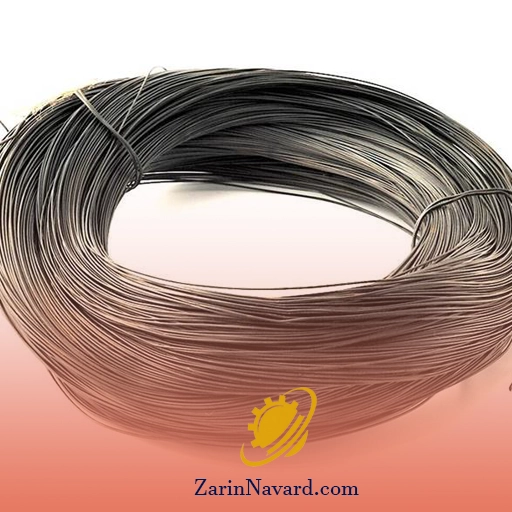
Complete Guide to Copper-Coated Wire (Mesvar Wire)
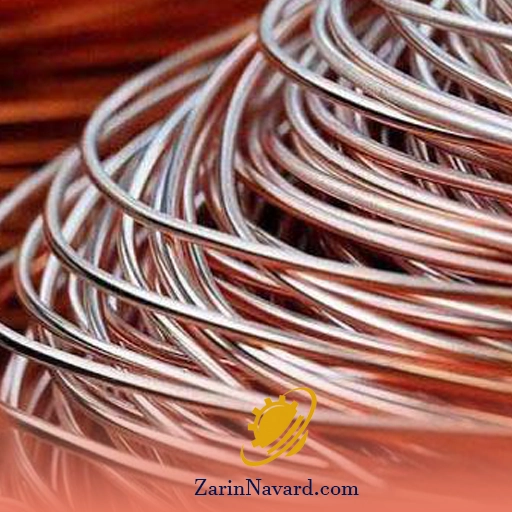
complete guide to copper coated wire
What is Copper-Coated Wire and Why is it Important in Industry?
Key Takeaway: Copper-coated wire is a steel wire with a uniform, copper-colored surface that plays an important role in various industries due to its aesthetic appeal, controlled friction, and stable performance in production processes.
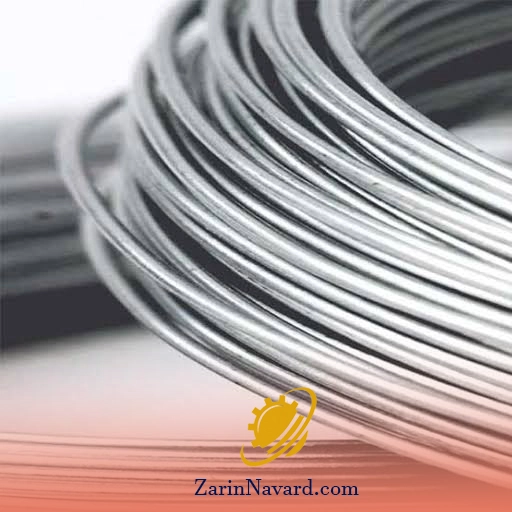
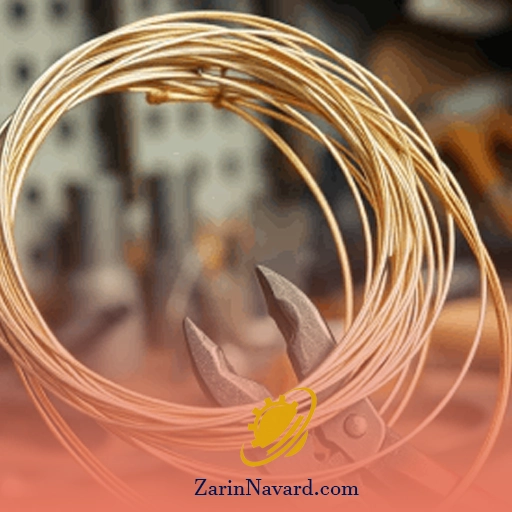
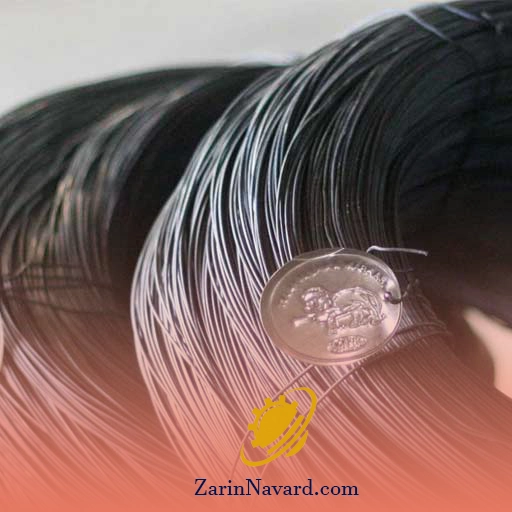
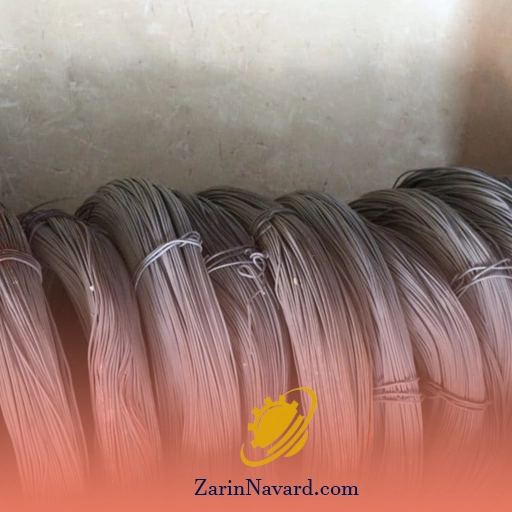
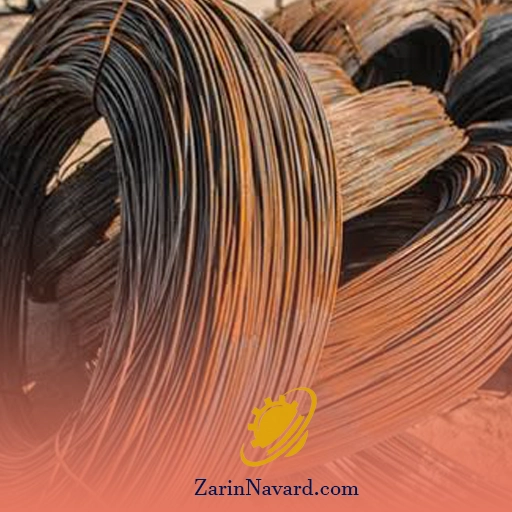
Copper-coated wire is a type of processed steel wire, usually produced from low-carbon base wire, which acquires a smooth, copper-colored appearance after surface preparation. While it is immediately recognized by its bright and uniform surface, its importance extends beyond just aesthetics. In many production lines, surface uniformity and the wire's behavior in the machine directly affect the quality of the final product.
The Role of Copper-Coated Wire in Production Lines
In industries such as nail production, light metal parts, and certain industrial fasteners, the surface quality of the wire is crucial. If the incoming wire has irregularities, scales, or improper friction, machine wear increases and the quality of the output drops.
Why is this type of wire important for the manufacturer?
Due to its good tensile strength and formability, copper-coated wire is a reliable option for workshops with high production volumes. This becomes particularly important in continuous, automated production.
How is Copper-Coated Wire Produced?
Key Takeaway: Production of copper-coated wire involves selecting the base wire, surface cleaning, wire drawing, final preparation, and creating a uniform copper coating or appearance.
The final quality of copper-coated wire depends on its production process. The more precise the surface preparation and uniformity control, the better the product will perform in industrial applications.
Step 1: Selecting the Appropriate Base Wire
Low-carbon steel is typically used for producing copper-coated wire. This selection is made due to the need for flexibility, cold-drawing capability, and proper behavior during forming.
Step 2: Surface Cleaning and Preparation
In this stage, the wire surface is cleaned of contaminants, oxides, and surface impurities. This is done to ensure the copper coating or finish is uniform and adherent.
Step 3: Drawing and Reaching Final Diameter
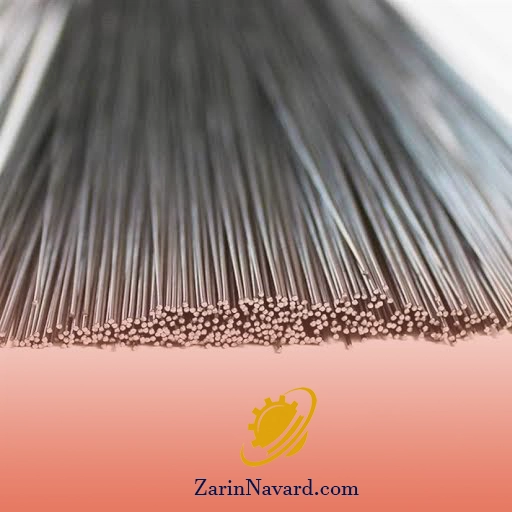
The wire passes through drawing dies in several stages to reach the desired diameter. Precision in this step ensures the wire size is uniform throughout the entire coil.
Step 4: Creating the Copper-Colored Surface
Depending on the production method, the final copper-coated appearance is created in this stage. The quality of this part is crucial for color uniformity, surface adhesion, and the final performance of the product.
What are the Technical Specifications of Copper-Coated Wire?
Key Takeaway: The most important technical specifications of copper-coated wire include precise diameter, chemical composition of the base steel, surface quality, tensile strength, and coil uniformity.
When we talk about specifications, it is not just about the apparent diameter. A professional manufacturer usually checks several indices simultaneously to ensure the wire is compatible with their machine and final product.
Chemical Composition and Base Steel
The main base of this wire is usually low-carbon steel. Controlled carbon percentage ensures the wire behaves appropriately during drawing and bending processes without becoming overly brittle.
Tensile Strength and Formability
The wire must not be so soft that it becomes difficult to control during the production process, nor so hard that it cracks or breaks during operation. The balance between strength and flexibility is one of the main quality criteria.
Surface Quality and Visual Uniformity
The surface of the copper-coated wire must be smooth, uniform, and free of scales. Roughness or unevenness can negatively impact production speed, final product quality, and even the lifespan of machine parts.
Common Sizes of Copper-Coated Wire and Their Applications
Key Takeaway: Copper-coated wire is typically available in sizes ranging from 1.2 to 4 mm, with each diameter suitable for a specific type of industrial production.
Size or diameter is one of the main selection criteria in industrial purchasing and consumption. Choosing the wrong size can both increase waste and affect the quality of the final product.
1.2 mm Size
This size is mostly used in finer productions, light nails, or small metal parts.
1.5 mm Size
One of the most widely used sizes in many general nail production lines; it is in high demand due to its good balance between flexibility and strength.
2 to 2.5 mm Sizes
Used for producing thicker nails, industrial parts, and some heavier-duty applications.
3 to 4 mm Sizes
This range is more commonly used in specialized industrial applications, custom metal parts, or applications requiring a larger cross-section.
Applications of Copper-Coated Wire in Various Industries
Key Takeaway: The primary application of copper-coated wire is in nail production, but it is also used in manufacturing metal parts, screws, industrial bending, and certain metal equipment.
When we talk about applications, one naturally thinks of nail production, which is correct; however, the scope of this product's use is not limited to one industry.
Nail Production
The main consumption of copper-coated wire is in the nail production industry. The uniform surface and appropriate behavior of this wire in machines allow for better production speed and higher quality.
Production of Light Metal Parts
In some workshops, this wire is used to manufacture formed parts, bent components, or light metal fasteners.
Continuous Industrial Lines
Wherever the production process requires continuous feeding of wire with consistent surface quality, copper-coated wire is a suitable option.
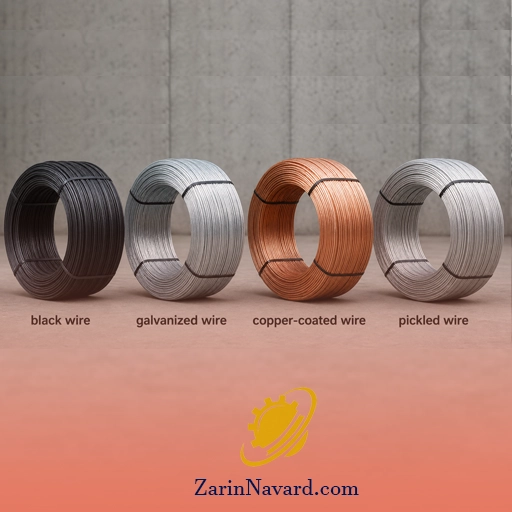
Difference Between Copper-Coated Wire, Black Wire, Galvanized Wire, and Acid-Washed Wire
Key Takeaway: The main difference between copper-coated wire and other types of wire lies in the surface type, industrial application, and the purpose of the final processing.
For an accurate selection, you need to know what conditions each type of wire is designed for. This difference is not just visual; it relates to the application and the production process.
Copper-Coated Wire vs. Black Wire
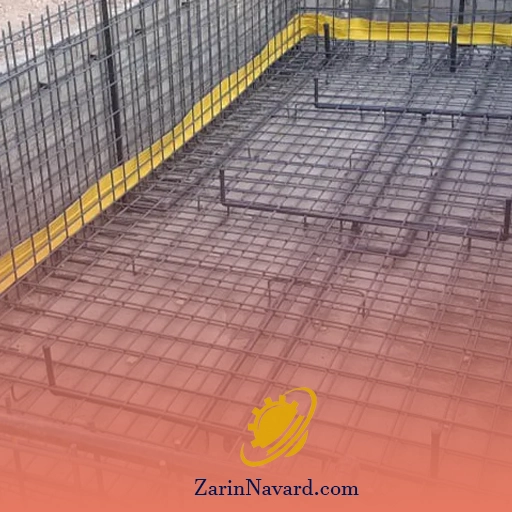
Black wire is usually annealed, soft, and suitable for rebar tying and packaging. In contrast, copper-coated wire is more suitable for industrial production and machine operation.
Copper-Coated Wire vs. Galvanized Wire
Galvanized wire is designed for resistance against moisture and rust, while copper-coated wire focuses more on surface quality and performance in industrial production.
Copper-Coated Wire vs. Acid-Washed Wire
Acid-washed wire is usually a product with a cleaned surface that can be raw material for subsequent processes, but copper-coated wire is considered a more final stage for specific industrial applications.
What Should You Consider When Choosing Copper-Coated Wire?
Key Takeaway: To select the appropriate copper-coated wire, you must simultaneously consider diameter, surface quality, coil uniformity, machine compatibility, and final application type.
Many purchasing errors occur when only the price is considered. However, if the wire is not aligned with the actual needs of the production line, it will create much higher hidden costs.
Check Machine Compatibility
The type of production machine, operating speed, and sensitivity of the wire feeding system are very important in choosing the appropriate wire.
Quality Control of Surface
Improper surfaces can cause jamming in the feeding path, increased friction, and decreased final product quality.
Attention to Real Diameter
In industrial purchasing, even minor differences in diameter are important, as they directly affect the wire's behavior during the production process.
What Factors Affect the Price of Copper-Coated Wire?
Key Takeaway: The price of copper-coated wire depends on diameter, base steel type, quality of surface processing, coil weight, order tonnage, and steel market conditions.
In blog articles, it is better to explain the pricing logic rather than announcing rates. This helps the buyer make a more informed decision.
Raw Materials and Base Steel
The better the quality of the base wire, the more the final price can vary.
Production Process Quality
Surface uniformity, precision in drawing, and final quality control are factors that affect the real value of the product.
Order Volume and Market Conditions
Bulk orders usually have different terms, and steel market fluctuations directly affect the daily price.
Frequently Asked Questions About Copper-Coated Wire
Question: What is copper-coated wire?
Answer: Copper-coated wire is a type of processed steel wire with a uniform, copper-colored surface, primarily used in the production of nails and metal parts.
Question: What is the most important application of copper-coated wire?
Answer: Its most important application is in nail production, as its smooth surface and suitable behavior in machines lead to improved production speed and quality.
Question: In what sizes is copper-coated wire supplied?
Answer: Depending on the manufacturer, this product is typically supplied in the range of 1.2 to 4 mm, with each size suitable for a specific application.
Question: What is the difference between copper-coated wire and black wire?
Answer: Black wire is mostly used for rebar tying and packaging, whereas copper-coated wire is more suitable for industrial production and machine operations.
Question: Is copper-coated wire suitable for humid environments?
Answer: If the main goal is resistance against humidity, galvanized wire is usually a more suitable option than copper-coated wire.
Conclusion
Key Takeaway: Copper-coated wire is a specialized choice for manufacturers who value surface quality, operational uniformity, and compatibility with production lines.
To summarize, copper-coated wire is a product designed more for precise industrial applications than for general use. If you work in the field of nail production, metal parts, or forming processes, understanding this wire correctly can help you choose more suitable raw materials. Also, if you are comparing different types of wire, understanding the differences between copper-coated, black, galvanized, and acid-washed wires will make your choice more accurate and economical.