How is steel wire produce? From iron ore extraction to the final wire
how is wire rod produced step by step guide
Steel wire production is a multi-stage process carried out with great precision so that the final result is a product that resists mechanical stresses and environmental conditions. This path begins in the depths of mines and ends in well-equipped wire drawing halls.
What is steel wire and why is it important in the industry?
Key Takeaway: Steel wire is a drawn steel product that plays a vital role in construction, automotive, agricultural, and packaging industries due to its flexibility and high strength.
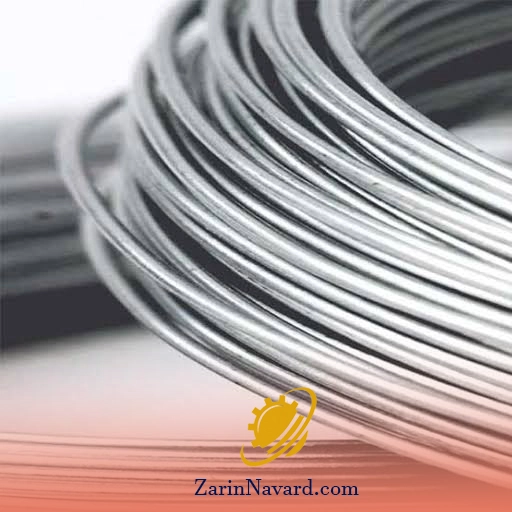
Steel wire is the foundation of many industrial products. From tying rebar in construction to manufacturing springs and mesh, all depend on the quality of this product. Due to its formability while maintaining structural resistance, this product is irreplaceable in the industry.
The role of steel wire in structural safety
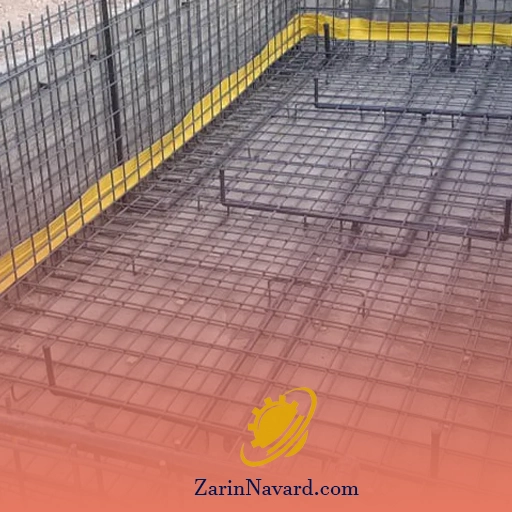
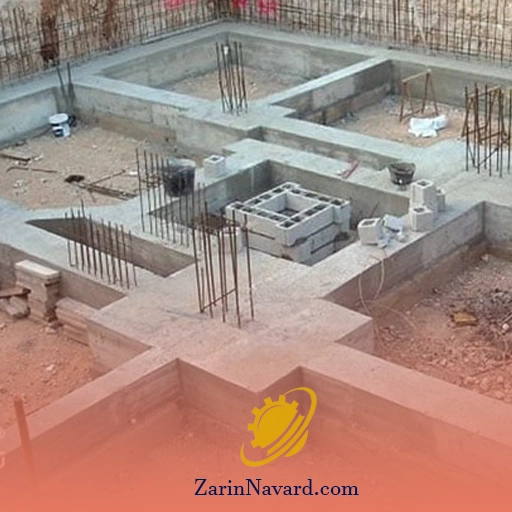
In the construction industry, wires are responsible for integrating rebar. If the wire quality is low, the stability of the rebar cages is compromised during concrete pouring.
Versatility in delicate industries
In addition to heavy industries, steel wire is used in the production of kitchenware, metal shelves, and even tiny electrical parts, which indicates the high versatility of this product.
What are the raw materials for steel wire production?
Key Takeaway: The main raw materials include iron ore, recycled steel scrap, and precise alloying elements whose combination determines the purity of the steel.
The importance of iron ore purity in metallurgy
Iron ore must first be processed so its iron percentage reaches the desired level. The presence of impurities like sulfur or phosphorus can cause brittleness and wire breakage during drawing stages.
The role of alloying elements in improving properties
Adding specific amounts of manganese increases hardness, and adding silicon improves the elasticity of the wire, which is very vital in spring wire production.
Stage 1: Iron ore extraction from the mine
Key Takeaway: Iron ore extraction is the first step, which after crushing and concentration, is prepared as concentrate for melting.
Concentration and granulation process
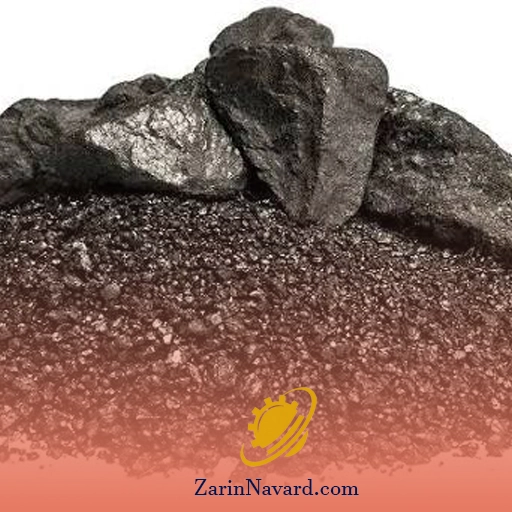
Iron ore is crushed in crushers after leaving the mine. Then, using magnetic or flotation methods, its grade is increased to be ready for entry into the furnace.
Steel pellet production
Iron concentrate is converted into small balls called pellets. These pellets have suitable porosity that allows reducing gases in the furnace to react well with iron.
Stage 2: Steel production in the steel mill
Key Takeaway: In electric arc furnaces or converters, iron ore is melted at high heat, and its impurities are separated to produce steel ingots.
Ladle refining and chemical analysis adjustment
After initial melting, molten steel is transferred to refining ladles. Here, by blowing oxygen and adding ferroalloys, the exact chemical composition is adjusted according to wire production standards.
Continuous casting (CCM)
Molten steel is converted into steel ingots with a square cross-section (billet) in continuous casting machines. These billets are the direct raw material for rolling lines.
Stage 3: Wire Rod production
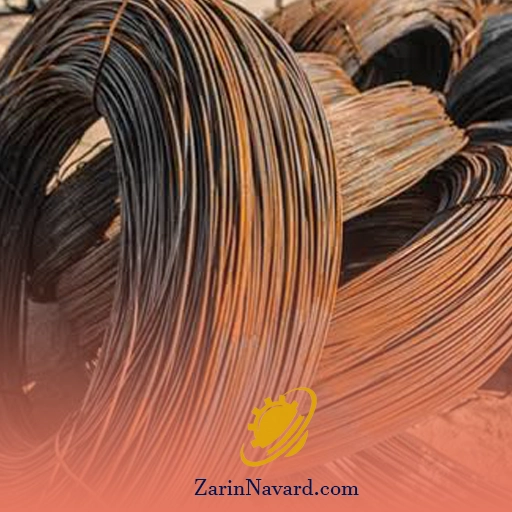
Key Takeaway: Wire rod, or initial wire, is a product obtained after hot rolling of steel ingots, with a diameter of about 5 to 12 millimeters.
Hot rolling of steel billets
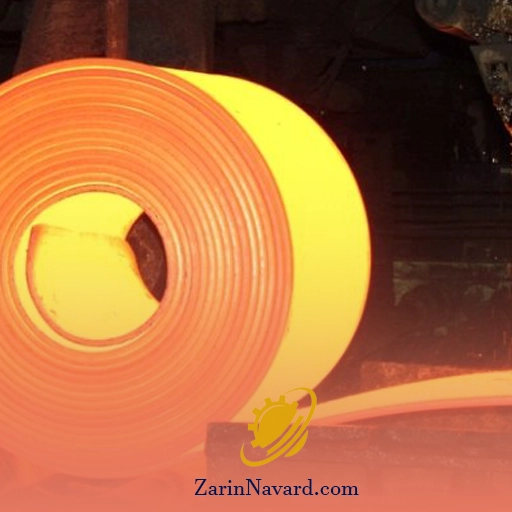
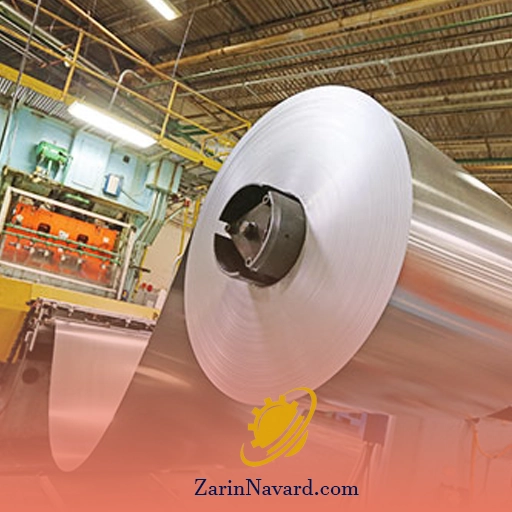
Billets are heated in preheating furnaces up to 1200 degrees Celsius and then passed through consecutive rollers to decrease their diameter and increase their length.
Controlled cooling (Stelmor)
After rolling, wire rod coils must be cooled at a specific rate. The cooling rate determines the crystal structure of the steel and its initial hardness level.
Stage 4: Wire rod pickling
Key Takeaway: To prepare the surface for drawing, the wire rod is placed in acid baths to remove all oxide scales and rust.
Chemical reaction in hydrochloric acid bath
Using acid causes the oxide layer created during hot rolling to be completely dissolved. This is necessary to prevent damage to the drawing dies.
Washing and phosphate coating
After pickling, coils are washed with water, and usually, a layer of phosphate or lime is placed on them to act as a lubricant during the drawing stage.
Stage 5: Wire Drawing
Key Takeaway: The wire rod is passed through conical-shaped dies to reduce its diameter and reach the desired wire thickness.
Diameter reduction mechanism in tungsten carbide dies
The wire passes through the die hole, which is smaller than the wire diameter, using tensile force. This action causes the wire to elongate and its diameter to decrease cold.
Increasing yield strength due to cold work
The drawing process causes the metal grain structure to compress. This phenomenon is called "work hardening," which significantly increases the tensile strength of the wire but reduces its flexibility.
Stage 6: Heat treatment or annealing
Key Takeaway: To increase flexibility, the drawn wire is heated in annealing furnaces and cooled slowly. This releases the internal stresses of the metal.
Recrystallization of metallurgical structure
At the annealing temperature (about 700 to 900 degrees), the metal grains that were stretched during the drawing stage are reshaped. This process makes the wire soft and ready for tying.
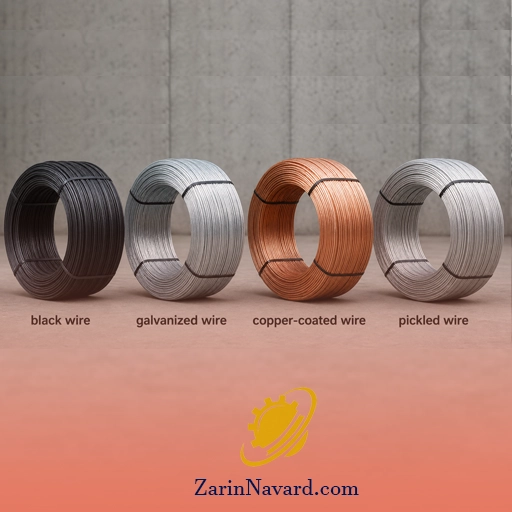
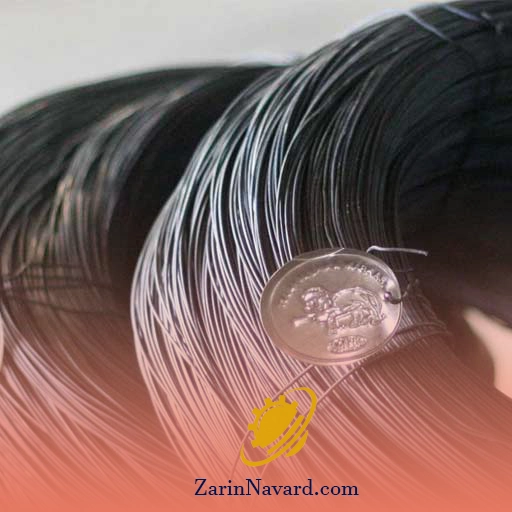
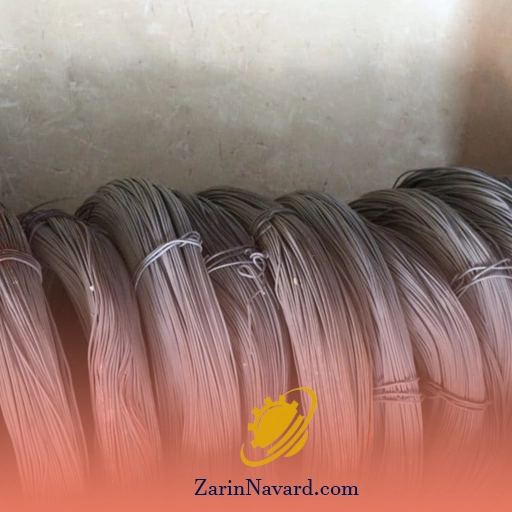
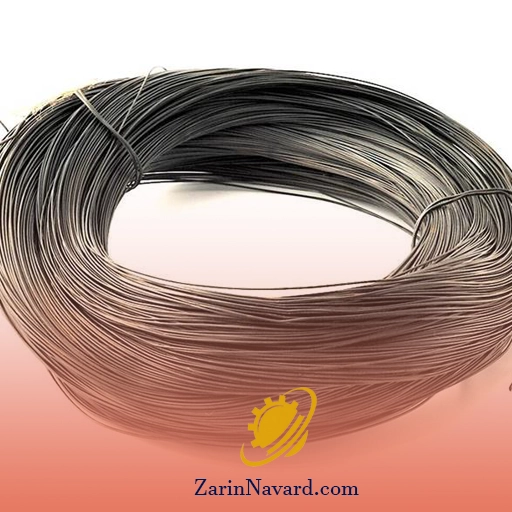
Production of annealed black wire
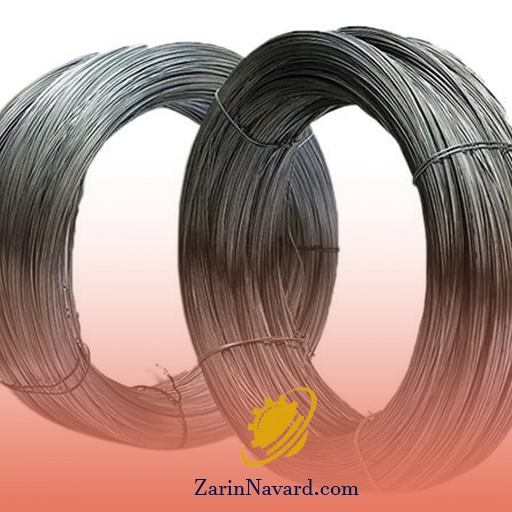
The product exiting this stage is the famous black wire used in rebar tying, which must be easily bent by hand without breaking.
Galvanization process for humid regions
In this stage, the wire passes through molten zinc so a layer of zinc covers its surface. This coating ensures the wire does not rust for decades, even in humid environments.
Copper-coated wire and application in shelf production
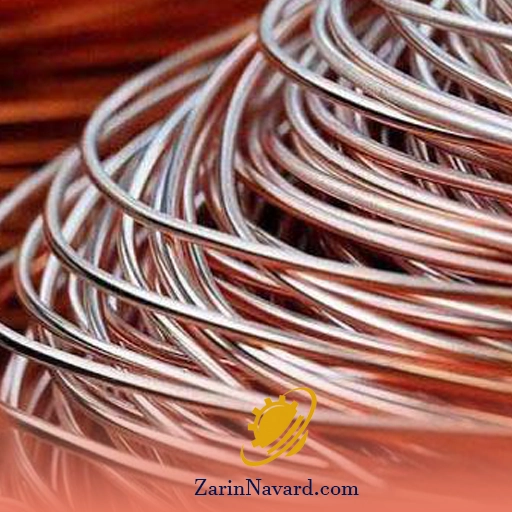
A thin layer of copper is placed on the wire, which, in addition to beauty, improves the product's weldability in industrial production such as refrigerator components.
Quality control in the steel wire production process
Key Takeaway: Quality control is performed through tensile strength tests, precise diameter measurement with a micrometer, and visual inspection of surface quality at all stages.
Metallurgical and quantometric testing
In the laboratory, the chemical composition of the steel is checked to ensure carbon content and impurities are exactly in accordance with customer orders and national standards.
Torsion and bending test
To ensure the wire does not experience sudden breakage during work, samples of production are subjected to rigorous mechanical tests.
How are different sizes of steel wire produced?
Key Takeaway: Steel wire size depends directly on the number of passes through drawing dies; the higher the number of passes, the thinner the wire becomes.
Consecutive drawing in multi-stage machines
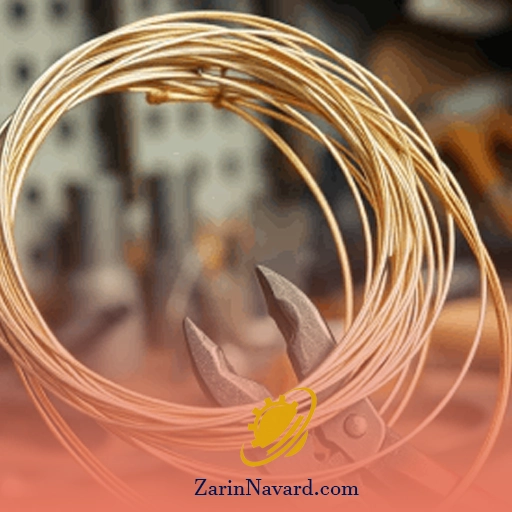
To produce very thin wires (such as scoop wire), the wire must pass through 5 to 10 different dies in order to reach the desired thickness without tearing.
Speed adjustment in drawing lines
Drawing speed must be adjusted according to the steel grade. Excessive speed can cause the die to heat up and change the physical properties of the wire.
Types of steel wire produced in the factory
Key Takeaway: The factory's main products include black wire (soft), galvanized (cold and hot), copper-coated (industrial), and rebar tying wire.
White wire (galvanized) and mesh
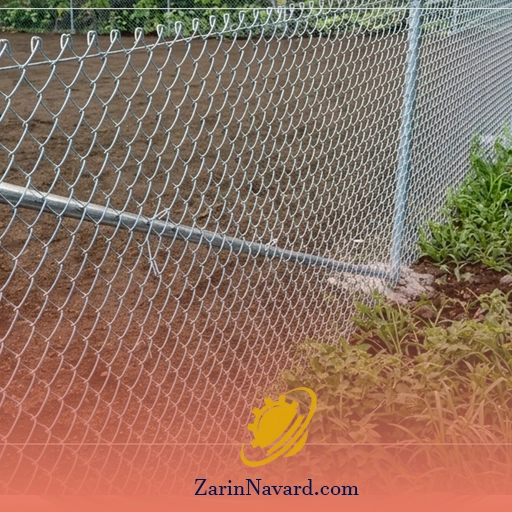
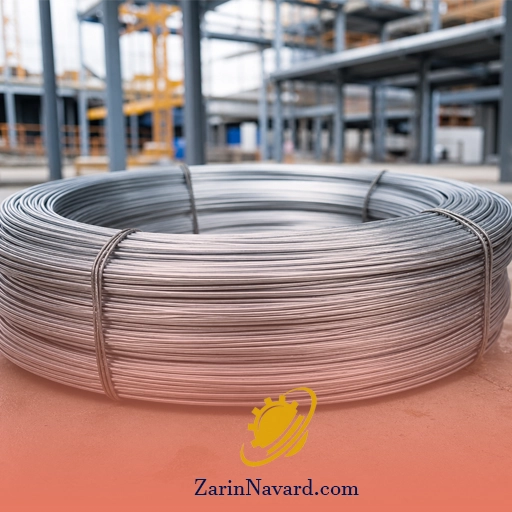
This type of wire is the main basis for producing chicken wire, chain-link fence, and gabion, which is very popular due to its high longevity outdoors.
High-carbon spring wire
These wires undergo special heat treatment after production to gain elasticity and are used in furniture and automotive industries.
Application of steel wire in various industries
Key Takeaway: This product is widely used in construction (rebar tying), agriculture (fencing), packaging (baling), and metal parts production (nails and rivets).
Agricultural industry and vineyards
Farmers use galvanized wires to create grape trellises and fencing around lands, which is resistant to chemical pesticides.
Nail and rivet production
Many nail manufacturing factories purchase hard wires as raw material and convert them into nails using impact machines.
Steel wire production standards
Key Takeaway: Production is based on global standards such as ASTM (USA), DIN (Germany), and national standards (ISIRI) to ensure quality.
Compliance with DIN 1548 standard
This standard determines the specifications of zinc coating in galvanized wires, and compliance with it is mandatory for exporting the product to global markets.
Importance of ASTM A510 standard
This standard relates to dimensional tolerances and mechanical properties of wire rods, which are considered the basis for producing precision wires.
Factors affecting the quality of produced steel wire
Key Takeaway: Quality depends on steel carbon content, precision in the drawing process, and precise annealing temperature.
The effect of drawing oil on surface smoothness
Using drawing powder or high-quality oils makes the wire surface scratch-free and uniform, which is very important in the subsequent painting or plating stage.
The role of the operator and machine calibration
Precision in adjusting the distance between rollers and constantly checking the diameter of drawing dies prevents the production of off-grade products (waste).
Conclusion: The process of steel wire production from iron ore to final product
The process of producing steel wire from iron ore extraction to the final product is a complex chain where precision in every stage guarantees the quality of the product that reaches you. Choosing a reputable manufacturer that follows all stages with up-to-date standards can significantly reduce your project's final costs due to waste reduction and increased durability.
Frequently Asked Questions about the steel wire production process
Question: What is the difference between black wire and galvanized wire?
Answer: Black wire is actually raw wire that has been annealed and has no coating and will rust, but galvanized wire has a protective layer of zinc that prevents corrosion and rusting.
Question: Can steel wire be thinned at home?
Answer: No, the process of diameter reduction or wire drawing requires very powerful industrial machines and ultra-hard tungsten dies that pull the wire with immense force.
Question: Why do the prices of different steel wires vary?
Answer: Price depends on the type of initial ingot, final thickness (the thinner, the higher the production cost), type of coating (copper-coated or galvanized), and the quality of heat treatment performed on it.
Question: Is wire rod the same as steel wire?
Answer: No, wire rod is the product of hot rolling that has a thicker diameter and is used as raw material for wire drawing factories to be converted into thin wires.
Question: Which is the best wire for construction rebar tying?
Answer: Annealed black wire with a thickness of 1.5 mm is the softest and most suitable option that ties easily and does not break during work.