Difference Between Rebar Tie Wire and Ordinary Wire
difference between armature wire and regular wire
When it comes to executing a concrete frame, tie wire is the unsung hero that holds everything together. But when it comes to purchasing, the main question is: can any wire be used for tying rebar? The resounding answer is no. Understanding the difference between wire and rebar tie wire is a key skill for anyone active in the construction industry.
Key Takeaway: Understanding the structural difference between these two products allows you to make an informed purchase and prevent the waste of project capital.
What is Rebar Tie Wire and What Are Its Features?
Key Takeaway: Rebar tie wire is a black annealed wire that, due to a special thermal process, is very soft, flexible, and excellent for rapid knotting.
Introduction to Rebar Tie Wire and Its Application in Tying Rebar
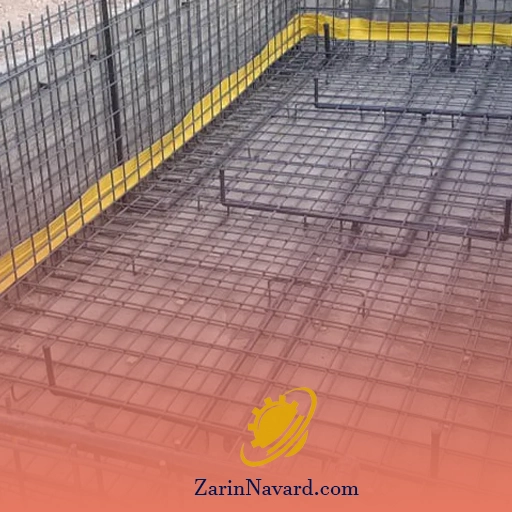
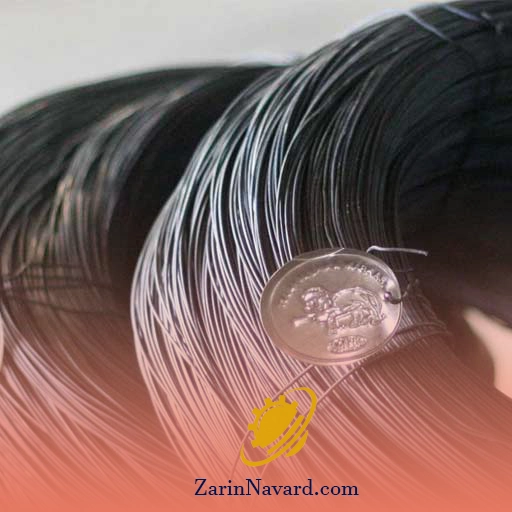
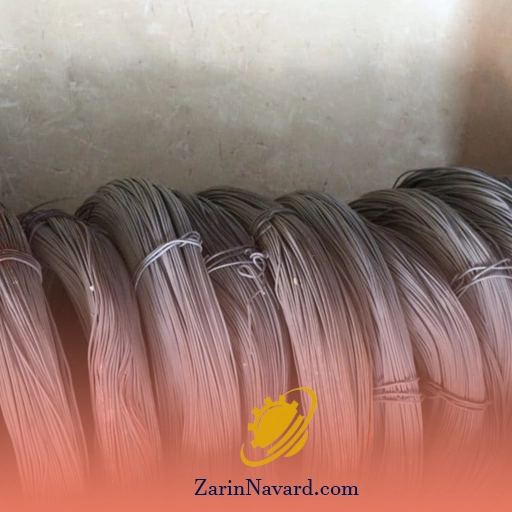
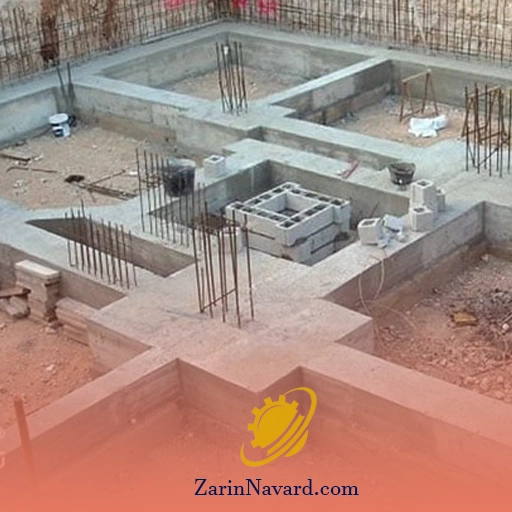
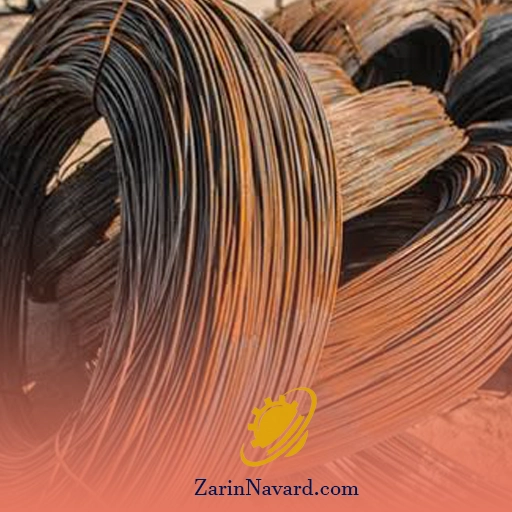
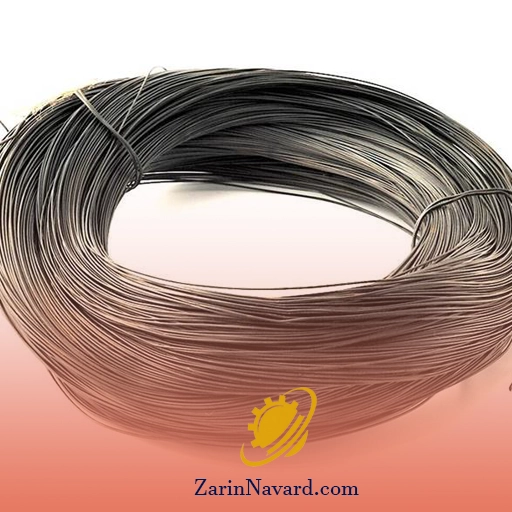
Rebar tie wire, commonly known in the market as black wire, is a product specifically produced for connecting longitudinal and transverse rebars in foundations, columns, and ceilings. This wire must be able to easily wrap around the rebar and be knotted with pliers or manual tools.
Technical and Behavioral Features of Rebar Tie Wire (Softness, Knot-ability, Strength)
The main feature of this wire is controlled softness. This wire bends easily but resists breaking when being knotted. This balance between flexibility and strength is exactly what the rebar worker needs for long-term work in a workday.
Material of Rebar Tie Wire and Its Production Process (Black Annealed Wire)
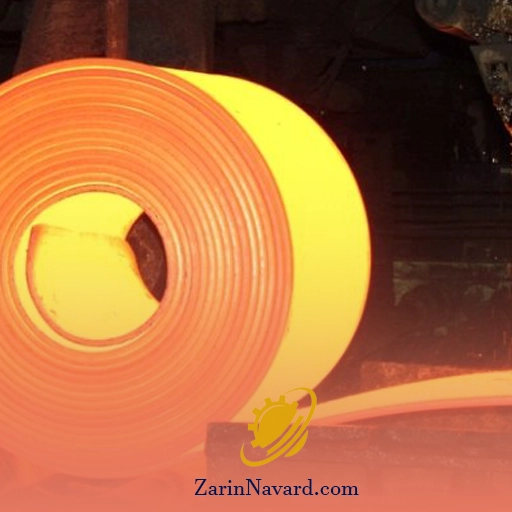
This wire is made of black wire that has undergone an annealing process in special furnaces. Annealing eliminates the hardness caused by wire drawing and prepares its molecular structure for flexibility.
What is Ordinary Wire?
Key Takeaway: Ordinary wire or hard wire is a product that has not been annealed after the drawing operation and is used for applications requiring high strength.
Definition of Ordinary Wire in the Industry
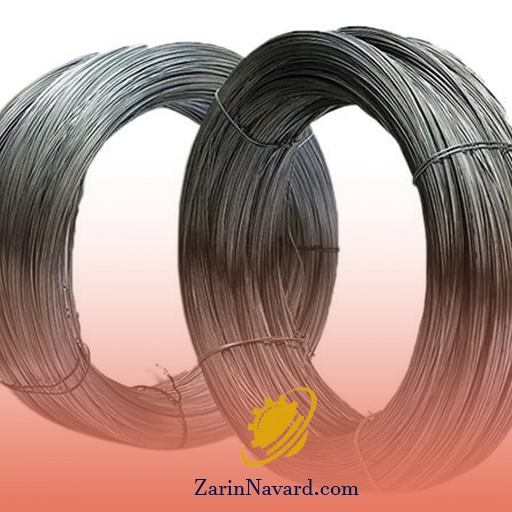
Ordinary wire or hard wire is a product that has gone through drawing stages but has not passed through the baking or annealing process. This means the wire has remained in its hardest state and has high tensile strength.
Common Types of Ordinary Wire in the Market
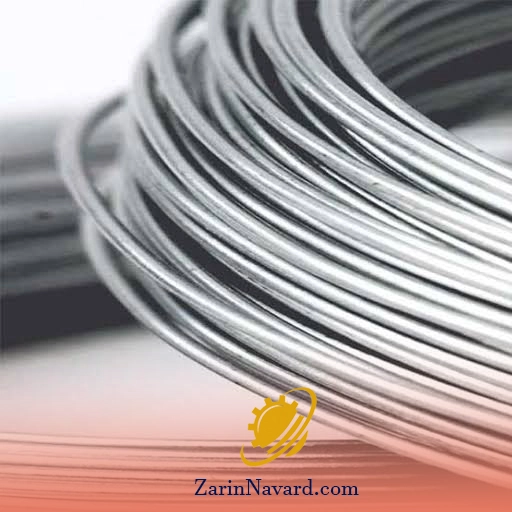
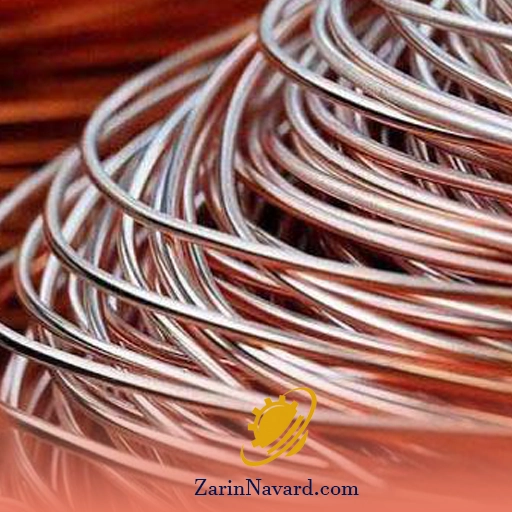
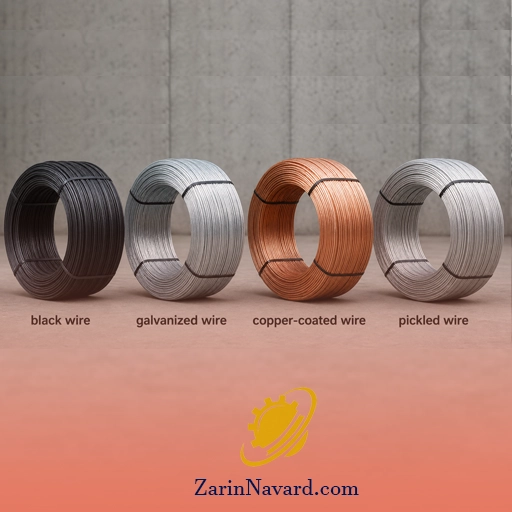
These wires exist in types such as cold galvanized, hot galvanized, spring wire, and copper-plated wire, each offering a different level of hardness and coating depending on the customer's needs.
General Applications of Ordinary Wire (Construction, Packaging, Fencing, etc.)
These wires are excellent for places where the wire must bear high weight or be resistant to deformation; such as fencing gardens, tying heavy loads in transportation, or producing metal shelves that should not bend.
Difference Between Rebar Tie Wire and Ordinary Wire in Terms of Structure and Material
Key Takeaway: The main difference is in the production process; rebar tie wire is baked and soft, while ordinary wire has not been heated and has a hard structure.
Difference in Production Process (Annealed vs. Non-annealed)
Rebar tie wire has been annealed in a furnace to become soft, but ordinary wire enters the market directly after cold drawing, which causes the metal's hardness to be maintained.
Difference in Softness and Flexibility
If you bend an ordinary wire with your hand, it has an elastic state and is difficult to deform, but rebar tie wire retains its shape as soon as it is bent and is "user-friendly".
Difference in Tensile Strength and Knotting Quality
Ordinary wire has high tensile strength and is suitable for holding loads, but if you try to tie rebar with it, the knots will open or your pliers will be damaged.
Difference Between Rebar Tie Wire and Ordinary Wire in Terms of Application
Key Takeaway: Rebar tie wire is a craftsman's hand tool, while ordinary wire is a structural tool for resistance and load-bearing.
Rebar Tie Wire Specifically for Tying Rebar and Rebar Networks
This wire is designed to work with hands and manual tools. There is no replacement for the speed and comfort that this wire gives to the rebar worker during knotting.
Ordinary Wire for General and Light Uses
This wire is used for industrial works like building shelves, industrial nets, or packaging works that need the wire's shape to remain fixed.
Why is Using Ordinary Wire for Rebar Tying Wrong?
Using hard wire for rebar tying drastically reduces work speed, causes premature fatigue for the rebar worker, and because the knots are not tightened well, the rebar network remains loose before concreting.
Difference Between Rebar Tie Wire and Ordinary Wire in Terms of Execution Performance
Key Takeaway: Rebar tie wire performance is measured by speed and ease of knotting, but ordinary wire performance is measured by resistance to breaking and not bending.
Speed and Ease of Working with Rebar Tie Wire
A rebar worker with annealed tie wire can tie hundreds of knots in a day. This wire rotates around the rebar and tightens without needing much physical force.
Probability of Breaking Ordinary Wire When Tying Rebar
Hard or non-annealed wires tire and break very quickly when bent too much. This means wasting time untying the knot and re-tying it.
Effect of Wire Type on Final Structural Resistance Before Concreting
The right wire makes the rebar network act like a single piece. Improper wire may cause the network to displace due to workers' movement.
Difference Between Rebar Tie Wire and Ordinary Wire in Terms of Price
Key Takeaway: Rebar tie wire may have a different price at times due to the thermal process (annealing), but choosing it is always more economical due to increased productivity.
Factors Affecting the Price of Rebar Tie Wire
The price of black wire, the energy cost of annealing furnaces, and wire thickness are determining factors.
Why is the Price of Ordinary Wire Lower?
Sometimes hard wires (without annealing) seem cheaper due to the elimination of a production stage, but buying it for rebar tying is a strategic error.
Choosing Based on Application, Not Just Price
Never sacrifice quality for price. A professional contractor knows that buying the right wire ultimately reduces wage and project execution time costs.
Which Type of Wire is Used in Rebar Tying and Why?
Key Takeaway: The only standard choice for rebar tying is black annealed tie wire.
Standards for Wire Suitable for Rebar Tying
National building standards emphasize using wires that have sufficient flexibility so that knots have appropriate resistance during earthquakes or concrete pressure.
Reason for the Superiority of Black Annealed Wire in Rebar Execution
Softness, high twistability, work speed, and reduced human force fatigue; these are the reasons for the absolute superiority of black annealed wire.
Consequence of Wrong Wire Choice in Construction Projects
Rework costs, delays in concreting, and ultimately lower quality of rebar connections are the consequences of wrong choices.
|
Feature |
Rebar Tie Wire |
Ordinary Wire |
|---|---|---|
|
Production Process |
Annealed (baked) |
Cold drawing (hard) |
|
Softness Level |
Very High |
Low (hard) |
|
Knotting Ability |
Excellent and Fast |
Weak and Difficult |
|
Main Application |
Tying Rebar |
General, Industrial Uses |
|
Behavior in Bending |
No Spring-back |
Has Springiness |
Conclusion on the Difference Between Rebar Tie Wire and Ordinary Wire
Key Takeaway: For rebar tying, only use black annealed tie wire; any other alternative is a waste of time and capital.
Summary of Key Differences
Rebar tie wire is produced with the annealing process and is soft, while ordinary wire has a hard and resistant structure. This simple difference is the most key factor in determining the speed and quality of your project.
Final Recommendation for Choosing the Right Wire in Construction Projects
Before purchasing, be sure to specify your needs. If you have a construction project, order black annealed wire without a doubt. To receive advice on choosing the exact size (like 1.5 or 2.5) and inquire about daily prices of products with guaranteed quality, call our experts right now. We have a special plan for the continuous supply of your project.
FAQ:
Question: What is the main difference between rebar tie wire and wire?
Answer: Rebar tie wire, or black wire, is softened through a thermal process and is excellent for tying rebar, but ordinary wire is hard and is used for general purposes.
Question: Why shouldn't ordinary wire be used for tying rebar?
Answer: Because ordinary wire is hard, it is difficult to knot, bothers the rebar worker's hand, and drastically reduces work speed.
Question: What is black annealed wire?
Answer: It is a wire that, after drawing, is baked in special furnaces to remove its hardness and turn into a flexible product for tying rebar.
Question: Is the price of rebar tie wire different from ordinary wire?
Answer: Yes, the annealing process changes the production cost of rebar tie wire, but buying it is much more economical due to the reduction of ancillary project costs.
Question: How to recognize a good rebar tie wire?
Answer: A good rebar tie wire should bend easily by hand, have no springiness, and have a uniform black color.