Guide to Choosing the Best Wire for Tying Rebar in Reinforcement Work
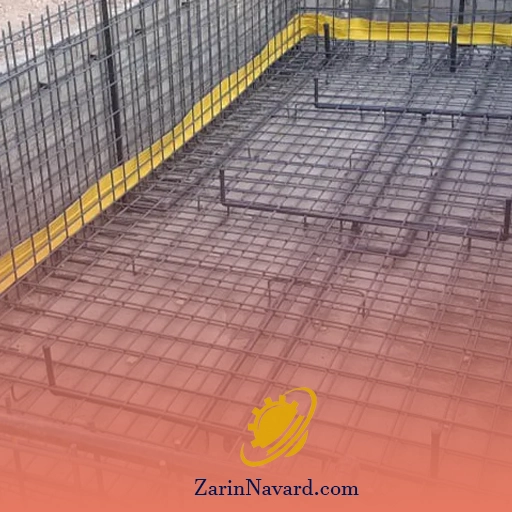
rebar tie wire buying guide
What Is Rebar Tie Wire and What Is It Used For?
Key Takeaway: Rebar tie wire is a soft steel wire used for temporary connection of rebars and keeping them fixed in place before concrete pouring.
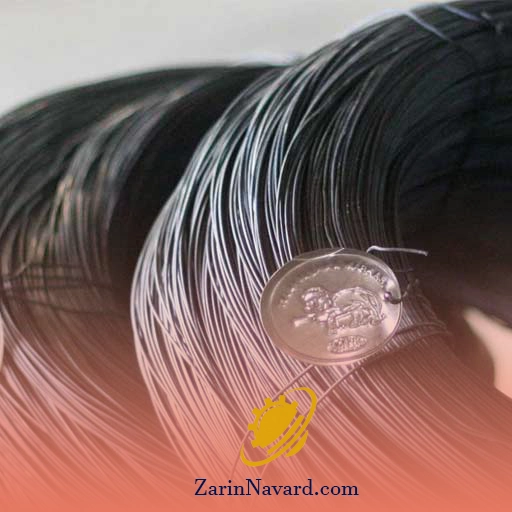
Rebar tie wire is a type of soft steel wire used for tying and securing rebars in reinforcement mesh. This wire is usually produced from black annealed wire so that it has high flexibility and can be easily twisted around rebars.
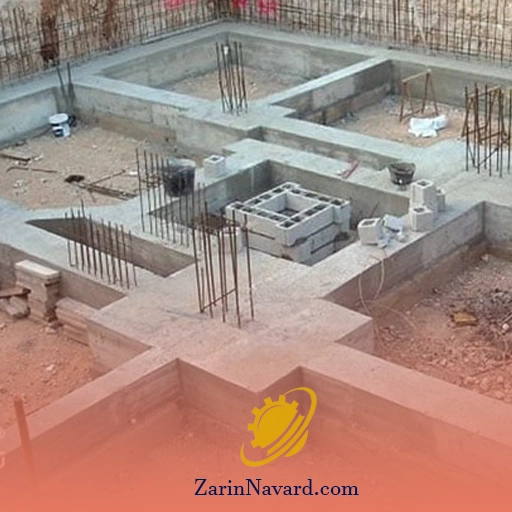
In the reinforcement process, rebars must be positioned exactly according to the structural engineer's design. If these rebars move before concrete pouring, the strength of the structure decreases. That is why the use of rebar tie wire is essential for keeping them fixed.
Why Is Reinforcement Work Done in the First Place?
Concrete is highly resistant to compression, but it has low resistance to tension. To compensate for this weakness, steel rebars are used inside the concrete.
The combination of concrete and rebar creates a structure that has high resistance to both compressive and tensile forces. Rebar tie wire plays a holding role here and keeps the rebars fixed in place until the concrete hardens.
Why Is steel wire Used in Reinforcement Work?
Key Takeaway: Steel wire is the best option for temporary rebar connections in reinforcement work because of its high flexibility, execution speed, and low cost.
Fixing the Position of Rebars
During concrete pouring, the pressure of fresh concrete can cause rebars to shift. If rebars move, the designed spacing is disturbed and the structural strength decreases.
Rebar tie wire prevents this displacement by creating connections between rebars and keeping the reinforcement mesh stable.
High Execution Speed
One of the most important reasons for using steel wire in reinforcement work is its high execution speed. Rebar workers can create a large number of ties in a short time.
This is especially beneficial in large construction projects, as it reduces execution time and labor costs.
What Is the Best Type of Wire for Reinforcement Work?
Key Takeaway: The best option for reinforcement work is black annealed wire because it is soft, flexible, and suitable for fast tying on rebars.
Introduction to black annealed wire
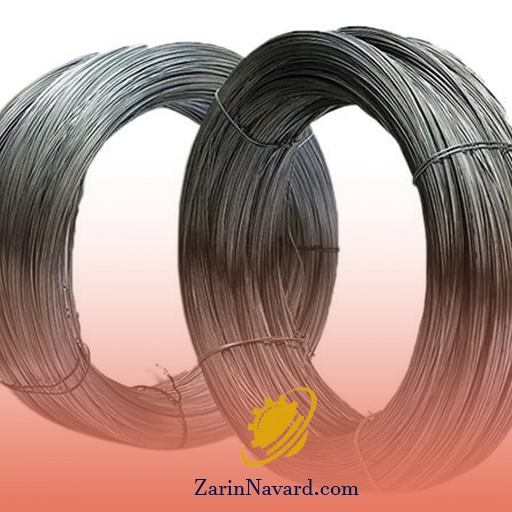
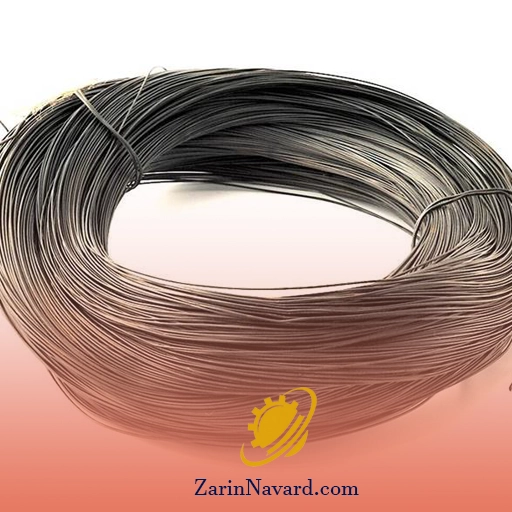
In the construction market, the most common type of wire for tying rebar is black annealed wire. This wire is softened through a special heat treatment process, which makes it easy to bend and tie.
Compared to other types of wire, this type has the lowest probability of breaking during work.
Why Is Black Annealed Wire Suitable for Reinforcement Work?
Key Takeaway: The annealing process softens the steel and increases the wire's flexibility, making it ideal for tying in reinforcement work.
High Flexibility
One of the most important features of black wire is its high flexibility. This feature allows the rebar worker to bend the wire several times without it breaking.
Easy Tying Without Breaking
When working with rebar tying pliers, the wire must be twisted quickly. If the wire is too dry or hard, it breaks during twisting.
Annealed wire does not have this problem because of its soft structure and ties easily.
Standard Sizes of Rebar Tie Wire
Key Takeaway: The most common size of rebar tie wire in construction projects is 1.5 mm diameter.
Common Sizes in the Market
Several sizes of rebar tie wire are available in the Iranian market, the most important of which are:
• 1.2 mm wire
• 1.5 mm wire
• 1.8 mm wire
Among these, 1.5 mm wire is the most widely used in construction projects.
Why Is 1.5 mm the Most Common Size?
This size provides a good balance between strength and flexibility. It is strong enough to hold rebars in place and at the same time can be tied easily.
Technical Points for Choosing High-Quality Rebar Tie Wire
Key Takeaway: High-quality rebar tie wire should have uniform thickness, suitable flexibility, and minimal rust.
Uniform Wire Diameter
One of the signs of high quality in rebar tie wire is the uniformity of its diameter throughout the entire length. Low-quality wires usually have thickness fluctuations.
Checking the Surface and Rust
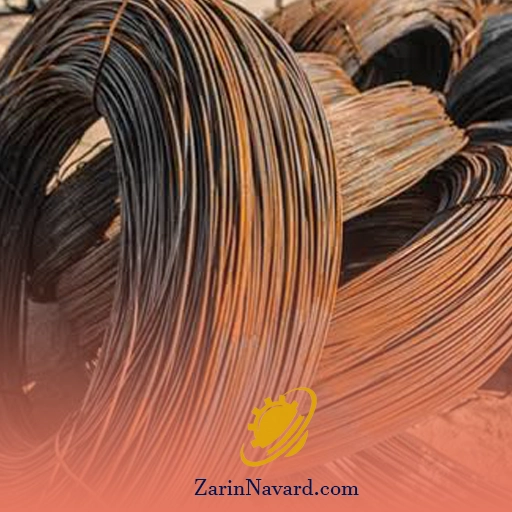
Heavy rust may indicate poor storage conditions or low wire quality. High-quality wire has a relatively smooth and uniform surface.
Methods of Tying Rebar (Manual or Machine)
Key Takeaway: Reinforcement tying can be done using manual pliers or automatic tying machines.
Manual Method with Rebar Tying Pliers
The most common method in construction projects is using rebar tying pliers. In this method, the wire is wrapped around the rebar and tightened with a quick movement.
Using a Tying Machine
In large industrial projects, automatic wire tying machines are used. These machines increase work speed and reduce the physical pressure on workers.
Factors Affecting the Price of Rebar Tie Wire
Key Takeaway: The price of rebar tie wire mainly depends on weight, steel quality, and iron market conditions.
Raw Material Quality
The better the quality of the primary steel, the greater the durability and flexibility of the produced wire.
Wire Coil Weight
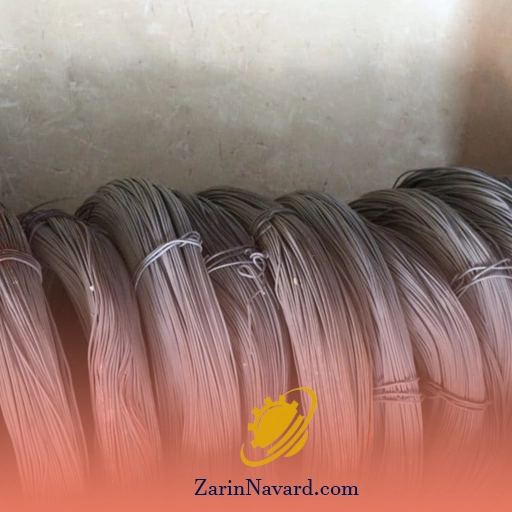
Rebar tie wire is usually sold in coils, and its price is calculated based on weight.
The Difference Between Rebar Tie Wire and Other Types of Wire
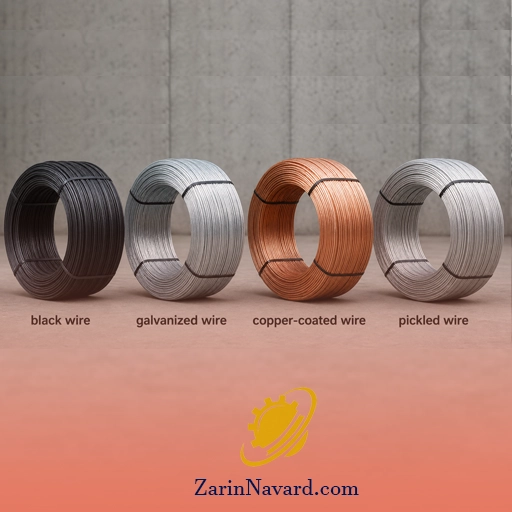
Key Takeaway: Rebar tie wire is softer than galvanized and copper-coated wire and is specifically designed for fast tying.
Difference from galvanized wire
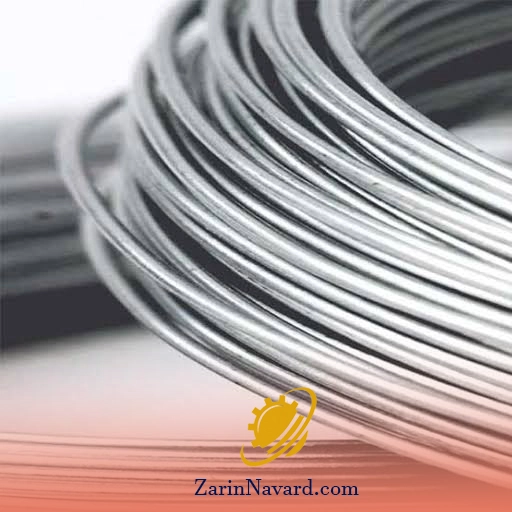
Galvanized wire is designed for corrosion resistance, but its flexibility is lower than that of annealed wire.
Difference from copper-coated wire
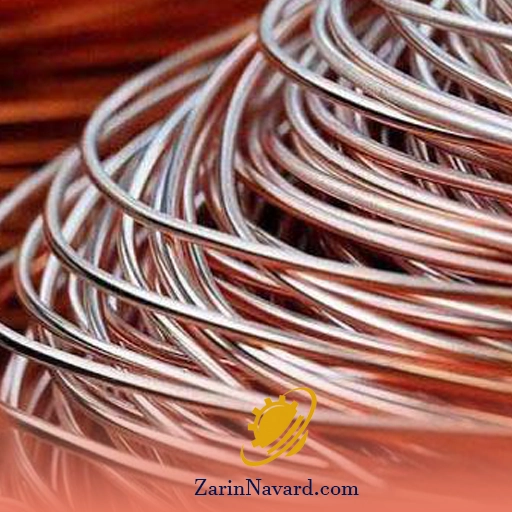
Copper-coated wire is used more in packaging industries and mesh production, and it is not a common option for reinforcement work.
Safety and Practical Tips for Using Rebar Tie Wire
Key Takeaway: Observing safety measures when working with rebar tie wire helps prevent hand and eye injuries.
Using Work Gloves
Steel wires can cause cuts on the hands. The use of safety gloves is essential.
Collecting Excess Wire Ends
After tying the knots, the extra wire ends should be bent or shortened to reduce the risk of injury to workers.
Frequently Asked Questions About Buying and Choosing Rebar Tie Wire
Question: What is the best wire for tying rebar?
Answer: In most construction projects, black annealed wire is used because it has high flexibility and good knotting capability.
Question: What is the most commonly used size of rebar tie wire?
Answer: 1.5 mm wire is the most common size in construction projects because it provides a good balance between strength and flexibility.
Question: Does rebar tie wire rust?
Answer: Yes, since it is usually black wire, it may develop surface rust after prolonged contact with moisture.
Question: How is rebar tie wire sold?
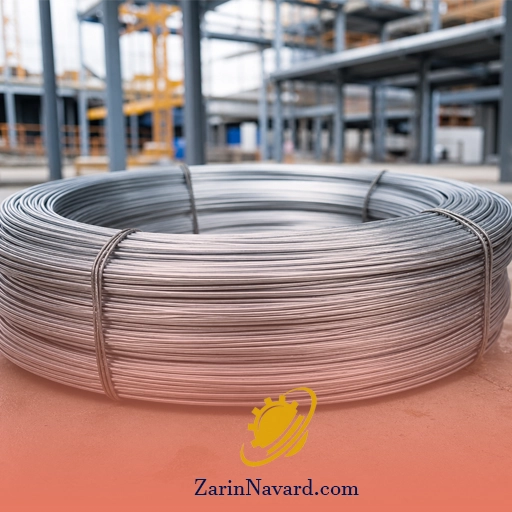
Answer: This wire is usually supplied in coils and sold in the market based on weight (kilograms).
Question: Can galvanized wire be used for reinforcement work?
Answer: Technically it is possible, but due to its higher price and lower flexibility, black annealed wire is usually used instead.