Wire Application in Agriculture; A Complete Guide to Selection, Installation, and Purchase
wire applications in agriculture
What are the applications of wire in agriculture?
Key Takeaway: Wire in agriculture is used for demarcation, bracing, protection, and organizing open spaces, and is one of the most economical executive tools on the farm and in the garden.
The role of wire in protecting land, gardens, and farms
Agricultural lands are always exposed to animal entry, environmental damage, and sometimes unauthorized foot traffic. Wire is the main base for constructing mesh, fencing, and protective barriers and directly increases the security of garden and farm boundaries.
Why is wire widely used for open and agricultural environments?
Agricultural environments face wind, rain, sunlight, and constant temperature changes. Galvanized agricultural wire, due to its high durability in these conditions, is a reliable option for long-term use.
Difference between wire application in agriculture and construction
In construction, the focus is more on softness and knotting speed, but in agriculture, the primary priority is resistance to moisture and rust. For this reason, selecting wire for outdoor spaces must be done with greater care.
Application of wire in gardens, lands, and farms
Key Takeaway: Wire in gardens and farms is the most economical way for demarcation, fencing, and increasing security.
Using wire for creating boundaries and demarcating land
For vast lands where wall construction is too expensive, using wire along with metal or concrete posts is a quick, low-cost, and viable solution.
Application of wire in installing fences and mesh
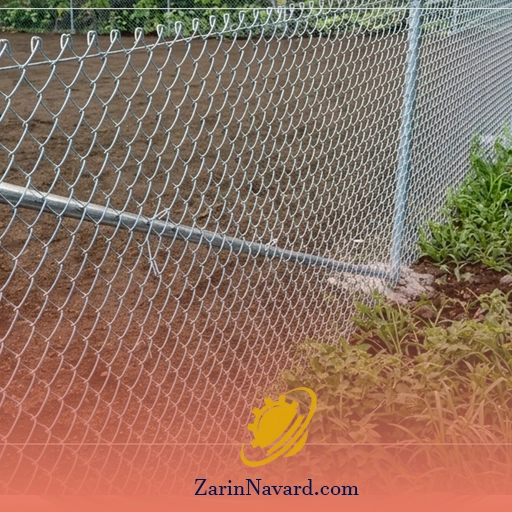
In fencing, wire is used as a retaining and bracing wire for the mesh on the posts so that the mesh does not become loose over time and maintains its stability.
The role of wire in preventing the entry of animals and unauthorized persons
By implementing dense fencing and using barbed wire or dense mesh, a secure boundary can be created to prevent the entry of animals or intrusive factors.
Application of galvanized wire in agriculture
Key Takeaway: Galvanized wire, due to its anti-rust coating, is the best choice for open spaces, moisture, and constant irrigation.
Resistance of galvanized wire against moisture and rust
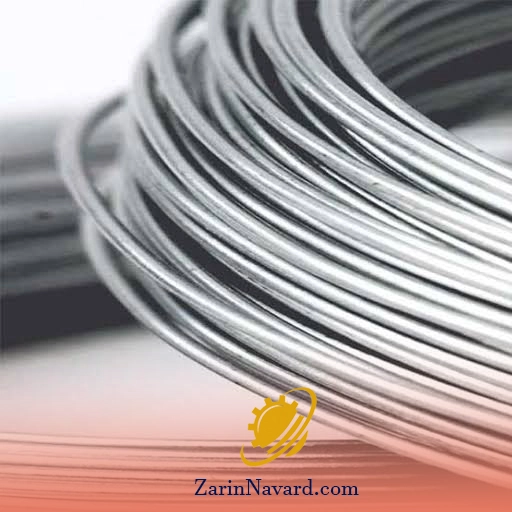
Rainwater, soil moisture, and irrigation systems are the most important factors damaging regular wire. Galvanized agricultural wire, with its zinc protective layer, is more durable against these conditions.
Using galvanized wire in rainy and humid regions
In northern regions, humid greenhouses, and lands near water, the application of galvanized wire in open spaces is very important, as uncoated wire corrodes very quickly.
Why is galvanized wire more suitable for open spaces?
The galvanized coating causes the wire to perform better against moisture, abrasion, and sunlight. This feature significantly increases its useful life in agricultural projects.
Application of wire in gardening and plant maintenance
Key Takeaway: In modern gardening, wire is very practical for guiding plant growth and implementing fruit trellises.
Tying and guiding tree branches and climbing plants
Climbing plants and shrubs need support to grow correctly. By using wire to tie tree branches, one can control the growth path and prevent branch breakage.
Using wire in grape trellises and fruit trees
One of the most widely used cases is wire for grape trellises. The wire must bear the weight of branches and clusters while not sagging under constant tension.
The role of wire in organizing crop rows and gardens
By pulling organized wire lines, crop rows are standardized, and pruning, spraying, and harvesting operations are performed with greater speed and accuracy.
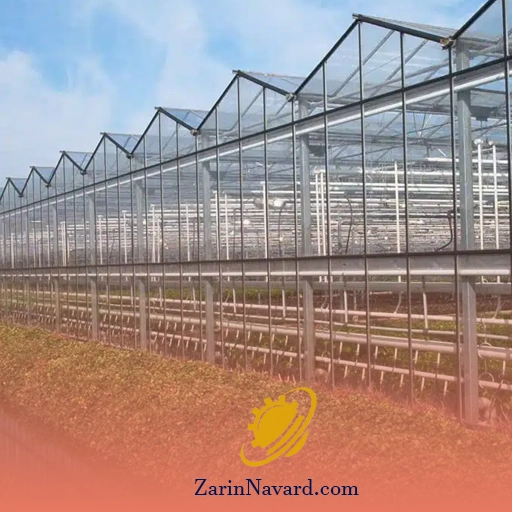
Application of wire in greenhouses
Key Takeaway: In greenhouses, wire is used for holding covers, hanging plants, and stabilizing light structures.
Using wire for bracing greenhouse covers
Nylon and greenhouse covers are vulnerable to wind. Pulling galvanized wires over the cover prevents billowing and tearing.
Connecting and maintaining light greenhouse structures
In temporary structures or internal parts of the greenhouse, wire is used for connecting peripheral parts and stabilizing light components.
Application of wire in hangers, hooks, and plant holders
For cultivating products like tomatoes, cucumbers, and peppers, wire hangers are used to keep the plants held up so the product does not remain on the ground.
Application of wire in livestock and poultry farming
Key Takeaway: Wire in livestock and poultry farms is a practical and low-cost tool for cage building, fencing, and emergency repairs.
Using wire for caging and space separation
For building livestock and poultry cages or separating different sections, wire meshes of various sizes are used to maintain environmental order.
The role of wire in building livestock and poultry fences
For keeping domestic animals and preventing their escape, wire mesh walls are one of the most economical and resistant choices.
Application of wire in quick repairs and temporary connections
In livestock environments, quick repair of damaged doors, cages, and fences is necessary, and wire performs this task in the shortest time possible.
Types of wire suitable for agriculture
Key Takeaway: The type of wire should be selected based on the permanence or temporariness of the work and the humidity level of the environment.
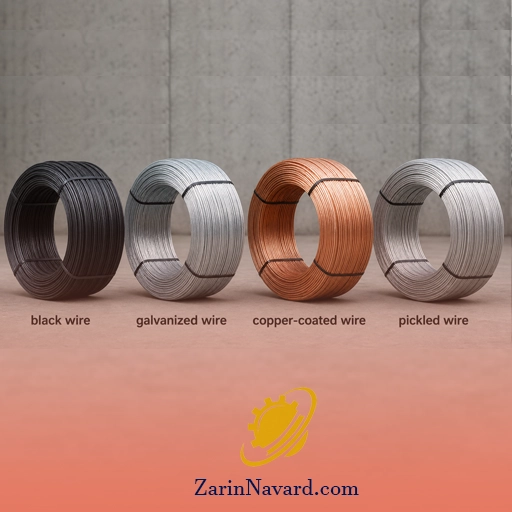
Galvanized wire for open spaces
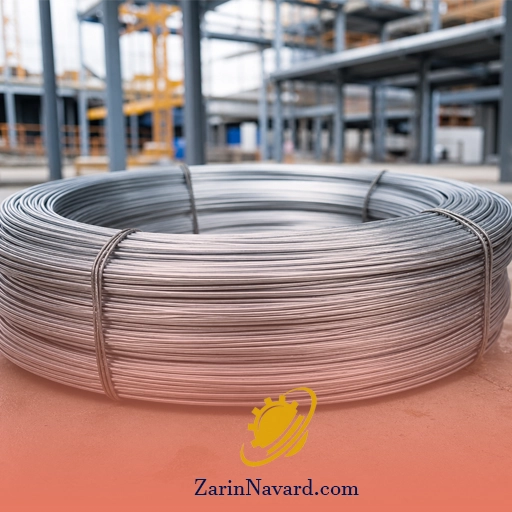
The best choice for gardens, farms, and open spaces is galvanized wire, which is both highly durable and resistant to corrosion.
Black annealed wire for temporary and indoor applications
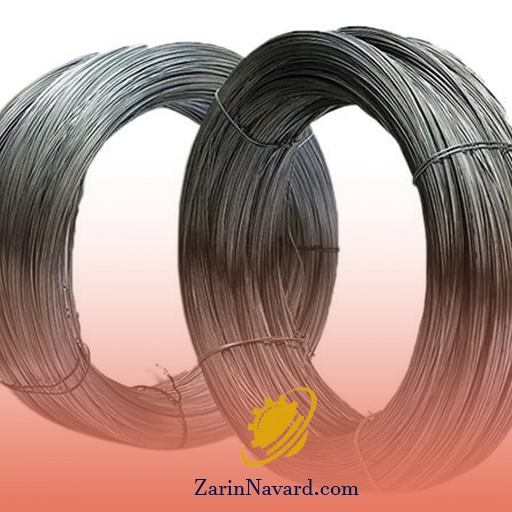
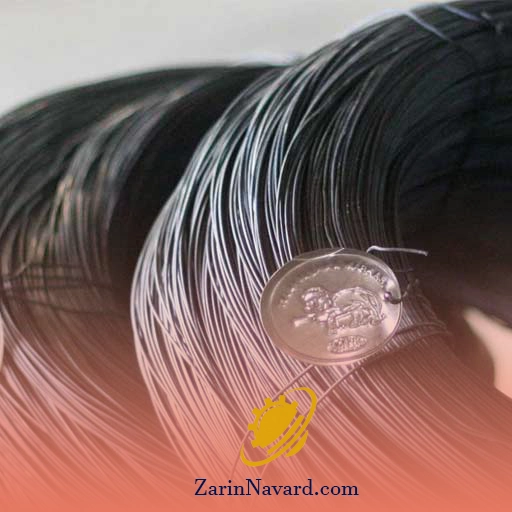
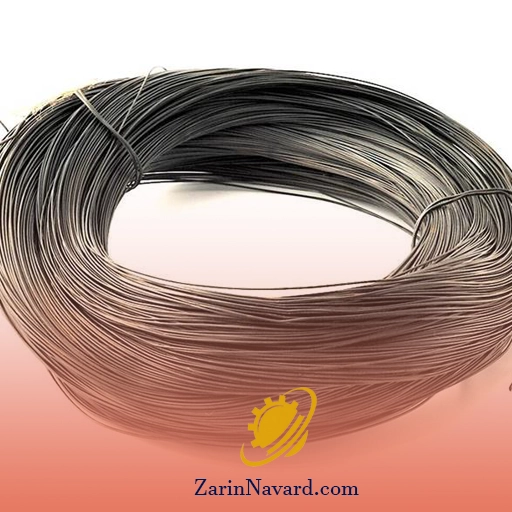
If your work is temporary and indoors, black annealed wire is a more economical option, but it is not recommended for open and humid spaces.
Barbed wire and mesh made of wire
Many protective products such as barbed wire and mesh are made of wire and play an important role in land protection.
| Wire Type | Main Advantage | Suitable Application |
|---|---|---|
| Galvanized Wire | High resistance to moisture | Fencing, Greenhouse, Garden |
| Black Wire | Economical price | Temporary and indoor tasks |
| Barbed Wire | More security | Border protection |
| Mesh | Wide coverage | Garden and farm fencing |
Important features of wire for agricultural applications
Key Takeaway: Suitable agricultural wire must be rust-proof, flexible, and have sufficient tensile strength.
Resistance to moisture, rain, and temperature changes
Rust-proof wire must be able to maintain its performance in summer and winter without loss of quality or cracking of the coating.
Suitable flexibility for tying and forming
The wire should not be so rigid that it breaks when knotted. Controlled softness increases work speed and reduces fatigue of executive personnel.
Sufficient tensile strength for bracing and maintenance
In fencing and trellising, the wire is under constant pressure. If it does not have sufficient strength, it will loosen or break over time.
Application of wire in installing and reinforcing fences
Key Takeaway: Wire in fencing acts like the backbone of the barrier and gives it stability.
Using wire for tensioning and bracing mesh fencing
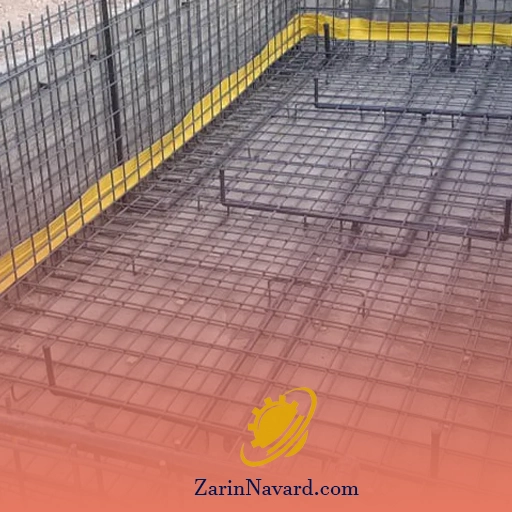
To prevent mesh sagging, usually one or two strands of galvanized wire are pulled at the top and bottom of the mesh to keep the fence firm.
The role of wire in connecting fences to posts
Protective mesh needs wire fasteners to remain fixed on metal or concrete posts so it does not shift under wind and impact.
Application of wire in restoring and reinforcing old fences
If part of a fence is damaged, it can be restored with a few strands of wire, reducing the need for complete fence replacement.
Common mistakes in using wire for agriculture
Key Takeaway: Choosing the wrong type or thickness of wire can increase project execution costs and reduce structure lifespan.
Using black wire in humid and open environments
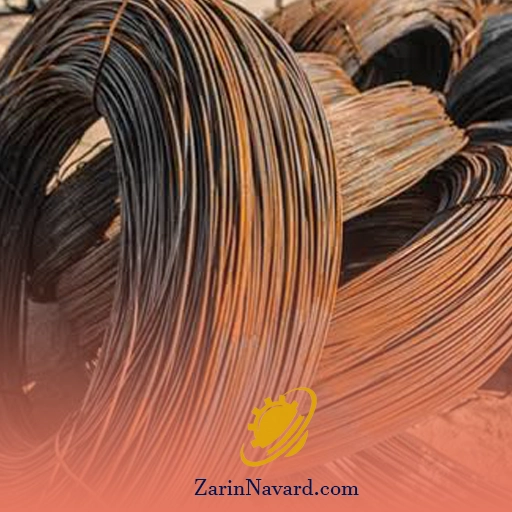
The biggest error is using uncoated black wire outdoors. This wire rusts very quickly and loses its efficiency.
Selecting unsuitable diameter for fencing or trellis
Thin wire breaks under pressure and wind, and overly thick wire makes installation difficult and time-consuming. Diameter selection should be proportional to the task.
Neglecting tension, post distance, and pressure on the fence
If the distance between posts is large or the wires are not tensioned correctly, the fence will sag and lose its protective function.
Conclusion on wire applications in agriculture
Key Takeaway: Success in gardens, farms, greenhouses, and livestock farming is largely dependent on choosing the right galvanized wire and its principled implementation.
Best applications of wire in gardens, farms, and greenhouses
- Land border fencing
- Grape trellises and fruit trees
- Bracing nylon and greenhouse covers
- Building cages and livestock/poultry fences
- Restoring and reinforcing old fences
Which type of wire is more suitable for open spaces and agriculture?
For most outdoor projects, hot-dipped galvanized wire is the best choice because it is both moisture resistant and has a longer lifespan. If you are looking for a reliable purchase for your garden, agricultural land, or greenhouse, choosing the right wire can significantly reduce future maintenance costs.
Frequently Asked Questions
Question: What is the best wire for gardens and agricultural land?
Answer: Hot-dipped galvanized wire is the best option for gardens and agricultural land due to its high resistance to moisture, rust, and sunlight.
Question: Why should black wire not be used outdoors?
Answer: Because black wire has no anti-rust coating and oxidizes quickly due to rain and moisture, and has low durability.
Question: What type of wire is suitable for grape trellises?
Answer: For grape trellises, galvanized wire with appropriate thickness is usually used to bear the weight of branches and not sag.
Question: What is the role of wire in fencing?
Answer: Wire is used as a bracing and tensioning wire for mesh fencing, causing the fence not to loosen and maintain its stability.
Question: What is the application of wire in greenhouses?
Answer: In greenhouses, it is used for bracing covers, building plant hangers, stabilizing light structures, and maintaining connections.
Question: What factors are important in selecting agricultural wire?
Answer: Resistance to moisture, wire diameter, flexibility, tensile strength, and coating type are among the most important selection factors.