Comprehensive Guide to Wire Rod Standards and Sizing in Iran
wire rod size guide and standards for black annealed wire
Why is knowing wire standards and sizing critical before purchasing?
Key Takeaway: Choosing the wrong wire size increases labor costs, material waste, and reduces the security of connections in construction structures.
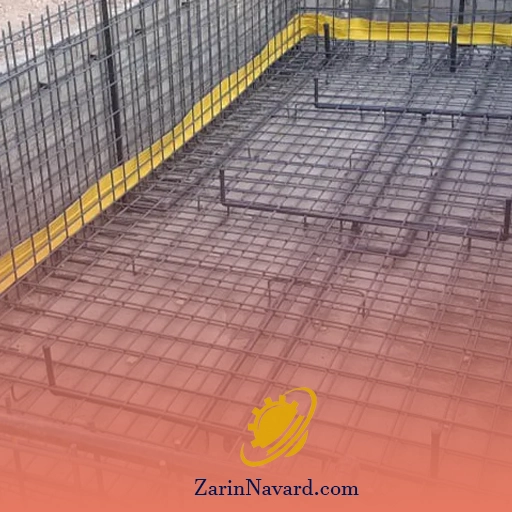
Many contractors assume wire is just a simple string; but the reality is that using an unsuitable size can affect the entire project. When the wire is too thick, the tying speed decreases and a lot of pressure is put on the rebar worker's hands. On the other hand, wire that is too thin has the potential to break during concrete pouring.
The impact of size on project costs
Using wire that is thicker than necessary means paying for weight that provides no additional utility for you.
Security of construction connections
Standard sizing means ensuring that the rebar knot correctly maintains the connection of the rebars throughout the project duration.
Wire standard in the Iranian market; what are the quality recognition criteria?
Key Takeaway: The quality of black wire is determined by compliance with national standards (ISIRI) in the annealing process and control of the steel carbon percentage.
A high-quality wire should have diameter uniformity along the entire coil. Iran's national standards emphasize parameters such as tensile strength, softness, and carbon percentage. These standards ensure that the wire does not crack or break during work.
Domestic and global standards
Top manufacturers usually offer their products according to ISIRI standards, which indicate strict adherence to engineering principles.
Carbon control and wire quality
The carbon content in black wire determines its softness. The right standard ensures your black wire is very soft and flexible while maintaining strength.
Wire sizing; common thicknesses and the application of each
Key Takeaway: Wire sizing starts from 0.5 mm diameters for delicate tasks and continues to over 6 mm for heavy applications.
Sizes are usually categorized based on the wire cross-section diameter (in millimeters):
0.5 to 1 mm sizes: Special for mesh weaving industries and very delicate packaging.
1 to 2.5 mm sizes: This range is the golden range for construction and rebar tying.
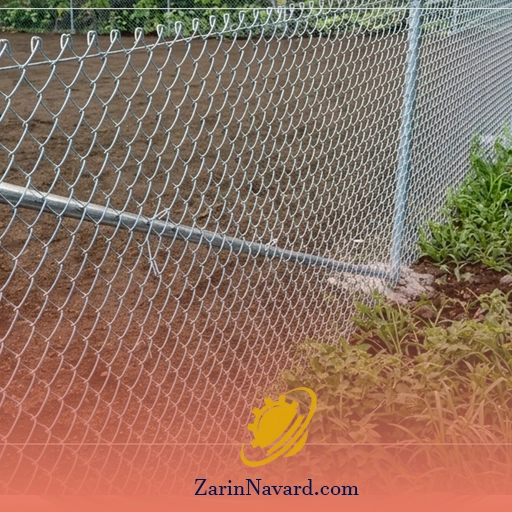
3 to 6 mm sizes: For building fences, guards, and large industrial parts that require higher strength.
Diversity in wire diameter
As the diameter increases, the hardness of the wire increases and its application shifts towards heavy industrial fields.
Black wire; most common sizes and technical features
Key Takeaway: Black wire with common sizes of 1.5 and 2 mm is the undisputed champion of rebar tying and construction due to the annealing process.
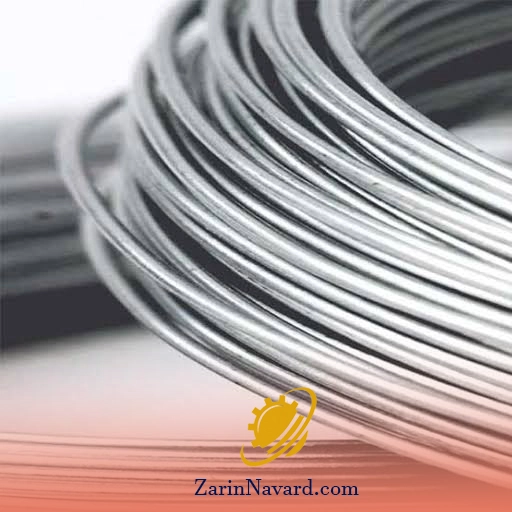
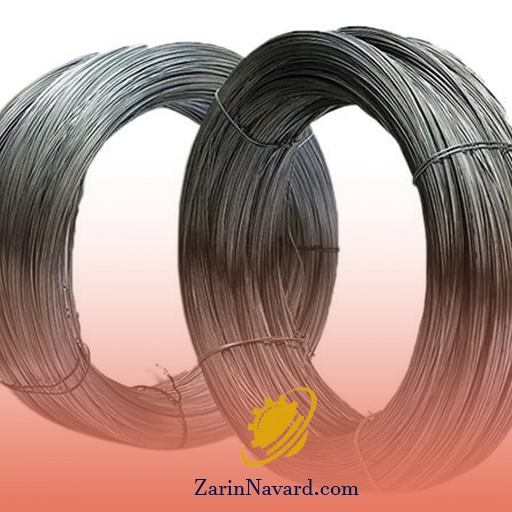
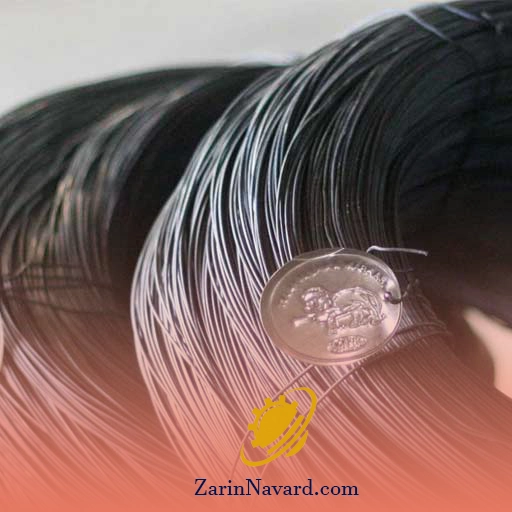
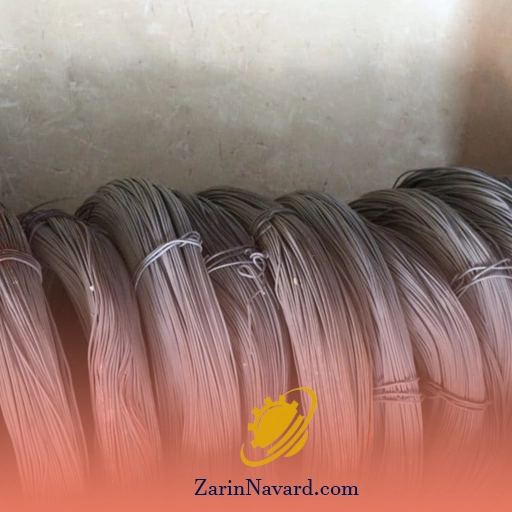
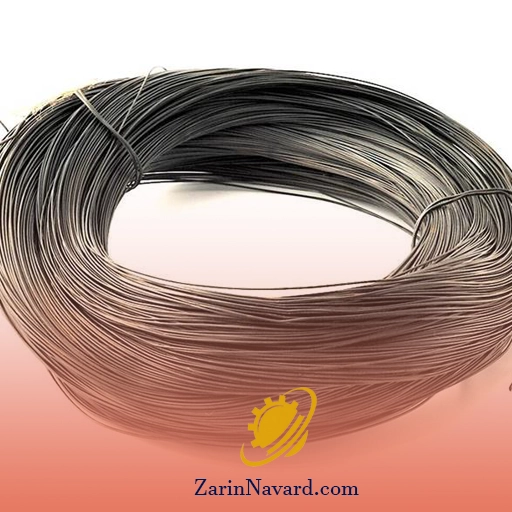
Black wire is particularly popular among all types. The reason is its simplicity in use. When we talk about sizing, 1.5 mm black wire is the best-selling product for rebar workers because it has exactly the flexibility needed for twisting with pliers.
Why is black wire the market champion?
This wire is not only cheap, but because of the heat treatment, it does not cut the rebar worker's hand and has extraordinary resistance to twisting.
1.5 mm size; the standard everyone knows:
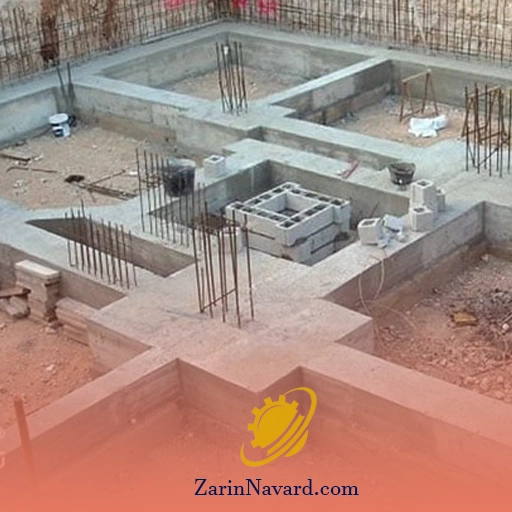
This size is recognized as the standard size for tying in all concrete structures.
Weight table and wire sizing (Quick selection guide)
Key Takeaway: Use this table to estimate the required weight and prevent calculation errors in purchasing.
|
Wire Diameter (mm) |
Main Application |
|---|---|
|
0.5 |
Chicken wire and industrial mesh |
|
1 |
Light packaging |
|
1.5 |
Rebar tying and construction |
|
2 |
Formwork and heavy-duty |
|
3 |
Fencing and parts manufacturing |
|
4 to 6 |
Heavy industrial sectors |
The impact of choosing the right size on reducing project costs
Key Takeaway: Buying the exact wire size reduces waste and increases project execution speed.
When the wire is chosen exactly based on project needs, rework is prevented. For example, using size 2 for small rebar tying only increases your cost without providing any benefit.
What standards is black wire produced with?
Key Takeaway: The annealing process in special furnaces turns dry and hard wire into a soft and flexible product.
In this process, black wire is placed in thermal furnaces with controlled temperatures. This changes the molecular structure of the steel and makes it ideal for tying in construction.
Differences between factory-made and drawn wire in sizing
Key Takeaway: Factory-made wire is produced from high-quality wire rods and is more accurate in sizing, but drawn wire is more economical.
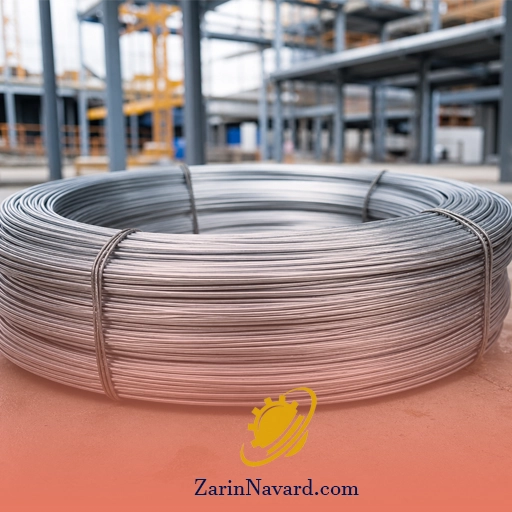
Factory-made wire is produced directly from thin rebar rolling, while drawn wire is obtained from re-drawing thicker wires. For sensitive construction work, the quality of factory-made wire is always a priority.
Guide to choosing the best size of wire for rebar tying and formwork
Key Takeaway: For rebar tying, 1.5 mm size creates the best balance between weight and strength.
Formwork usually requires slightly thicker sizes like 2 or 2.5 to withstand concrete pressure during molding.
Golden tips when buying wire; how to recognize high-quality material?
Key Takeaway: High-quality wire has a uniform surface, no rust, and no peeling, and does not break easily when bent.
Always test one coil before bulk buying. The wire should bend easily and not spring back (it should not have excessive springy property).
Frequently asked questions about wire standards
Question: What is the best wire size for rebar tying?
Answer: 1.5 mm size is the best option due to its excellent balance in flexibility and strength.
Question: What is the difference between annealed wire and dry wire?
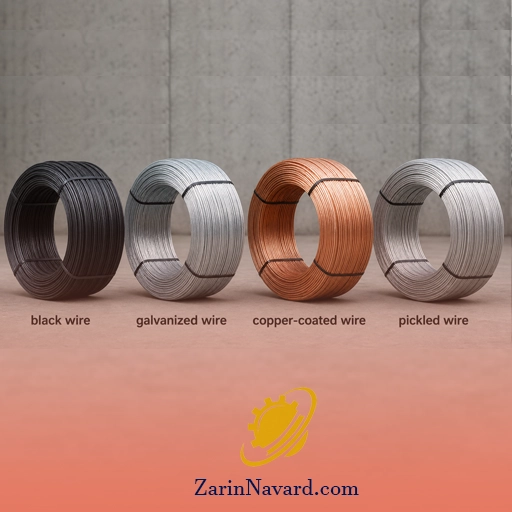
Answer: Annealed wire (black) is baked and soft, but dry wire is used for decorative work or mesh.
Question: Does sizing affect the price of wire?
Answer: Yes, thinner wires usually have a higher price per weight due to the need for more drawing stages.
Question: Is the weight of coils standard?
Answer: Usually coils are between 25 to 50 kg, but for bulk orders, you can request the desired weight.
Question: How to identify rusted black wire?
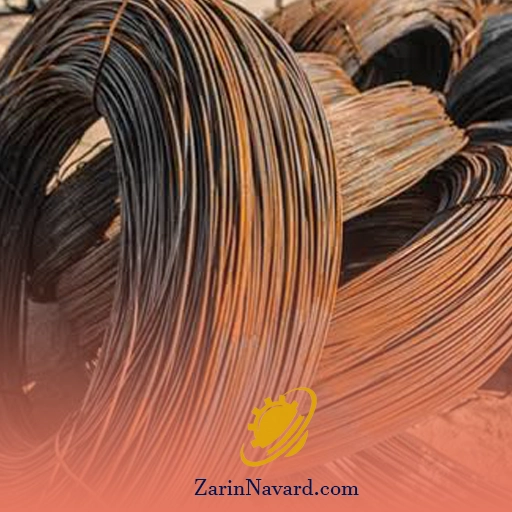
Answer: There should be no brown or red particles visible on the wire surface; the black wire surface should be uniform and dark.
Conclusion; how to order the right black wire for your project?
Key Takeaway: Contact our experts for professional advice and to buy black wire with real standards.
Choosing the correct wire sizing can be the difference between a successful project and a costly one. If you are still hesitant about choosing the right size for your project, contact us now so we can offer the best suggestion based on your implementation plan. We are by your side to have a quality and economical purchase.