Full Guide to Black Annealed Wire for Formwork; Specifications and Executive Tips
black annealed wire for formwork and concrete shuttering
Formwork is one of the first and most sensitive stages in the construction of concrete structures. Formwork tie wire is responsible for keeping panels connected and supporting the weight of wet concrete until final setting.
Key Takeaway: The main role of black wire in formwork is to neutralize the lateral pressure of wet concrete and keep wooden or metal formwork panels fixed.
Concrete Formwork and the Importance of Bracing with Tie Wire
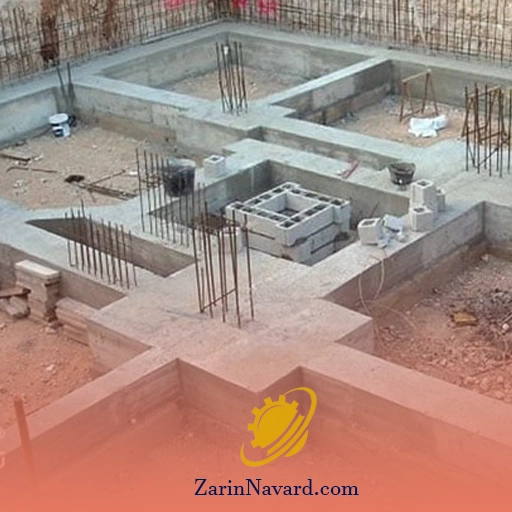
When concrete is pumped into forms, it exerts heavy lateral pressure on the walls. Tying formwork with tie wire ensures panels remain in place and the formwork does not open up.
Why is Black Annealed Wire the best option for formwork?
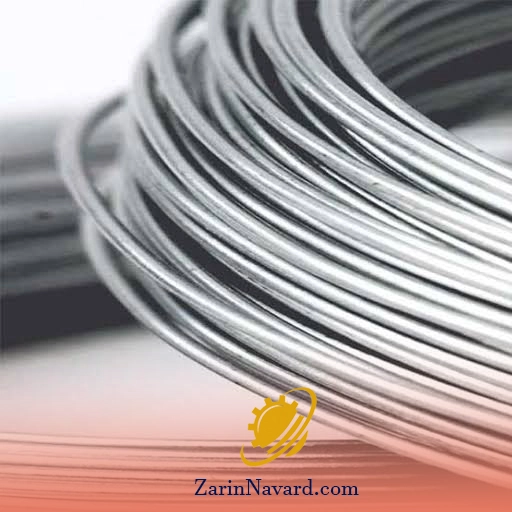
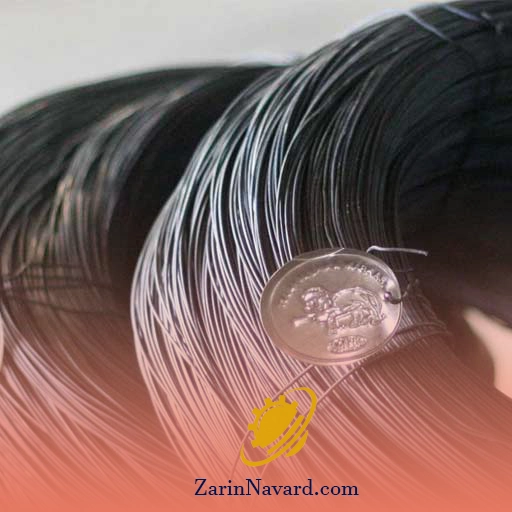
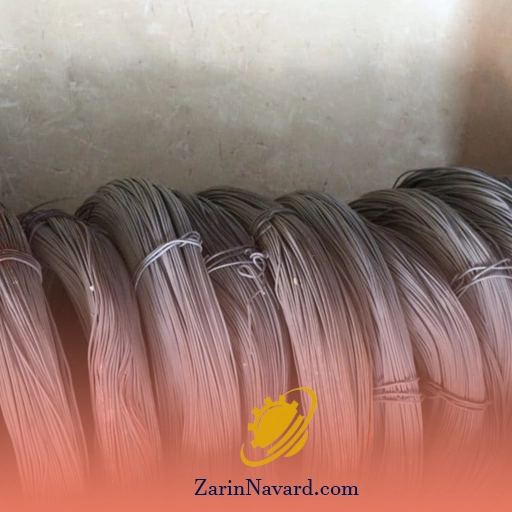
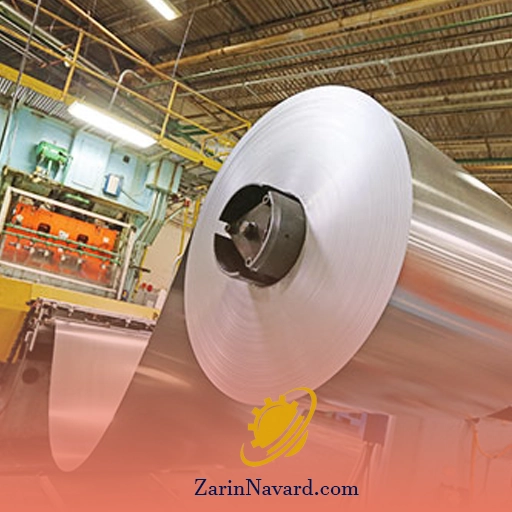
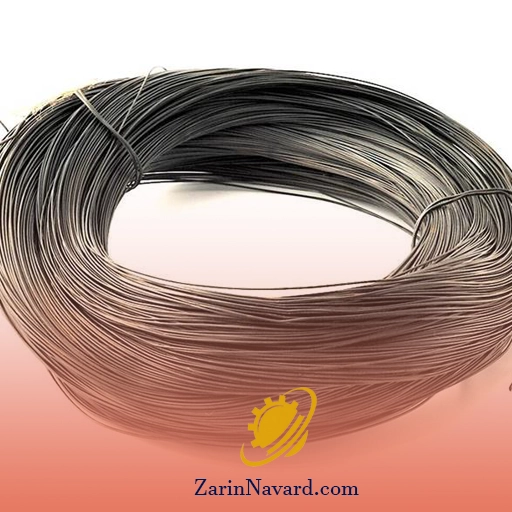
Annealing is a thermal process during which the hardness of the wire is removed, imparting extraordinary softness to the wire. This feature allows the annealed formwork wire to be knotted and pulled under extreme pressure without breaking. To learn about other features of thermal wires, you can read our article on types of wire.
Difference between formwork wire and rebar tying wire in the workshop
Many people confuse these two products. Rebar tying wire usually has a smaller diameter and is used to fix rebar, whereas formwork wire is thicker and tasked with bearing heavier loads of the formwork wall. For a closer look, you can read our article on the difference between rebar tying wire and regular wire.
Suitable size of Black Wire for Formwork
Key Takeaway: The thickness of formwork wire must be chosen proportional to the volume of concrete pouring; 2.5, 3, and 4mm sizes are the most commonly used.
Application of 2.5mm black wire in formwork bracing
The most well-known size in construction workshops is 2.5mm black wire. This size has excellent flexibility with pliers and is perfect for bracing column forms and small-to-medium walls.
Application of 3mm and 4mm black wire for heavy projects
In larger projects where the volume of concrete pouring is high, there is a need for greater strength. In these cases, using 3mm or 4mm black wire is recommended for safer bracing.
Why should thinner wires (like 1.5mm) not be used in formwork?
Thinner wires like 1.5mm do not have the necessary tensile strength. Using them to tie formwork severely increases the risk of wire breakage and concrete formwork blowout.
Methods of using black wire in formwork
Key Takeaway: How the wire is knotted and tied directly affects the stability of the formwork system.
How to knot and pull formwork wire to brace concrete pressure
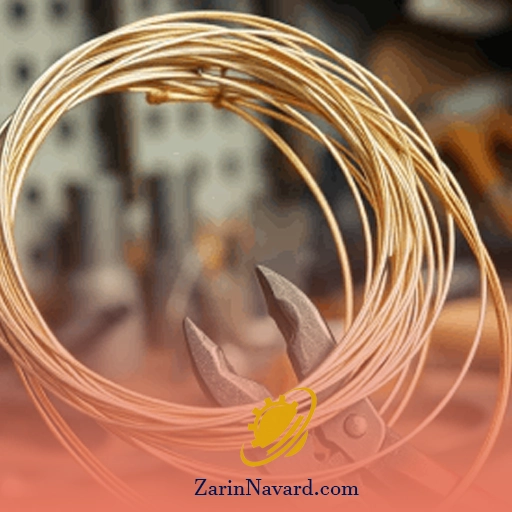
Workers use pliers to wrap the concrete formwork tie wire around backers or support pipes and tighten it to a specific point to remove any slack between the forms.
Using black wire in wooden formwork
In traditional wooden formwork, the use of black wire is very prominent; because wood does not have the rigidity of metal on its own, and the wire plays the key role of a connecting chain.
Application of formwork wire in metal formwork systems
In metal systems, although pins and wedges are used, in angles, corners, and specific connecting sections, tying formwork with wire is still necessary for the final fixing of components.
Technical specifications of black wire suitable for formwork
Key Takeaway: Three key characteristics of quality formwork wire are: high tensile strength, excellent flexibility, and resistance to tearing with pliers.
Importance of high tensile strength to withstand concrete hydrostatic pressure
The tensile strength of black wire must be sufficient so that it does not fail under sudden hydrostatic impacts when concrete is vibrated.
Required softness and flexibility in the annealing process
The cooking or annealing process must be done uniformly in the furnace so that the wire has uniform softness throughout the coil and does not twist or become stiff during knotting.
Resistance to tearing when tightening knots with pliers
Poor quality wires are cut at the knot site when tightened with pliers. Standard wire must allow the worker to pull the wire as needed without worrying about breakage.
Advantages of using standard black wire in structural formwork
Key Takeaway: Using standard wire ensures precise structural dimensions and high assembly speed.
Maintaining precise dimensions of columns and beams during concrete pouring
When the tie wire does not slacken, the designed dimensions of columns and beams are perfectly maintained, and the phenomenon of concrete "belly" is prevented.
Preventing the phenomenon of "formwork blowout" or deformation
Concrete formwork blowout not only causes severe material waste but can also endanger the safety of workers in the workshop. Standard wire is a barrier against this accident.
Increasing speed of assembly and disassembly of formwork system
Due to the flexibility and softness of annealed formwork wire, workers create knots faster and find it easier to cut and open them after the work is finished.
Common mistakes in executing formwork with black wire
Key Takeaway: Using non-annealed wire or weak knotting are the most common mistakes in workshops.
Using non-annealed (hard and brittle) wire
Hard wires break immediately under sudden tensile pressure instead of stretching, and are very dangerous for formwork work.
Tying weak knots or excessive tension leading to wire breakage
Over-tightening with pliers creates a thin cross-section in the wire, causing it to break prematurely during concrete pouring.
Inappropriate spacing of braces and incorrect distribution of concrete pressure
If the number of wire braces is low, pressure is concentrated at one point, causing the form to break or deform.
Comparison of formwork black wire with other formwork bracing methods
Key Takeaway: Tie wire is considered the most economical method of formwork bracing in small and medium projects.
Comparison of black wire performance with metal and plastic tie bolts
Bolts have very high strength, but their purchase and implementation costs are high. Tie wire provides a cheaper and faster foundation.
When is the simultaneous use of tie wire and bolts mandatory?
In high shear walls or water tank walls, concrete pressure exceeds the capacity of wire alone, and both bolts and concrete formwork tie wire must be used simultaneously.
Economic and technical justification for using black wire in medium and small projects
In ordinary urban construction, using formwork tie wire instead of all-bolt systems has a very high economic justification and increases work progress speed.
Maintenance and usage guide for black wire in construction workshop
Key Takeaway: Protecting wire coils against moisture preserves their quality and efficiency during use.
Preventing severe wire rusting before formwork
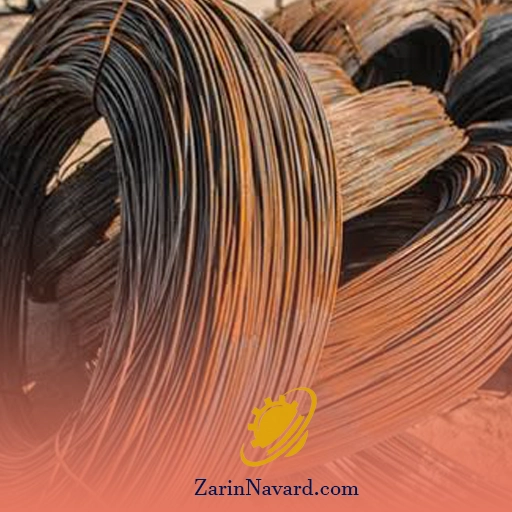
Although surface rust does not cause problems, severe oxidation reduces the tensile strength of black wire. It is better to store coils on pallets and under covers.
Principles of warehousing and working with formwork wire coils
Coils must be kept away from soil and workshop contaminants so they do not knot when opened and work proceeds smoothly.
Effect of wire quality on ease of formwork separation after concrete pouring
High-quality wires are cut more easily after concrete pouring and leave less residue on the concrete body, which helps improve the aesthetic quality of the structure.
Conclusion; Role of black wire in concrete pouring and formwork safety
Key Takeaway: Adhering to engineering principles in selecting and executing concrete formwork tie wire guarantees the health of the structure and the safety of the executive team.
Inspection checklist for formwork wires before concrete pouring
- Wire diameter control (use 2.5mm size or larger)
- Checking for absence of corrosion and deep decay on the wire
- Ensuring correctness of knots and tightness of braces
- Controlling proper distribution of wire spacing around formwork
Direct effect of selecting suitable wire on the final quality of concrete structure
Purchasing and using high-quality and standard structural formwork wire prevents concrete deformation and ultimately delivers a level and safe structure. If you need to review technical specifications for your construction project or consult about choosing between different wires, you can contact our experts via the communication form below.
Frequently Asked Questions:
Question: Why is 2.5mm black wire most suitable for formwork?
Answer: This size offers an excellent balance between softness (for ease of knotting with pliers) and tensile strength (to withstand wet concrete pressure).
Question: What is the difference between formwork wire and rebar tying wire?
Answer: Formwork wire is thicker (usually 2.5 size) to bear formwork panel pressure, while rebar tying wire is thinner (usually 1.5 size) and is used for tying rebar.
Question: What is concrete formwork blowout?
Answer: In case of weakness in the bracing system or use of weak tie wire leading to breakage, forms open up, and wet concrete spills out, causing heavy losses.
Question: Can galvanized wire be used for formwork?
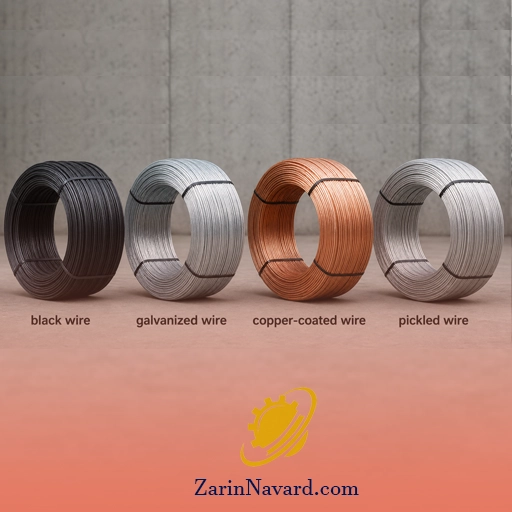
Answer: Due to the temporary nature of formwork bracing and the wire being buried or cut after pouring, using galvanized wire is not economically justified due to higher price, so black wire is used.
Question: How can wire breakage be prevented during formwork tying?
Answer: Over-pulling and twisting the wire with pliers should be avoided, and soft, standard annealed wires that have undergone proper cooking processes should be used.