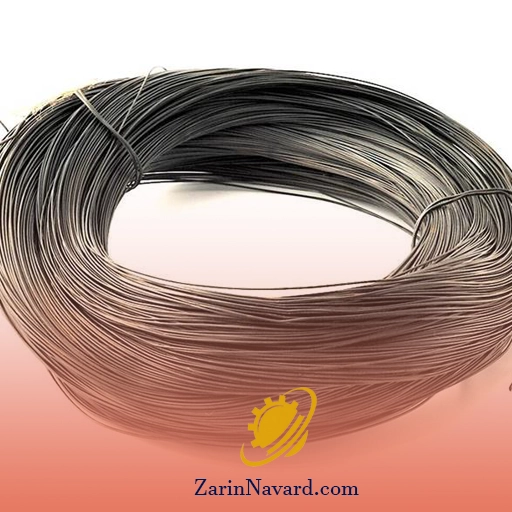
Why Does Steel Wire Rust? The Main Causes and Prevention Methods
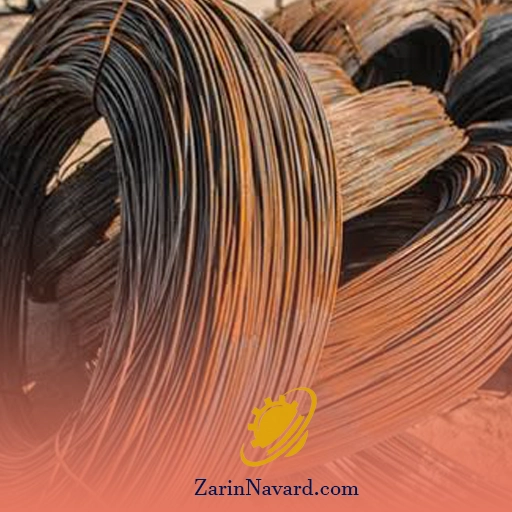
why wire rod rusts and how to prevent it
What is the main cause of steel wire rust?
Quick takeaway: Steel wire rust is the result of iron reacting with oxygen and moisture, and it happens faster in humid environments.
The scientific process of iron corrosion and oxidation
Steel corrosion occurs when the iron in the steel wire reacts with oxygen to form an iron oxide layer. This layer is the rust that gradually destroys the surface.
The role of oxygen and moisture in metal erosion
Oxygen alone is not enough. Moisture acts as a medium and speeds up the chemical reaction. For this reason, moisture resistance is one of the most important criteria for wire selection.
The effect of steel quality on wire rusting speed
If the raw steel has more impurities or poor surface uniformity, the corrosion rate increases. According to common technical reports in the steel industry, surface quality and chemical composition are two determining factors in wire durability.
Why do some wires rust faster than others?
Quick takeaway: Differences in coating, material, environmental conditions, and alloy quality cause some wires to rust much faster.
The difference between black wire and galvanized wire in terms of corrosion
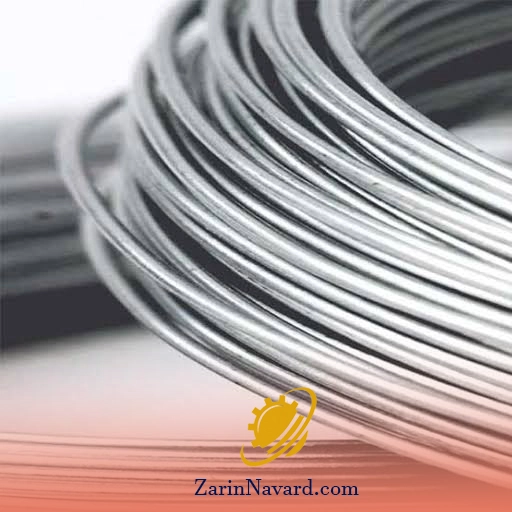
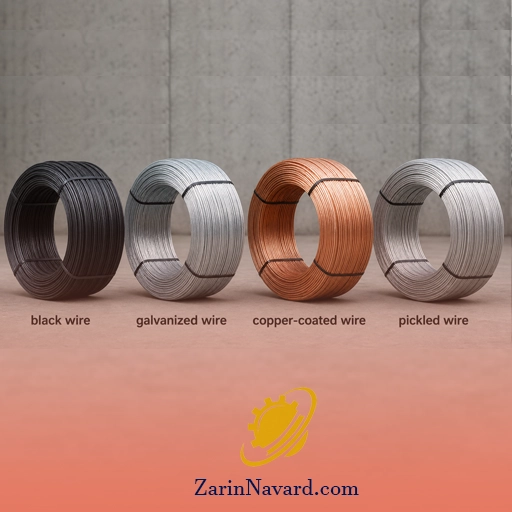
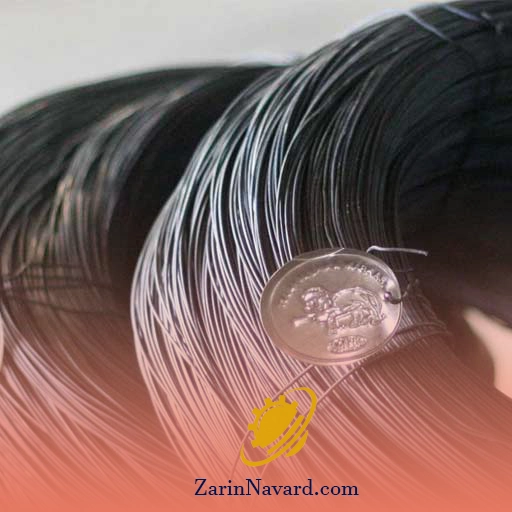
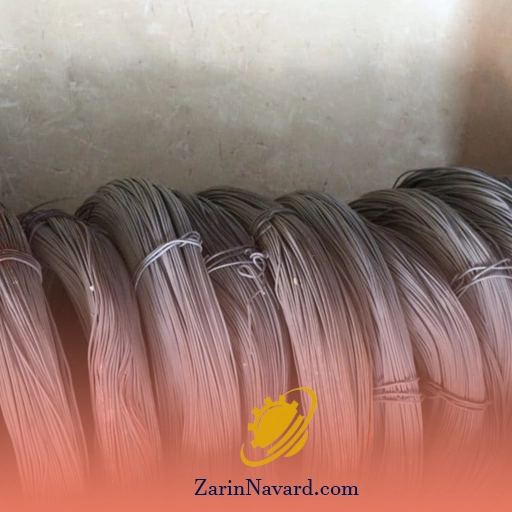
Black construction wire has no protective coating and is therefore more vulnerable to moisture. In contrast, galvanization creates a protective layer on the surface and significantly reduces the rusting rate.
The impact of environmental conditions on wire durability
Humid, coastal, industrial environments, and warehouses without ventilation are very dangerous for wire. The more contact there is with water vapor, rain, or corrosive materials, the faster the erosion.
The role of impurities in the steel alloy
The presence of sulfur, phosphorus, or heterogeneity in the steel composition can create local weak points and start corrosion from those sections.
Why are construction wires more vulnerable in humid areas?
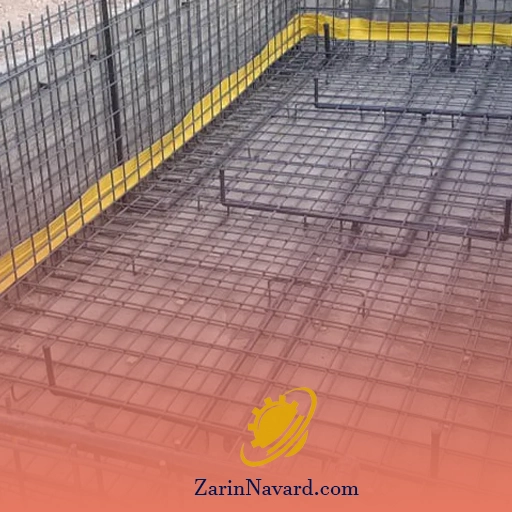
Because in construction projects, wire is often in contact with concrete, air, and environmental moisture. If the wrong type is used, the likelihood of wire corrosion within the concrete also increases.
Practical solutions for preventing steel wire rust
Quick takeaway: The best prevention method is selecting galvanized wire and practicing proper storage in the warehouse and at the place of use.
Using hot-dip and cold galvanized wire
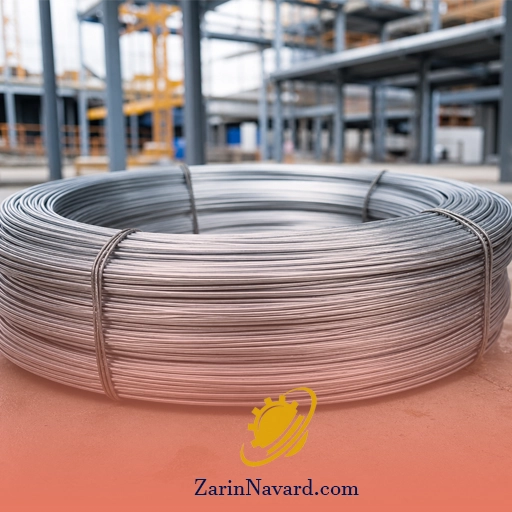
Galvanized wire, due to its zinc coating, is one of the most effective options for reducing rust. For outdoor and humid environments, hot-dip galvanized is usually a better choice.
The importance of PVC coating
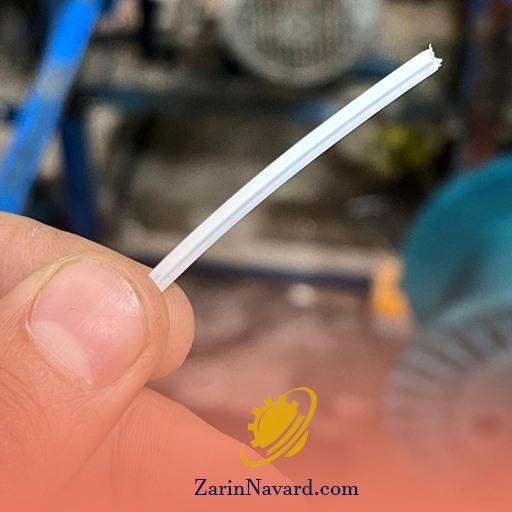
If the wire is in contact with moisture or corrosive materials, PVC coating can act as a protective metal coating and increase its useful life.
Proper methods of wire coil storage and maintenance
- Storing in a dry and ventilated place
- Keeping it away from humid cement floors
- Using wooden or metal pallets
- Preventing direct contact with rain or water vapor
Lubrication and protection of stored wires
A thin layer of protective oil can slow down metal oxidation. This method is very practical for short-term storage.
Reviewing types of wire and their resistance to rust
Quick takeaway: Each type of wire has different resistance to corrosion, and choosing the right one depends on the location of use.
Black wire (annealed); why does it need protection?
Black wire, due to the lack of coating, is more suitable for dry and temporary environments and must be protected in humid spaces.
Hot-dip galvanized wire; the best option for outdoor use
This type of wire, due to its zinc layer, is a reliable option for gardens, outdoor structures, semi-open warehouses, and industrial applications.
Stainless steel wire; the ultimate solution for corrosive environments
In highly corrosive environments, stainless steel wire is the best choice, although it costs more.
| Wire Type | Moisture Resistance | Rusting Speed | Suggested Application |
|---|---|---|---|
| Black Wire | Low | High | Dry and temporary space |
| Galvanized Wire | High | Lower | Outdoor and humid space |
| Stainless Steel Wire | Very High | Very Low | Corrosive environments |
Frequently Asked Questions about steel wire rust
Quick takeaway: Most user questions are about the impact of rust on strength, cleaning methods, and choosing the right wire.
Does wire rust reduce its strength?
Yes, if the rust becomes deep, it can reduce the cross-section of the metal and decrease its strength.
How to clean rust from the wire surface?
For surface rust, you can use a wire brush, fine sandpaper, or anti-rust solutions, but for severe corrosion, the wire must be replaced.
What is the best way to protect wire in construction?
Using galvanized wire and dry storage is the best practical method for construction projects.
Practical Conclusion
Quick takeaway: If you want to prevent rusting, choosing galvanized wire and practicing proper maintenance are two main and immediate actions.
In response to the question of why steel wire rusts, it must be said that the main cause is the chemical reaction of iron with oxygen and moisture. However, the rate of this reaction depends on the type of wire, steel quality, environmental conditions, and storage method. For most industrial applications, the main solution is using galvanized wire, and in harsher environments, stainless steel wire will be a safer choice.