What Is the Difference Between Black Annealed, Galvanized, Copper-Coated, and Acid-Washed Wire?
difference between black galvanized copper coated and pickled wire
What Is Wire and Why Is Knowing Its Types Important?
Key Takeaway: Wire is a metal product based on low-carbon steel or industrial steel, which, depending on the production process, is used for rebar tying, packaging, fencing, manufacturing industrial parts, and dozens of other applications.
In its simplest definition, wire is drawn metal rod, usually produced from steel, which acquires different characteristics depending on the processing type. Perhaps at first glance all wires look the same, but in practice, the difference between black annealed, galvanized, copper-coated, and acid-washed wire is very important. These differences determine how durable the wire is against moisture, how soft or hard it is, what environment it is suitable for, and what service life it offers.
For contractors and rebar workers, understanding these differences increases execution speed and reduces material waste. For wholesalers and suppliers, this knowledge means more accurately meeting customer needs and preventing product returns.
How Is Wire Produced?
Wire is usually produced by drawing rebar or wire rod to smaller diameters. Then, depending on market needs, finishing operations such as annealing, galvanizing, copper coating, or acid washing are performed on it.
Why Is Choosing the Right Wire Type Important?
If the wrong wire is chosen for an application, it may break during work, rust prematurely, or lower the quality of the final product. That is why the right choice is both technical and economic.
What Is Black Annealed Wire? Features, Benefits, and Applications
Key Takeaway: Black annealed wire is a type of soft, flexible wire used primarily in rebar tying, formwork, packaging, and construction work, and due to its reasonable price and ease of use, it is one of the best-selling wire types in the market.
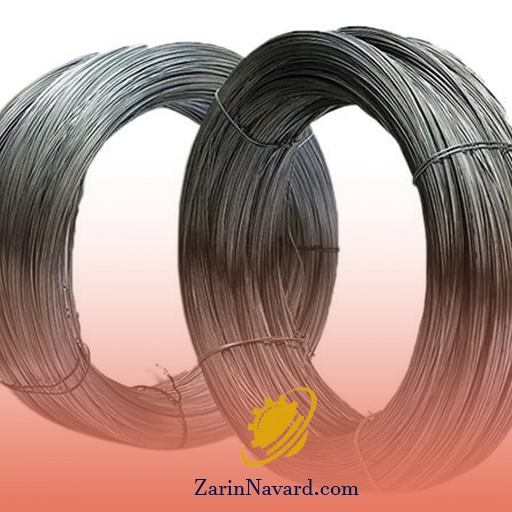
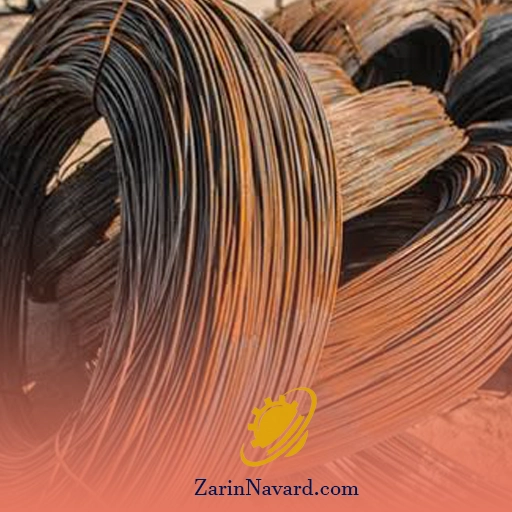
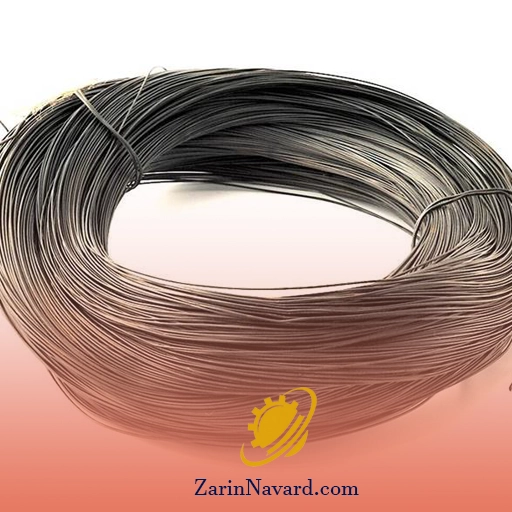
Black annealed wire is usually produced from low-carbon steel and, after the drawing process, undergoes heat treatment to become softer and more flexible. For this reason, it is known in the market as annealed wire or rebar tie wire. The dark color of this product is due to the heat process and the absence of a shiny coating on its surface.
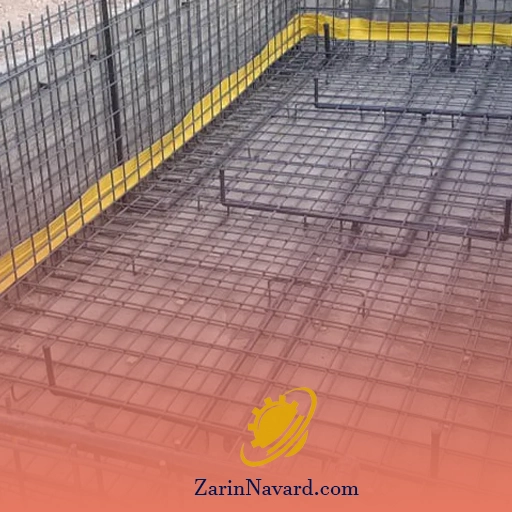
This type of wire has numerous applications in construction projects because it easily bends and does not tire the worker's hands when knotting around rebar. Furthermore, its price is more economical than some other types, making it a cost-effective option for large volumes.
Technical Features of Black Annealed Wire
Black annealed wire usually has these features:
- High flexibility
- Easy knotting ability
- Suitable for general construction work
- More affordable than coated wire
- Less resistance to moisture and corrosion
Main Applications of Black Annealed Wire
A large part of market demand for this wire type relates to these applications:
- Tying rebar
- Packaging branches and metal products
- Use in construction workshops
- General construction uses
- Some light industrial applications
Economic Advantage of Black Annealed Wire for the Consumer
In many projects, high rust resistance is not required because the wire is used inside concrete or in temporary environments. In these cases, black annealed wire is a more logical choice due to its lower price and high availability.
What Is Galvanized Wire and How Does It Differ from Black Annealed Wire?
Key Takeaway: Galvanized wire is covered with a protective zinc layer to resist rust and moisture, whereas black annealed wire lacks this coating and is mostly used for indoor or temporary purposes.
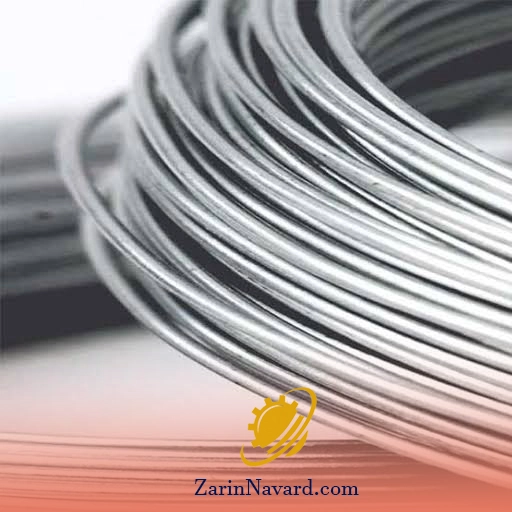
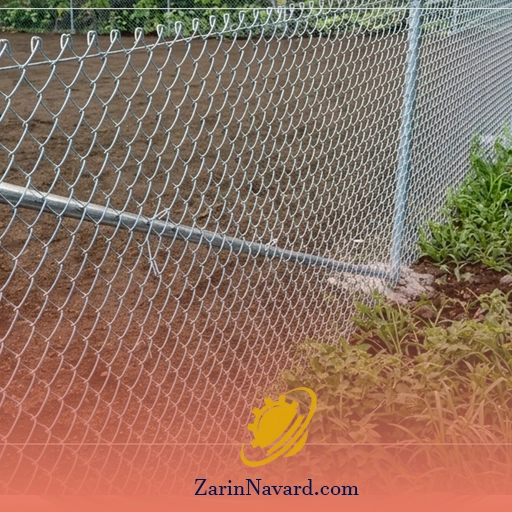
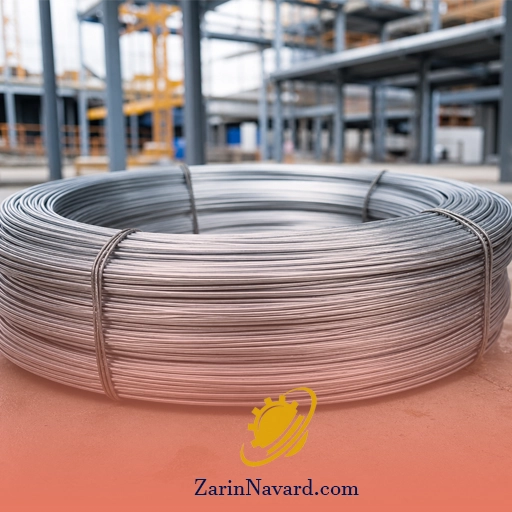
Galvanized wire is the same steel wire whose surface has been coated with zinc metal. This coating reduces direct contact of steel with moisture and air, thereby significantly reducing corrosion. For this reason, this wire type is widely used in open spaces and humid environments.
Structural Difference from Black Annealed Wire
The main difference is the existence of the protective coating. Black annealed wire is uncoated and softer, but galvanized wire has greater environmental resistance.
Common Applications of Galvanized Wire
- Manufacturing nets and fences
- Fencing
- Use in poultry farms and greenhouses
- Outdoor projects
- Areas with high relative humidity
What Is Copper-Coated Wire and In Which Industries Is It Used?
Key Takeaway: Copper-coated wire is a type of wire with a copper surface coating, used mostly in manufacturing industries, parts production, shelving, and products where appearance and weldability are important.
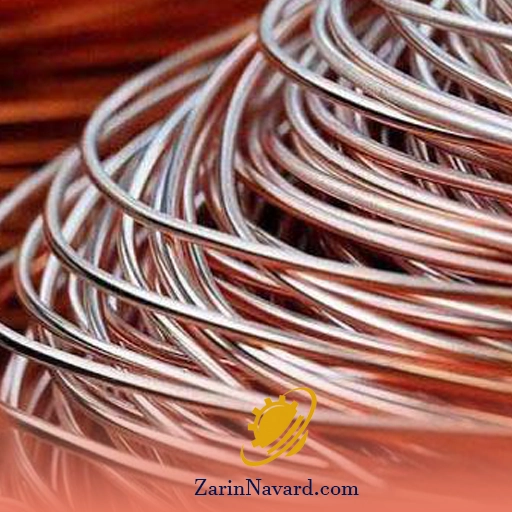
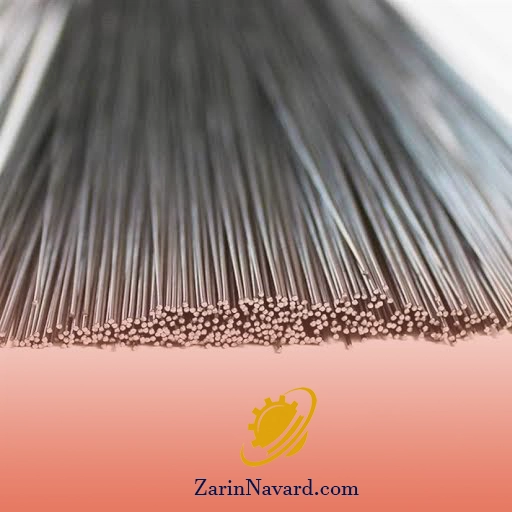
Copper-coated wire is recognized by its copper-like color. This wire type is usually used for applications where a cleaner appearance, uniform surface, and suitable formability and welding ability are of high importance.
Important Features of Copper-Coated Wire
- Smooth and uniform surface
- Better appearance than black annealed wire
- Good weldability
- Suitable for industrial and semi-decorative production
Industries Using Copper-Coated Wire
- Basket and shelf production
- Home appliance industry
- Parts manufacturing
- Manufacturing retail equipment
- Light metal workshops
What Is Acid-Washed (Pickled) Wire and What Are Its Features?
Key Takeaway: Acid-washed wire is wire whose surface has been cleaned by a chemical process to remove oxide scales and surface contaminants, preparing it for subsequent production stages.
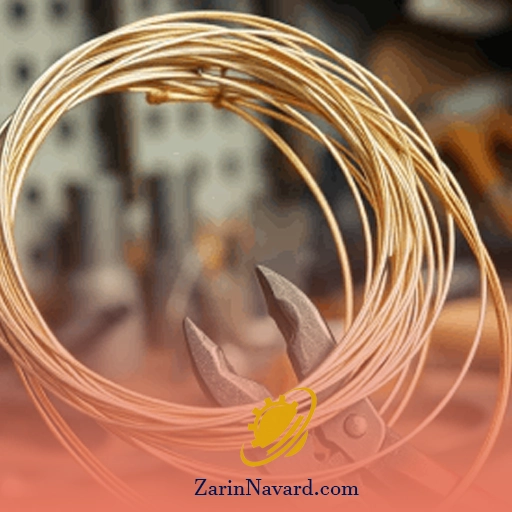
Acid-washed wire is more of an intermediate product in the production chain than a final product for general consumption. In this process, the wire surface is cleaned of scales, rust, and impurities to improve surface quality for drawing, plating, or better coating.
What Effect Does Acid Washing Have on Surface Quality?
This process makes the wire surface more uniform and better prepared for subsequent operations. Therefore, it is of great importance in downstream industries.
Uses of Acid-Washed Wire
- Raw material for cold drawing
- Preparation for plating
- Production of some industrial parts
- Use in specialized production lines
Difference Between Black Annealed, Galvanized, Copper-Coated, and Acid-Washed Wire Regarding Production Method
Key Takeaway: Each wire type is produced with a different finishing process, and this difference in process is the main cause of differences in appearance, durability, flexibility, and price.
How Is Black Annealed Wire Produced?
After wire drawing, heat treatment or annealing is performed to make the product soft and suitable for knotting.
Production of Galvanized, Copper-Coated, and Acid-Washed Wire
- Galvanized wire: After surface preparation, it is protected with a zinc coating.
- Copper-coated wire: After preparation, a copper coating is created on it.
- Acid-washed wire: The wire surface is cleaned with an acidic solution and prepared for further processing.
Difference Between Wire Types Regarding Appearance, Resistance, and Durability
Key Takeaway: If appearance and environmental durability are important to you, galvanized and copper-coated are better options, but if softness and price are the priority, black annealed wire is more suitable.
Comparison of Wire Appearance
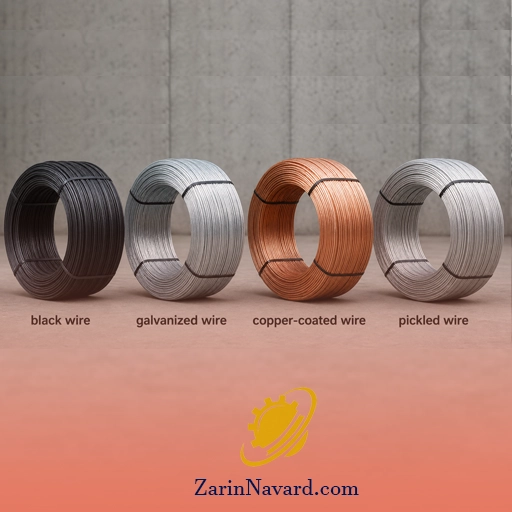
- Black annealed wire: Dark and matte
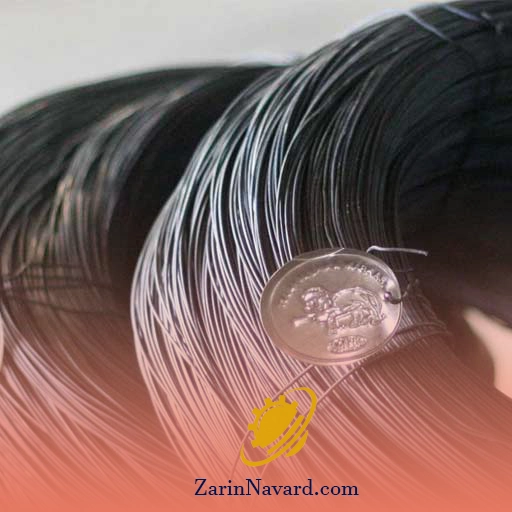
- Galvanized wire: Silver and shiny
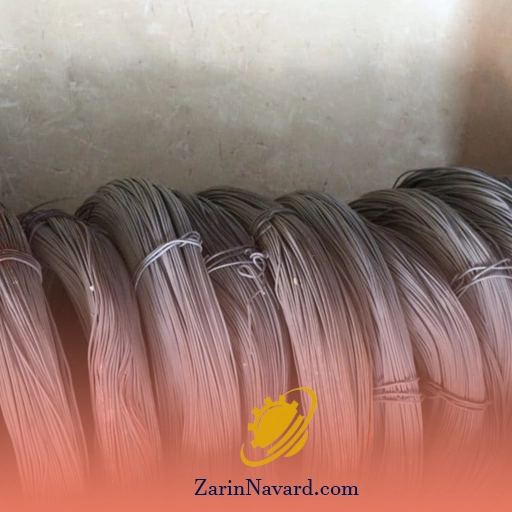
- Copper-coated wire: Copper-colored
- Acid-washed wire: Surface clean and lighter than black
Comparison of Resistance and Durability
The highest environmental resistance is usually associated with galvanized wire. Black annealed wire is weaker against moisture. Copper-coated wire is suitable for specific industrial applications, and acid-washed wire serves more as a semi-finished product.
Comparison of Black Annealed, Galvanized, Copper-Coated, and Acid-Washed Wire Regarding Application
Key Takeaway: The application of each wire must be selected based on environmental conditions, usage type, need for aesthetic appearance, and budget.
Most Suitable Application for Each Type
- Black annealed wire: Rebar tying and packaging
- Galvanized wire: Outdoor and humid spaces
- Copper-coated wire: Industrial and formed productions
- Acid-washed wire: Production and processing lines
Common Mistakes in Application Selection
One common mistake is using black annealed wire in a humid environment or buying galvanized wire for an application that does not need that level of resistance at all.
Which Wire Type Is Most Suitable for Construction and Industry?
Key Takeaway: For construction, black annealed wire is usually the first choice, but for specific industries or corrosive environments, one should opt for galvanized, copper-coated, or acid-washed.
For Construction Projects
In typical construction projects, black annealed wire is the market's main choice due to reasonable price, softness, and high availability.
For Workshops and Industries
Industrial workshops may prefer copper-coated or acid-washed wire depending on the product type. In corrosive environments, galvanized is more logical.
Pros and Cons of Each Wire Type at a Glance
Key Takeaway: No wire is best for all applications, and the right choice depends on your priority between price, durability, appearance, and processability.
Pros
- Black annealed wire: Soft, economical, widely used
- Galvanized wire: Rust-proof, durable
- Copper-coated wire: Better appearance, suitable for production
- Acid-washed wire: Clean surface, suitable for processing
Cons
- Black annealed wire: Low resistance to moisture
- Galvanized wire: Higher price
- Copper-coated wire: More specialized consumption
- Acid-washed wire: Limited direct consumption
Comparison Table of Black Annealed, Galvanized, Copper-Coated, and Acid-Washed Wire
Key Takeaway: The comparison table helps you see the main differences between wire types in terms of application, appearance, and durability in a few seconds.
|
Wire Type |
Appearance |
Resistance to Moisture |
Flexibility |
Main Application |
Approx. Purchase Value |
|---|---|---|---|---|---|
|
Black Annealed |
Dark and Matte |
Low |
High |
Rebar Tying and Packaging |
Economical |
|
Galvanized |
Light and Shiny |
High |
Medium |
Fence, Enclosure, Outdoor |
Higher |
|
Copper-Coated |
Copper Colored |
Medium |
Suitable |
Parts and Shelving Production |
Specialized |
|
Acid-Washed |
Clean and Light |
Medium |
Medium |
Dependent on Production Stage |
Intermediate |
What Points Should Be Considered When Buying Wire?
Key Takeaway: When buying wire, do not just look at the price; diameter, coating type, surface quality, final application, and supplier credibility are also determining factors.
Important Technical Points in Purchasing
- Exact diameter and size of the wire
- Type of final application
- Surface quality and uniformity
- Degree of softness or hardness
- Storage and transportation conditions
Commercial and Supply Points
- Credibility of the manufacturer or supplier
- Consistency of quality in repeat orders
- Possibility of supplying high tonnage
- Proper packaging
- Clear technical specifications in the proforma invoice
Why Is Black Annealed Wire One of the Most Used Wire Types in the Market?
Key Takeaway: Black annealed wire, due to its suitable combination of price, softness, availability, and simple usage, remains one of the main choices of the construction market and general consumption.
Black annealed wire is exactly the product that the construction market needs constantly. Rebar workers work with it more easily, its supply is simpler, and it fully meets the needs for many daily uses. In practice, the price-to-performance ratio of this product has given it a special place in the market.
Advantage for Contractor and Executor
High work speed, easy knotting, and reasonable price are three important reasons for its popularity.
Advantage for Wholesalers and Bulk Buyers
Rapid market turnover, stable demand, and continuous consumption have made black annealed wire a key product for the distribution network as well.
Conclusion; Difference Between Wire Types and Choosing the Best Option
Key Takeaway: If you are looking for the right choice, first specify the application; then, based on environmental humidity, need for flexibility, desired appearance, and budget, choose the suitable wire type.
In a clear conclusion, it can be said that black annealed wire is the best option for rebar tying and general construction uses, galvanized wire is more suitable for humid environments and outdoor spaces, copper-coated wire is mostly used for manufacturing industries and metal parts production, and acid-washed wire usually plays an important role in industrial production and preparation processes.
If you are in the selection or supply stage, the best decision is not to buy just based on the product name and to base the decision on technical specifications and final application. This simple perspective can prevent extra costs, quality drops, and purchasing mistakes.
Frequently Asked Questions (FAQ):
Question: What is the main difference between black annealed and galvanized wire?
Answer: The main difference is the presence of a zinc coating in galvanized wire, which causes greater resistance to moisture and rust, while black annealed wire is softer and more economical.
Question: For what work is black annealed wire more suitable?
Answer: Black annealed wire is mostly suitable for rebar tying, packaging, and general construction uses because it has high flexibility and knots easily.
Question: In which industries is copper-coated wire mostly used?
Answer: Copper-coated wire is used extensively in the home appliance industry, shelving, parts production, basket production, and retail equipment.
Question: Is acid-washed wire a final product for market consumption?
Answer: In many cases, acid-washed wire is used more as an intermediate product or raw material for subsequent processes such as drawing, plating, and industrial production.
Question: Which wire type is better for humid regions?
Answer: For humid regions, galvanized wire is usually the best choice because it has higher resistance to corrosion and rust than other common types.
Question: What should be paid more attention to when buying wire?
Answer: The most important points include application type, wire diameter, surface quality, coating type, supplier credibility, and the suitability of price with the real quality of the product.