What is Steel Wire? Introduction to Types, Applications, and Technical Specifications in Industry
what is steel wire
What is Steel Wire? Introduction to Types, Applications, and Technical Specifications in Industry
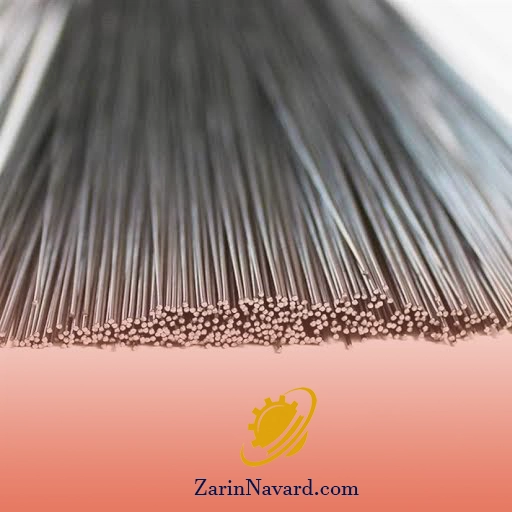
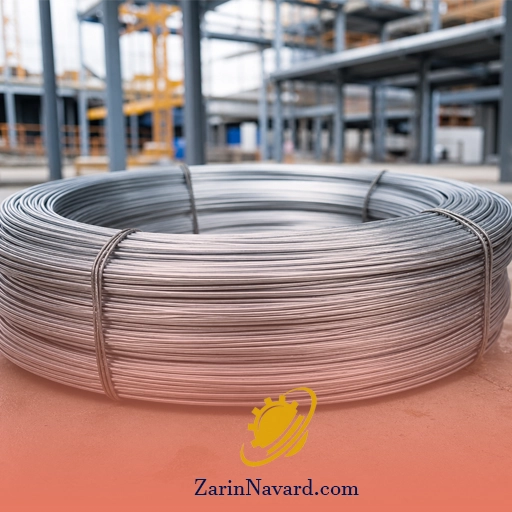
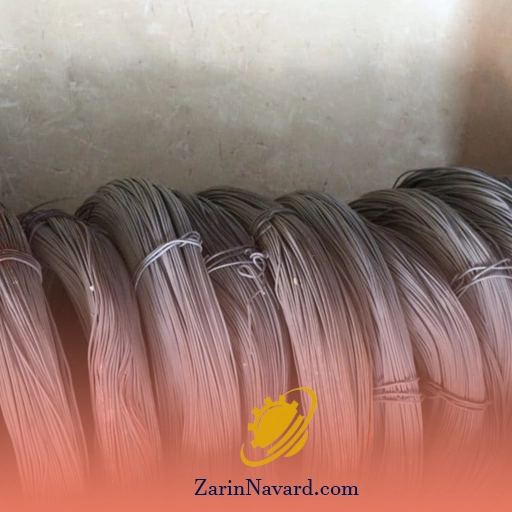
Steel wire is one of the most widely used metal products in various industries. This product is usually produced from low-carbon steel and due to its combination of strength, flexibility, formability, and application diversity, it is used in many industrial and construction activities.
Depending on the production type, diameter, material, and surface coating, steel wire can be used for various applications including mesh production, industrial packaging, agriculture, parts manufacturing, and some construction works.
Key Takeaway: Steel wire is a type of metal wire with a relatively small diameter, usually produced from steel, which serves as a raw material or connecting tool in various industries.
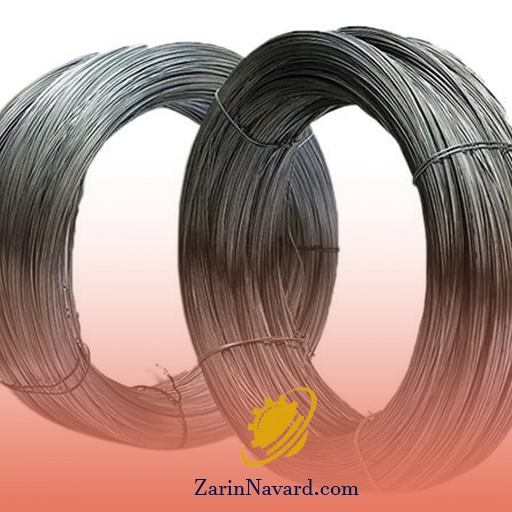
Steel wire is usually supplied in coils and may have a plain surface, coating, or heat treatment. Characteristics such as diameter, steel type, coating type, and mechanical properties determine which type of wire is more suitable for a specific application.
How is Steel Wire Produced?
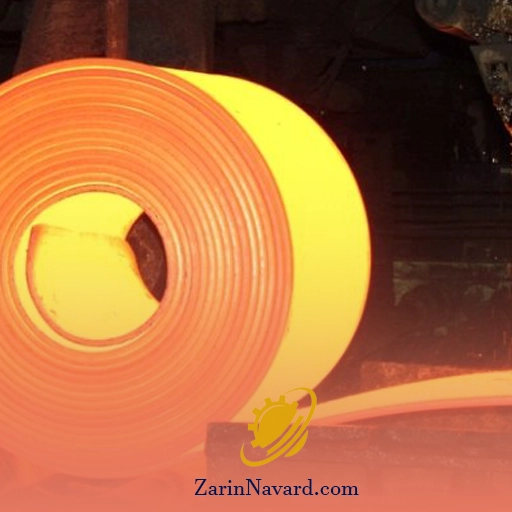
Key Takeaway: Steel wire production is usually carried out through raw material preparation, gradual drawing, and, if necessary, finishing operations such as annealing or coating.
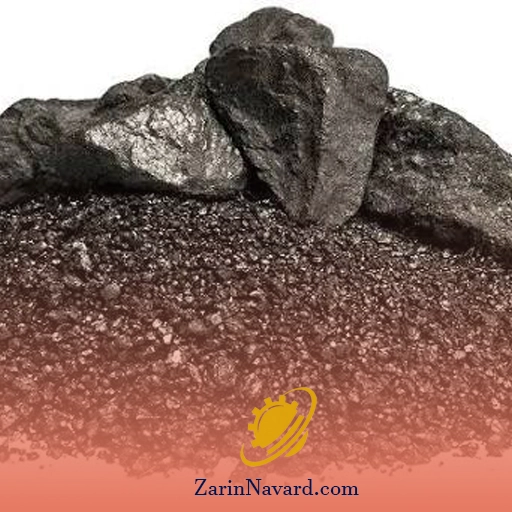
1) Raw Material Preparation
In the first stage, the steel raw material is prepared for entering the production process. The quality of this part plays an important role in the final quality of the product.
2) Wire Drawing
In the drawing process, the wire is passed through special dies to reduce its diameter and reach the desired size. This stage has a direct impact on dimensional uniformity and mechanical properties.
3) Heat Treatment
In some types of wire, heat treatment is used to increase flexibility and reduce internal stresses.
4) Coating or Final Finishing
Depending on the intended use, the wire may be prepared with coatings such as zinc or copper.
Types of Steel Wire
Key Takeaway: Steel wire can be categorized into several main groups based on coating type, surface characteristics, and final application.
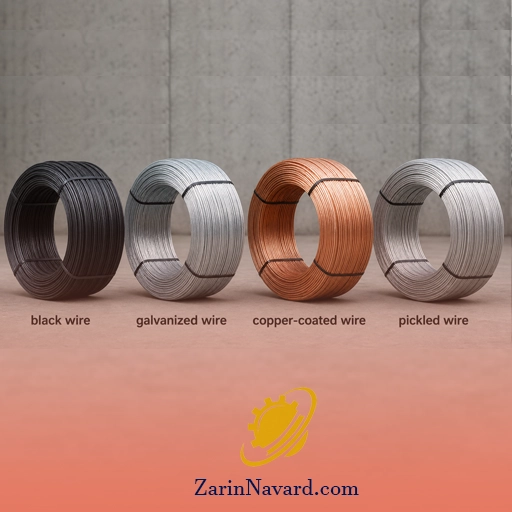
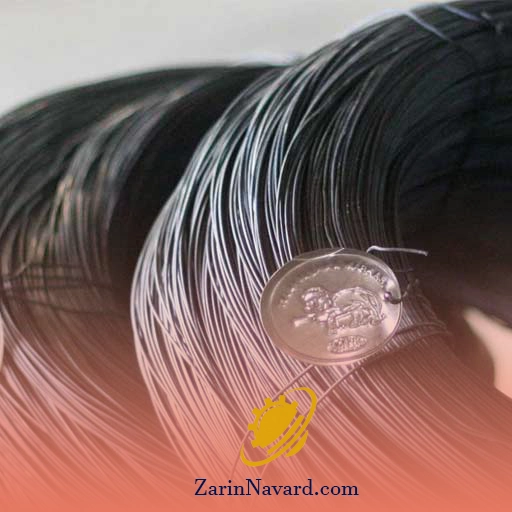
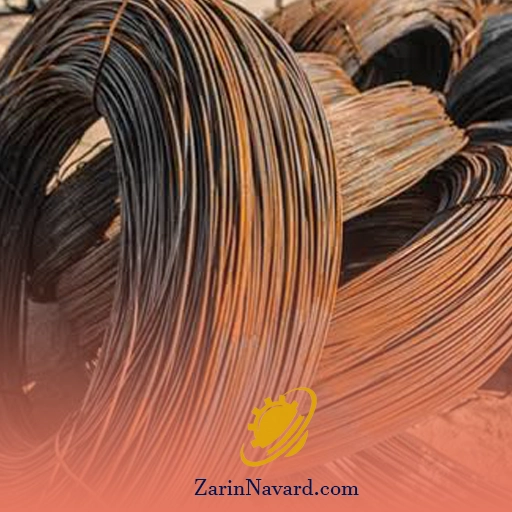
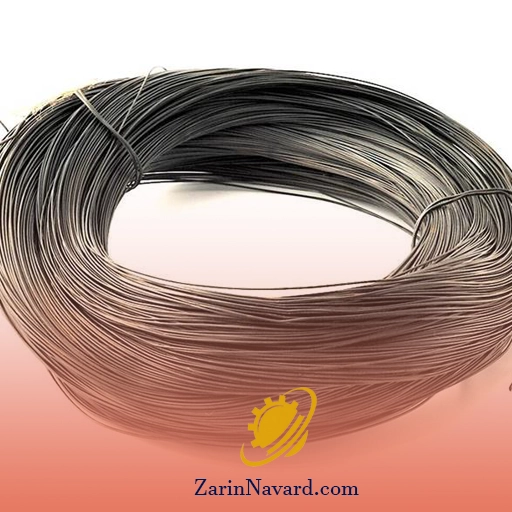
Black Annealed Wire
This type of wire is usually uncoated and is used in some construction and industrial applications.
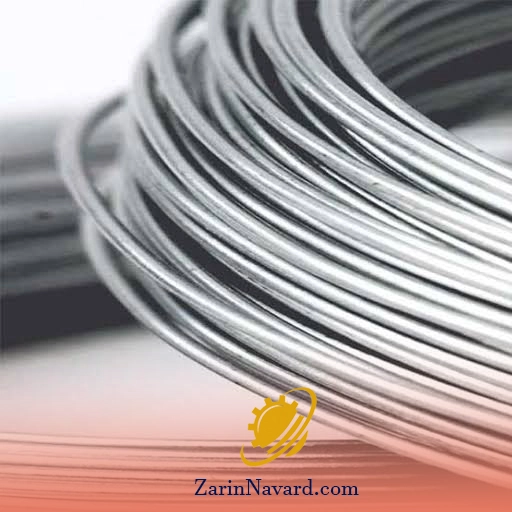
Galvanized Steel Wire
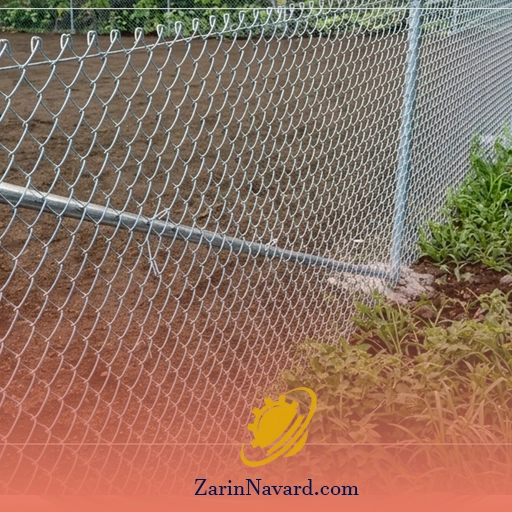
Galvanized wire has a zinc coating and is considered a more suitable option for environments where moisture and corrosion are significant factors.
Copper-Coated Wire (Mesvar)
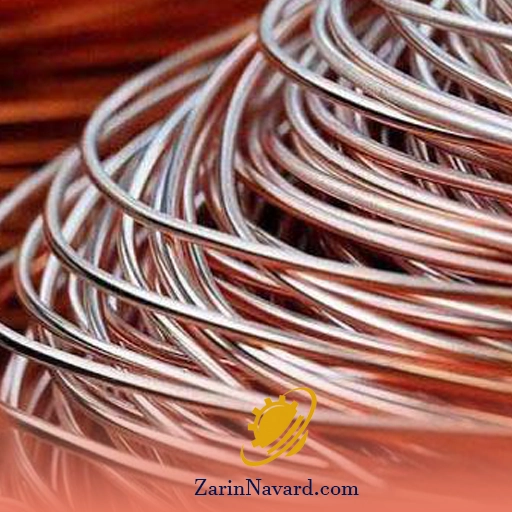
This type has a copper coating or appearance and is used in some production lines, packaging, and metal parts manufacturing.
Industrial Steel Wire
Some wires are produced based on specific industrial requirements with defined mechanical and dimensional characteristics.
Differences Between Black Annealed, Galvanized, and Copper-Coated Wire
Key Takeaway: The main difference between these three types of wire lies in their surface coating, corrosion resistance, and type of application.
|
Wire Type |
Main Feature |
Important Advantage |
Common Application |
|---|---|---|---|
|
Black Annealed |
No coating |
Economic and usable in some general applications |
Some construction and industrial works |
|
Galvanized |
Zinc coating |
High resistance to rusting |
Outdoor, agriculture, fencing |
|
Copper-Coated |
Copper coating or appearance |
Surface suitable for some industrial processes |
Packaging, parts manufacturing |
Technical Specifications of Steel Wire
Key Takeaway: The most important technical specifications of steel wire include diameter, steel type, coating type, tensile strength, and coil weight.
Wire Diameter
Diameter is one of the main specifications of wire and is usually expressed in millimeters. This parameter affects flexibility, weight, and final application.
Tensile Strength
This index indicates how much force the wire can withstand before breaking.
Steel Type
A large portion of steel wires are produced from low-carbon steel because it provides a good balance between formability and strength.
Coating Type
The type of coating plays an important role in corrosion resistance and compatibility with the working environment.
Coil Weight
Wires are usually supplied in coils, and the weight of each coil can vary depending on the product type.
Common Steel Wire Sizes
Key Takeaway: Steel wire is produced in different diameters, and choosing the right size depends on the type of consumption and the technical needs of the project.
Common sizes in the market include:
Usually, the larger the diameter of the wire, the higher its mechanical strength; conversely, thinner wires are more flexible.
Applications of Steel Wire in Industry
Key Takeaway: Steel wire is used in various industries including construction, agriculture, packaging, mesh production, and parts manufacturing.
1) Industrial Production Application
-
Metal mesh production
-
Manufacturing of some parts
-
Use in production processes
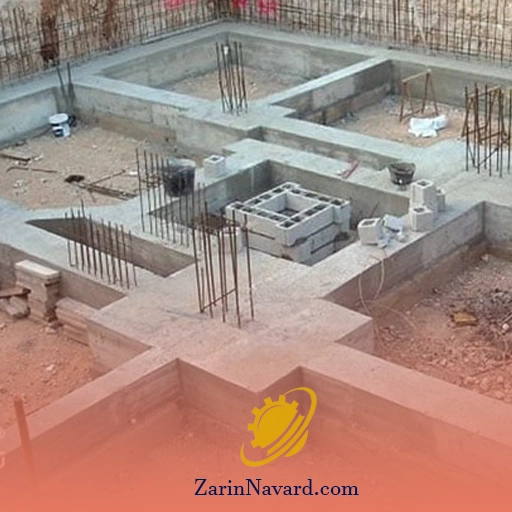
2) Construction Application
-
Use in some connections and braces
-
Use in parts of execution processes
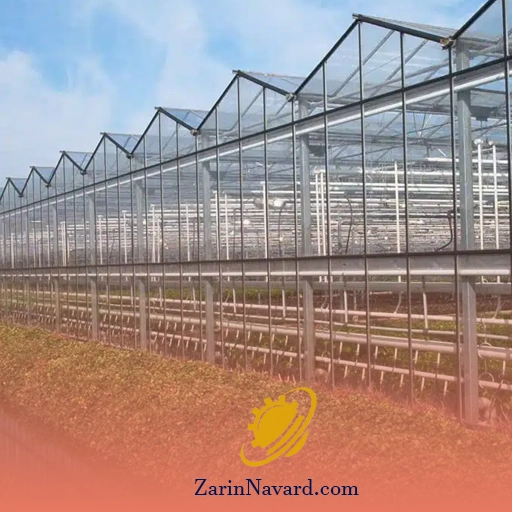
3) Agricultural Application
-
Fencing
-
Plant support
-
Some lightweight structures
4) Packaging Application
-
Package stabilization
-
Binding industrial loads
-
Use in some production lines
Steel Wire Production Standards
Key Takeaway: Producing steel wire based on specific standards makes the quality, uniformity, and performance of the product more reliable.
Some known standards in this field:
-
ASTM
-
DIN
-
ISO
-
ISIRI
Adhering to production standards is very important in choosing the right product for industrial and construction projects.
Important Points in Choosing Steel Wire Type
Key Takeaway: Choosing the right type of steel wire depends on environmental conditions, application type, required flexibility level, and mechanical properties.
When choosing wire, consider these items:
-
Is the usage environment dry or humid?
-
Do you need corrosion resistance or not?
-
Is flexibility more important or strength?
-
What is the appropriate diameter for your application?
-
Should the product have a coating?
Frequently Asked Questions
What is steel wire?
Steel wire is a type of metal wire usually produced from steel, which is used in various industries as a raw material or connecting tool.
What is the difference between black annealed wire and galvanized wire?
The main difference is the presence of a zinc coating in galvanized wire, which increases its resistance to corrosion.
In which industries is steel wire used?
In construction, agriculture, packaging, mesh production, some industrial lines, and metal parts manufacturing.
What are the most important technical specifications of steel wire?
Diameter, tensile strength, steel type, coating type, and coil weight.
Which type is more suitable for humid environments?
In many applications, galvanized wire is a more suitable choice due to its higher resistance to moisture.