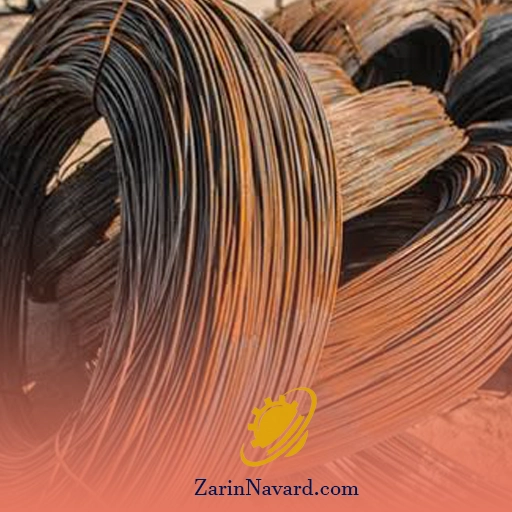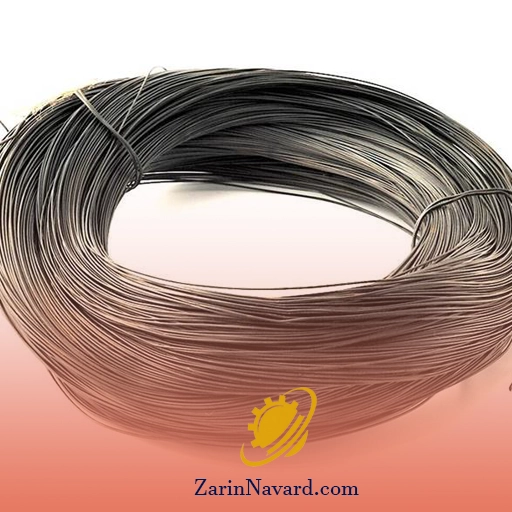
Complete Guide to Acid-Washed Wire
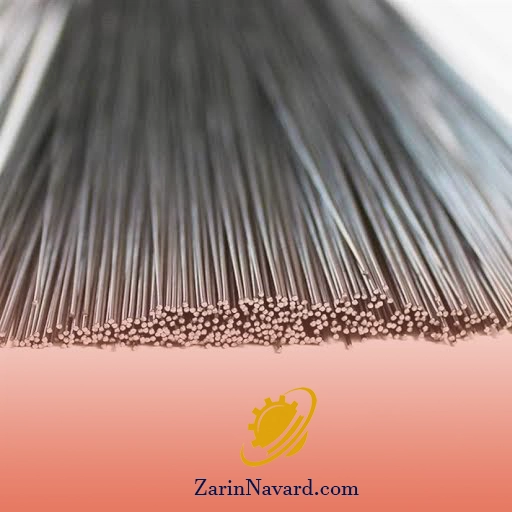
acid washed wire complete guide
What is acid-washed wire and why is it important in the industry?
Key Takeaway: Acid-washed wire is steel wire that has been prepared for entering more precise industrial processes by removing oxide layers and surface contaminants.
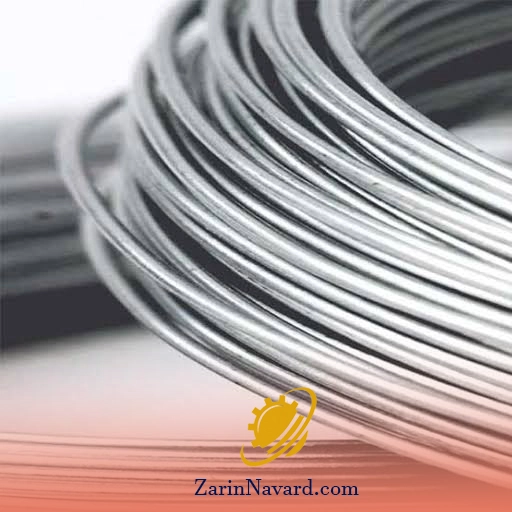
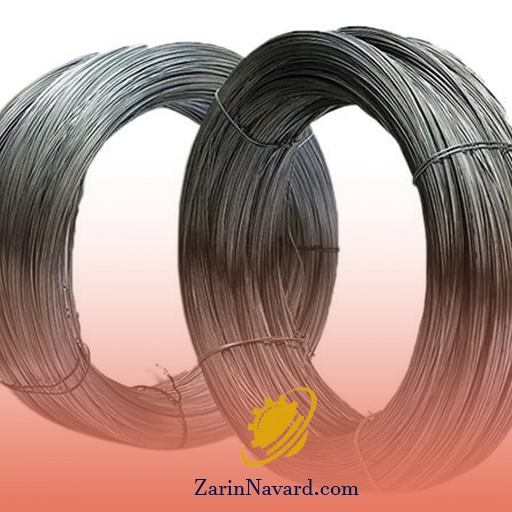
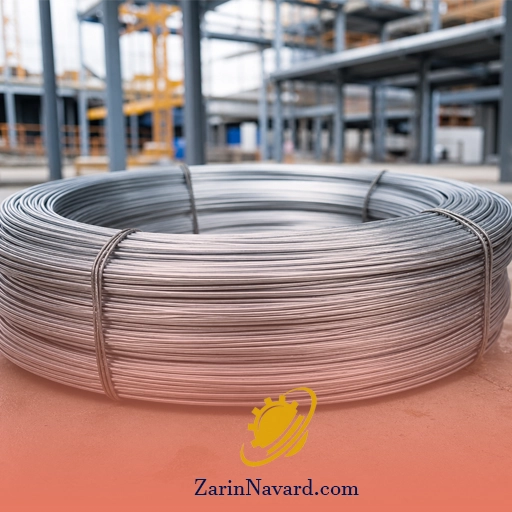
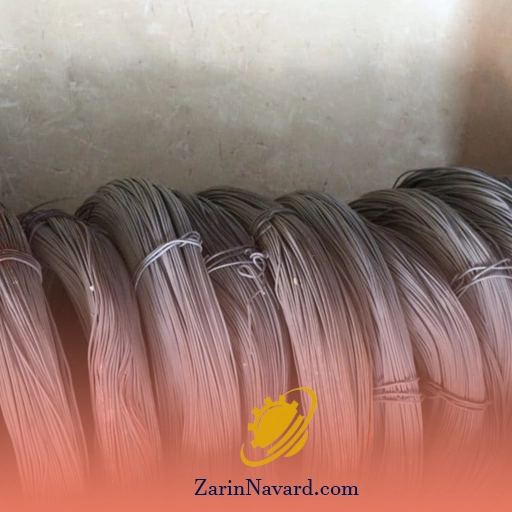
In the wire industry, the surface quality of the raw material has a direct impact on the quality of the final product. Acid-washed wire is important for this reason; because before entering subsequent processes, its surface is cleaned of scales resulting from hot rolling, surface rust, and nuisance contaminants. The result of this process is a wire with a brighter, more uniform surface, better prepared for drawing, coating, or forming.
Why is a clean surface important in production?
The presence of oxide scales on raw wire can cause increased friction, damage to dies, and a drop in quality on production lines. The cleaner the wire surface, the better the process control.
Why is it called "ready-to-draw" wire?
Many industrial units refer to this product as "ready-to-draw" wire because acid washing is one of the most important steps prior to cold drawing and reducing wire diameter.
How is the acid-washing process of wire performed?
Key Takeaway: The acid-washing process involves removing surface scales using an acid solution, rinsing, neutralizing, and preparing the surface for subsequent production stages.
To achieve high-quality acid-washed wire, immersion in acid alone is not enough. This process must be performed with precise control of time, material concentration, and rinsing conditions to clean the wire surface without damaging the base metal structure.
Step 1: Removing oxides and surface scales
In this step, the wire coil is placed in an acid solution to detach scales resulting from heat and rolling from the surface. This creates the necessary foundation for subsequent processes.
Step 2: Rinsing and neutralization
After acid washing, the wire must be carefully rinsed to remove traces of residual acid. If this step is not performed correctly, the probability of surface corrosion in subsequent stages increases.
Step 3: Preparation for drawing or coating
After cleaning the surface, the wire can be used for cold drawing, copper-coated wire production, plating, or other finishing processes.
What are the technical specifications of acid-washed wire?
Key Takeaway: The most important technical specifications of acid-washed wire include the base steel type, surface quality, precise diameter, drawability, and coil uniformity.
In industrial procurement, knowing the technical specifications is not just an advantage, but essential for preventing production errors. Professional buyers usually do not settle for just the bright appearance of the wire and check several important indicators simultaneously.
Base steel type and chemical composition
This product is usually produced from low-carbon steel, such as common industrial grades, to be suitable for drawing and forming. A low carbon percentage helps with better flexibility.
Surface quality and lack of scales
One of the main indicators of quality is the complete cleanliness of the surface and the lack of nuisance oxides. An unsuitable surface can cause increased wear and reduced line efficiency.
Drawability and performance in the machine
Acid-washed wire must exhibit stable behavior in drawing and forming machines. The greater its structural uniformity, the better the production quality will be.
Common sizes of acid-washed wire and applications of each
Key Takeaway: Acid-washed wire is usually used in various sizes for nail production, cold drawing, copper-coated wire, and metal parts, and the size selection must be based on the final process.
The wire diameter is one of the most important factors in choosing this product. Incorrect size selection can cause increased waste or the need for additional production steps.
Fine sizes
Lower sizes are usually used for more precise production, nail making, further drawing, and some delicate wires.
Medium sizes
This range of sizes is most consumed in many drawing and metal parts production workshops and creates a good balance between strength and processability.
Larger sizes
Thicker sizes are used more in processes that require stepwise diameter reduction or use in specific industrial parts.
Applications of acid-washed wire in various industries
Key Takeaway: Acid-washed wire is used as a base raw material in wire drawing, copper-coated wire production, nail making, plating, and manufacturing certain metal parts.
This product is less of a final consumer good and acts more as a precise, intermediary raw material. For this reason, its highest consumption is seen in industrial production lines.
Application in cold drawing
The most important use of this product is in drawing units; where the clean surface of the wire helps reduce friction and improve die performance.
Application in copper-coated wire production
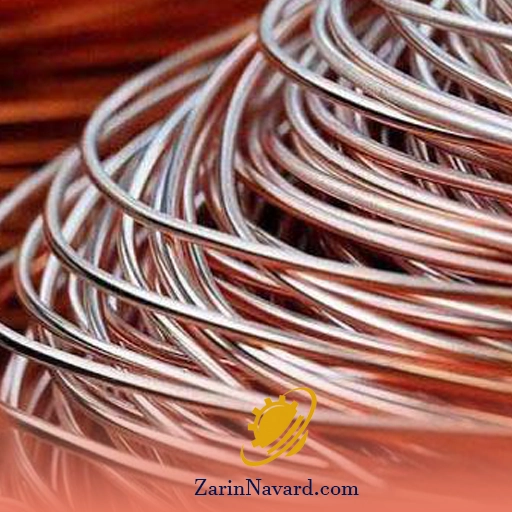
For the wire surface to be suitable for coating or creating the final appearance, initial preparation is very important. That is why acid-washed wire holds a significant position in this chain.
Application in nail making and metal parts
In many nail making and metal parts production lines, choosing wire with a controlled surface can improve output quality and reduce equipment wear.
What is the difference between acid-washed wire and black wire?
Key Takeaway: The main difference between these two products is in surface quality, readiness for subsequent processing, and their behavior in industrial equipment.
Although both products are from the steel wire family, they are not designed for the same applications. This makes the choice between them dependent on the type of usage.
Difference in appearance and surface
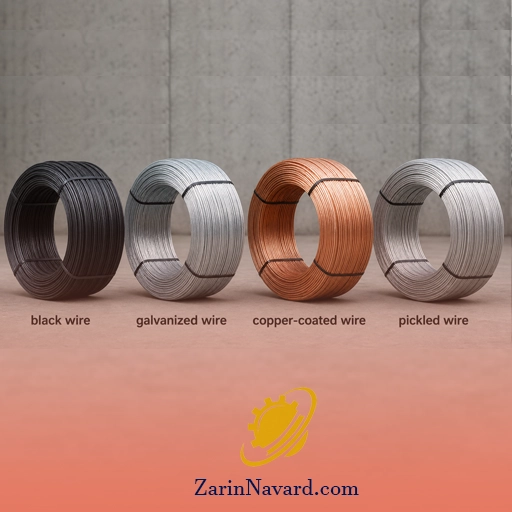
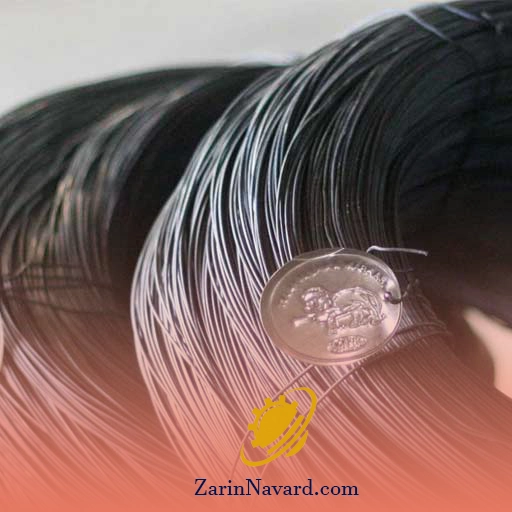
Black wire usually has a darker, oxidized surface, while acid-washed wire has a brighter, cleaner surface ready for work.
Difference in production performance
In continuous drawing and production machines, acid-washed wire usually creates less friction and can increase the service life of dies.
Difference in usage position
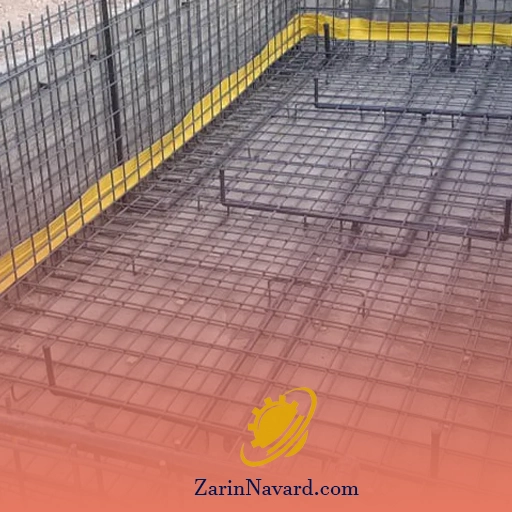
Black wire is mostly seen in more general uses such as rebar tying and packaging, but acid-washed wire is used more for intermediate and specialized production stages.
What should be considered when choosing acid-washed wire?
Key Takeaway: To make the right choice for this product, one must pay attention to surface quality, base steel type, diameter uniformity, storage conditions, and compatibility with the final process.
Successful procurement is not just dependent on price. If the selected wire is not compatible with the final process, hidden costs in the production line will increase.
Checking surface and diameter uniformity
In industrial procurement, uniformity throughout the coil is very important. Fluctuation in diameter or incomplete surface cleaning can negatively affect production.
Attention to storage conditions
Since the surface of this product has been cleaned and its oxide protective layer reduced, storage in a dry environment becomes more important.
Checking compatibility with the next process
If the goal is copper-coated wire production, nail making, or multi-stage cold drawing, the wire specifications must be chosen to be completely compatible with that process.
What are the factors affecting the price of acid-washed wire?
Key Takeaway: The price of acid-washed wire depends on the quality of the base wire, the acid-washing process, size, coil weight, steel market conditions, and order volume.
In educational content, it is better to explain the pricing logic rather than focusing on the daily figure. This approach is both more useful for the user and creates more content value.
Raw material cost
The quality of the wire rod or base wire is one of the most important factors determining the final price.
Process and quality control
The more precise and standardized the acid-washing process is, the greater the value of the final product will be.
Order tonnage and market
Purchase volume, coil weight, shipping cost, and general conditions of the iron and steel market also affect the final price.
Frequently Asked Questions about Acid-Washed Wire
Question: What is acid-washed wire?
Answer: Acid-washed wire is a type of steel wire that undergoes an acid-cleaning process to remove oxide scales and prepare the surface.
Question: What is the most important application of acid-washed wire?
Answer: Its most important application is in cold drawing, copper-coated wire production, nail making, and other processes that require a clean and controlled surface.
Question: What is the difference between acid-washed wire and black wire?
Answer: The main difference is in the surface condition and readiness for subsequent processing; acid-washed wire is cleaner and more suitable for precise industrial work.
Question: Does acid-washed wire rust sooner?
Answer: If the storage conditions are not suitable, this product can be more sensitive to moisture due to its cleaned surface, so it must be stored in a dry environment.
Question: Is acid-washed wire suitable for copper-coated wire production?
Answer: Yes, this product is one of the important raw materials for subsequent processes such as copper-coated wire production and certain industrial coatings.
Conclusion
Key Takeaway: Acid-washed wire is a specialized raw material for manufacturers who need a clean surface, suitable drawability, and better performance in industrial processes.
If we want to describe this product in one sentence, we should say that acid-washed wire is the starting point for many precise productions in the wire industry. This product may not be well-known to the general user, but for industrial actors, its quality can affect the performance of the entire production line. If you are comparing black wire, copper-coated wire, and acid-washed wire, you should know that acid-washed wire is more of an important production infrastructure than a final product. Understanding this position helps you make a more accurate, technical, and economical choice.