Wire in the Construction Industry; From Rebar Tying to Formwork and Structural Execution
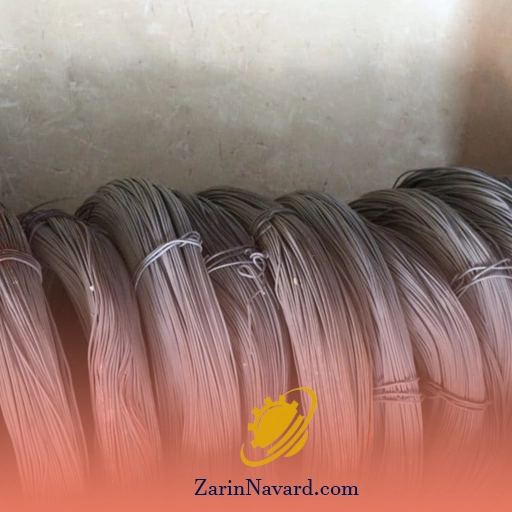
wire rod applications in building industry
What is the role of wire in the construction industry?
Key Takeaway: Wire in construction is not just an auxiliary tool, but is considered one of the pillars of accurate, fast, and safe execution in various parts of the structure.
The importance of wire in the execution of concrete structures
In concrete structures, the rebar network must be stabilized with high precision before pouring concrete. At this stage, the wire holds the rebars in the correct place so that loading and concrete coverage are executed according to the plan. According to the experience of executive units and workshop technical reports, wherever the connection of rebars is weak, executive errors in concrete pouring increase.
Why is wire considered a base material in construction projects?
Because it is cheaper than many alternative connections and is fast and simple to use. Construction wire, by creating a temporary but reliable connection, helps executive forces in various parts of the project to move the work forward more cleanly and organized.
Application of wire in rebar tying for structures
Key Takeaway: The most important use of wire in construction is tying and stabilizing rebars before concrete pouring.
Connecting longitudinal and transverse rebars
In rebar networks, longitudinal and transverse rebars must be connected at their intersection points. Rebar tying wire creates this connection and prevents rebar slippage during handling or execution.
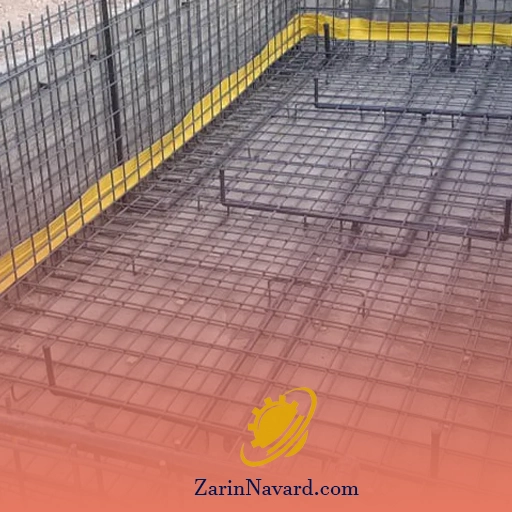
Stabilizing the rebar network before concrete pouring
If the rebar network is loose, it shifts when workers pass, vibration occurs, or concrete is poured. Using the appropriate wire ensures the network form is maintained and concrete coverage remains uniform.
The role of wire in foundations, columns, and beams
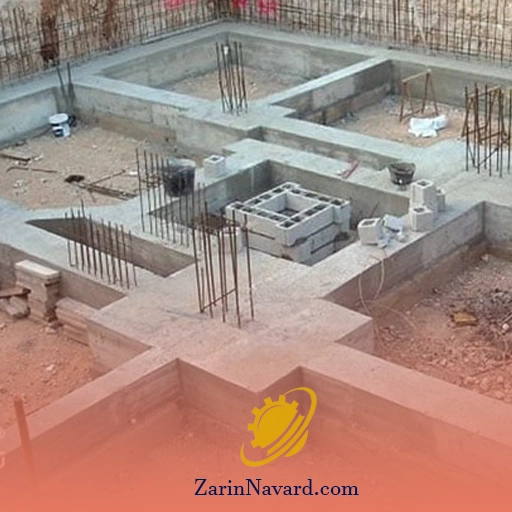
In foundations, columns, and beams, precision in rebar spacing is vital. Wire helps stabilize the rebar cage at these points and prevents geometric errors in structural execution.
Application of wire in construction formwork
Key Takeaway: In formwork, wire is used to brace forms and prevent them from opening or shifting.
Using wire to brace forms
In concrete formwork, whether metal or wooden forms, it is necessary to keep components together with sufficient bracing. Wire in construction formwork is a quick solution for tying, fixing, and holding components.
Increasing strength and preventing form displacement
If the form moves during concrete pouring, the concrete surface becomes uneven or leakage occurs. Bracing with wire prevents this problem and improves the final surface quality.
The role of wire in the execution of metal and wooden formwork
In metal forms, wire mostly plays the role of a temporary holder and complement. In wooden forms, its importance is greater because the wire's flexibility helps compensate for some executive inconsistencies.
Application of wire in masonry and mortar operations
Key Takeaway: Wire in masonry and mortar work is very useful for installation, stabilization, and holding light components.
Using wire for installing metal lath (Rib-lath)
In false ceilings, plastering, and some architectural details, rib-lath must be well braced. Wire for installing rib-lath is a common and practical choice.
The role of wire in holding plates and connections
In holding metal plates, light parts, or temporary connections, wire helps components stay in place until final stabilization.
Application of wire in the execution of light walls
In light walls or masonry details, wire is used for temporary bracing, connection, and organizing components, which speeds up the work.
Using wire in construction workshops
Key Takeaway: Wire in the workshop is a simple but very effective tool for securing items, packaging, and organization.
Workshop packaging and securing items
In the workshop, materials and tools must be secured so that internal transport is carried out without risk. Wire for workshop packaging covers this need well.
Temporary connection of parts and tools
When a permanent connection is still time-consuming, wire is a quick solution for temporary connection of parts and tools and is very practical in high-traffic projects.
Maintenance and management of equipment at the project site
From bundling cables to securing light equipment, wire helps organize the workshop and reduces the likelihood of equipment being lost or damaged.
Application of wire in the construction of mesh and metal structures
Key Takeaway: Wire is one of the main pillars for producing mesh, fencing, protection, and light metal structures.
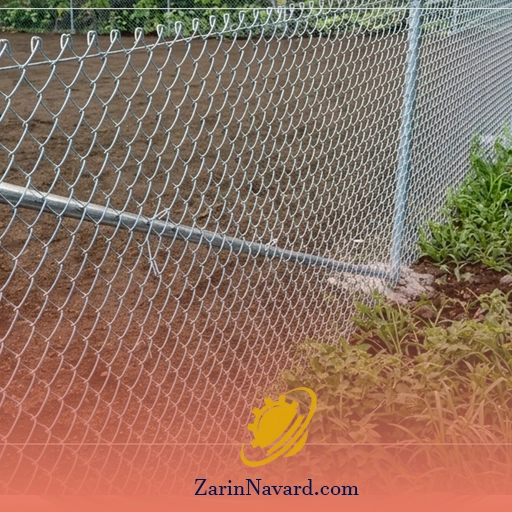
Use in mesh and fence production
In producing mesh and fences, the wire must have both resistance and formability. These characteristics have made it the primary raw material for this sector.
The role of wire in building protection and light structures
For protections and light metal structures, wire acts as the primary skeleton or connector and is effective in the final strength of the product.
Application of galvanized wire in moisture-exposed sections
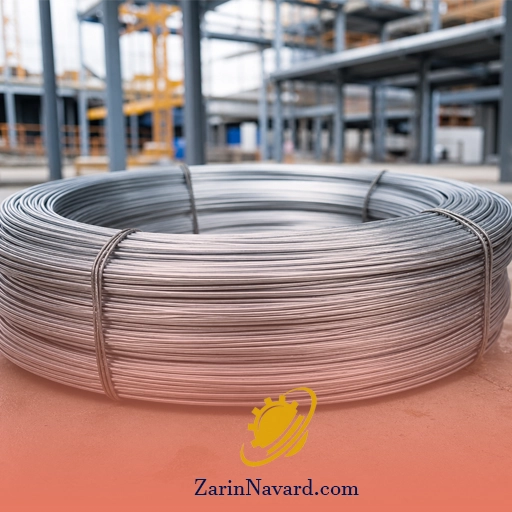
In external or moist sections, galvanized wire is a better choice because it is more resistant to rusting and increases the structure's lifespan.
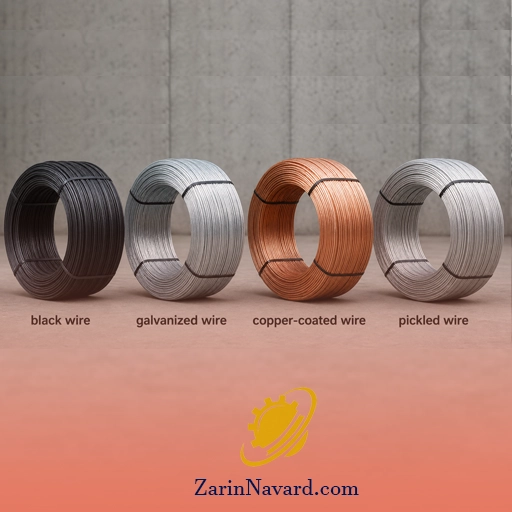
Types of wire used in the construction industry
Key Takeaway: Choosing the type of wire should be done based on the location of use, moisture level, and the need for softness or resistance.
Black annealed wire and the reason for its widespread use
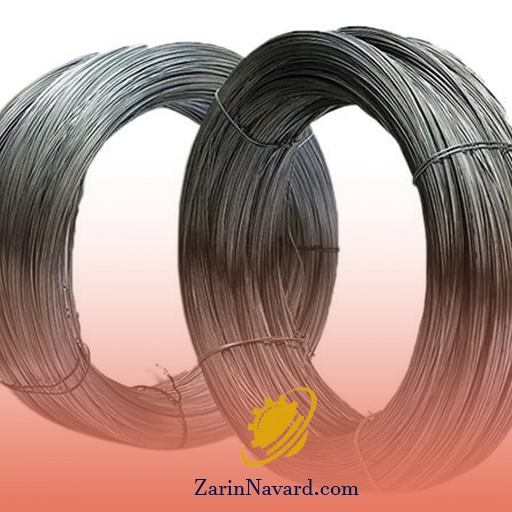
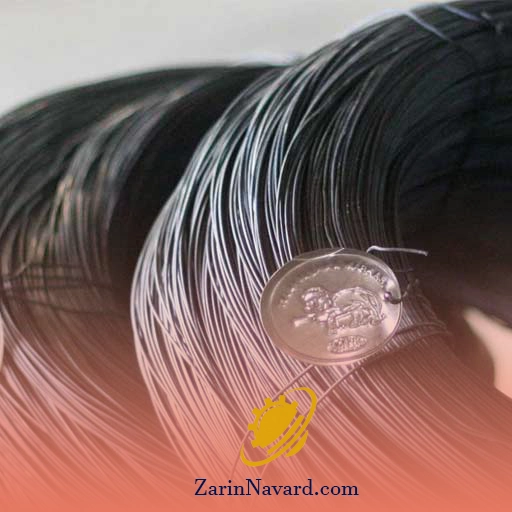
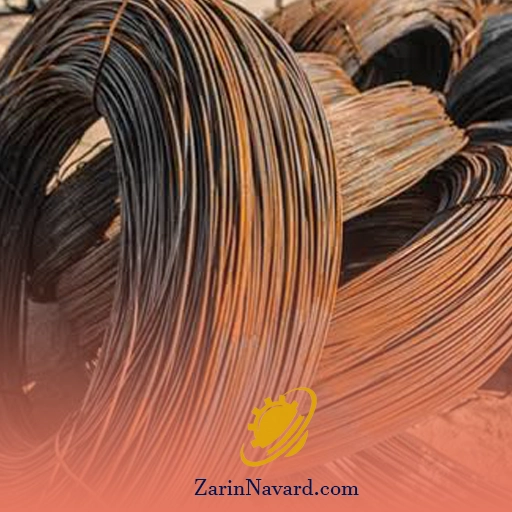
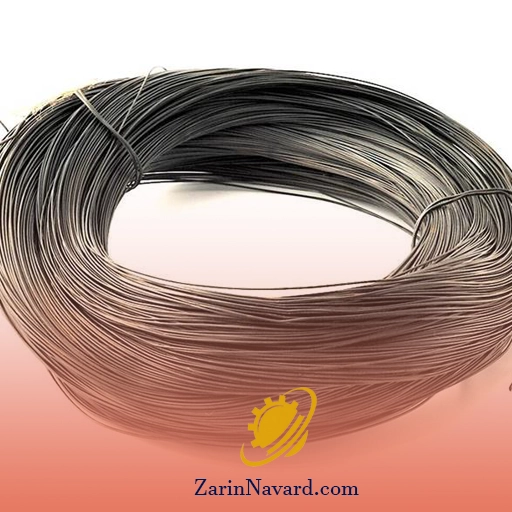
Black annealed wire, due to its softness, knotting capability, and reasonable price, is the most widely used type in rebar tying and general construction work.
Rebar tying wire for rebar networking operations
Rebar tying wire is usually designed for tying rebars and must have both flexibility and not break during knotting.
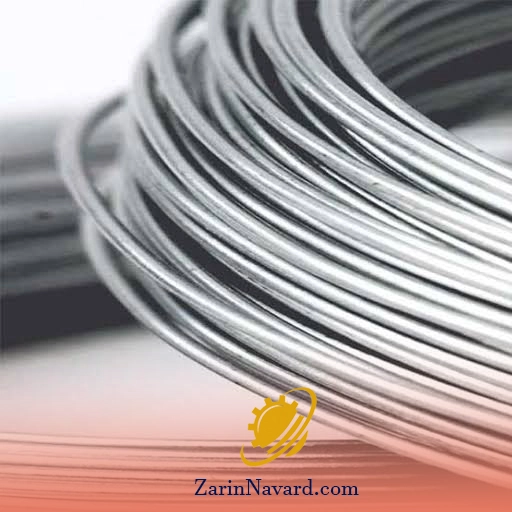
Galvanized wire for moist environments and outdoor spaces
When moisture or outdoor space is involved, galvanized wire is a safer choice than the black type due to its protective coating.
Technical features of suitable wire for construction applications
Key Takeaway: A suitable wire must be soft, uniform, and at the same time resistant.
Appropriate softness and knotting capability
If the wire is too hard, work speed decreases, and the operator faces difficulty in tying rebars or forms.
Tensile strength and necessary durability
The wire must withstand tension and executive pressures, but not so hard that it makes execution difficult.
Surface and diameter uniformity
Uniform surface and constant diameter improve knotting quality and execution accuracy, preventing workshop waste.
The role of wire in increasing execution quality and structural safety
Key Takeaway: Correct use of wire directly affects the strength, organization, and safety of the structure.
Impact of correct wire use on rebar network strength
When rebars are tied well, the rebar network remains in the correct position, and the structure will have more stability during the concrete pouring phase.
Preventing form displacement and concrete damage
Weak form bracing can cause concrete surface defects or material waste. Wire, with proper bracing, reduces this risk.
Impact of wire on the speed and order of executive operations
In high-volume projects, speed means lower costs. Wire, by simplifying connections, makes work execution more organized and faster.
Common mistakes in using wire in construction
Key Takeaway: Choosing the wrong wire can cause a drop in execution quality, increased costs, and even structural risks.
Using unsuitable wire for rebar tying
Using hard or disproportionate wire makes knotting difficult and increases the probability of connection opening.
Choosing the wrong wire diameter in formwork
Wire that is too thin lacks enough bearing capacity, and wire that is too thick slows down the work. Diameter must be proportional to the type of work.
Problems caused by using low-quality wire
Low-quality wire may break early, rust, or break during knotting. This increases re-work costs and decreases executive trust.
Conclusion on wire applications in the construction industry
Key Takeaway: Wire in construction is a multi-purpose tool for rebar tying, formwork, masonry, workshop, and metal structure construction.
Introduction of the most important sectors dependent on wire
- Foundation, column, and beam rebar tying
- Metal and wooden formwork
- Rib-lath installation and masonry work
- Workshop organization and packaging
- Mesh, fence, and protection production
The role of wire in increasing structural quality and execution speed
If the right type of wire is chosen, both connection quality increases and project execution time decreases. That is why purchasing construction wire should be done based on application, environmental conditions, and technical standards. Quoting the experience of many professional executors, "A suitable wire controls the hidden costs of a project better than any other side tool."
Frequently Asked Questions:
Question: What is the application of wire in the construction industry?
Answer: It is used for rebar tying, formwork, rib-lath installation, temporary bracing, workshop packaging, and building mesh or protection.
Question: What is the best type of wire for rebar tying?
Answer: Usually, black annealed wire or rebar tying wire is the best choice due to its high softness and knotting capability.
Question: Is galvanized wire suitable for construction?
Answer: Yes, especially in sections exposed to moisture or outdoor spaces, because it has higher resistance to rusting.
Question: Why is wire important in formwork?
Answer: Because it braces the form, prevents it from shifting, and helps maintain concrete surface quality.
Question: What factors are important in choosing construction wire?
Answer: Softness, tensile strength, diameter uniformity, coating type, and environmental conditions of the usage location are among the most important factors.
Question: Is buying wire directly better for a construction project?
Answer: Yes, because it usually provides a better price, more quality control, and the possibility of more precise selection based on project needs.