Comprehensive Guide to Galvanized Wire
galvanized wire comprehensive guide
What is galvanized wire and why is it vital in the industry?
Key Takeaway: Galvanized wire is an engineered product that drastically increases the lifespan of steel wire in humid and corrosive environments by creating a zinc protective barrier.
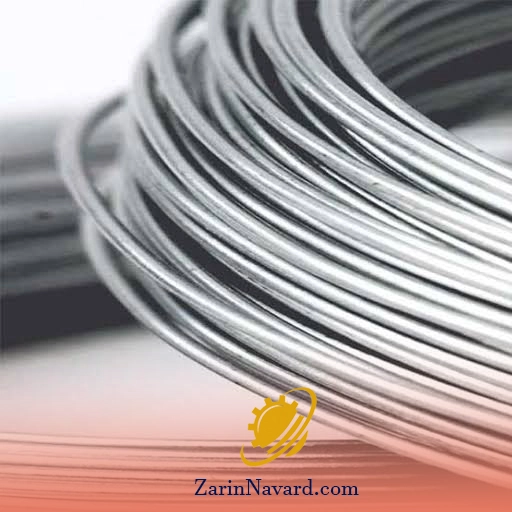
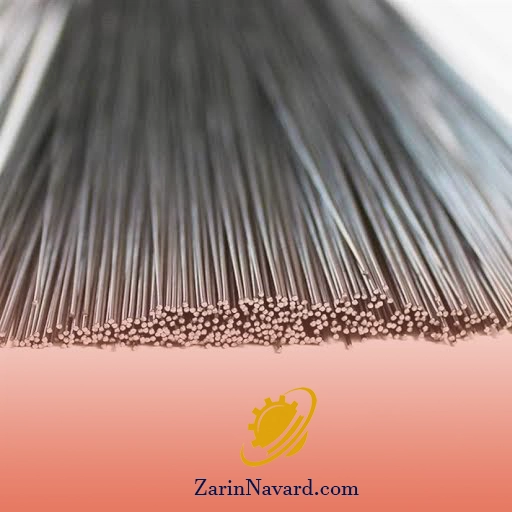
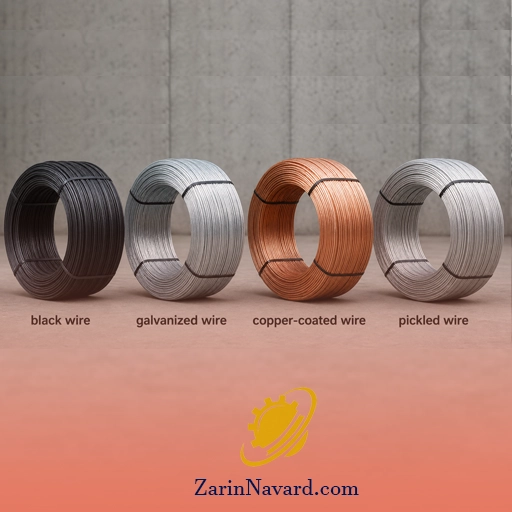
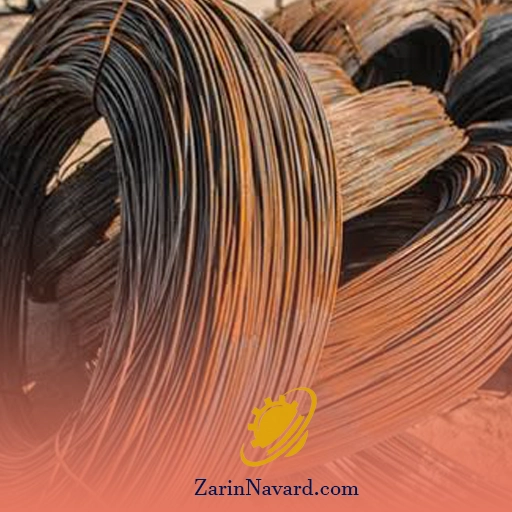
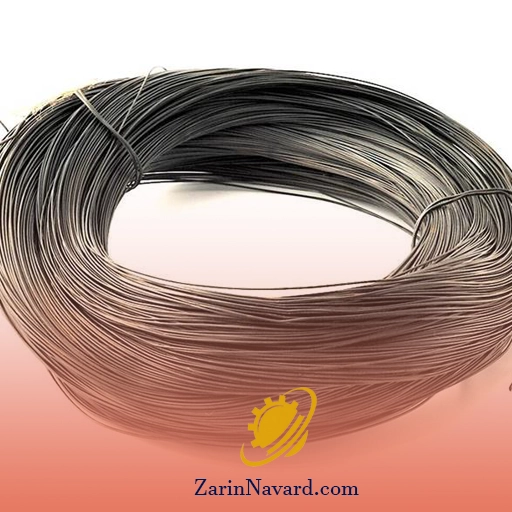
Galvanized wire is essentially black wire that, through a chemical or electrical process, is covered with a layer of zinc. This coating acts as a sacrificial layer; meaning even if a scratch occurs on the wire surface, the zinc layer oxidizes before rust reaches the steel core, preventing corrosion of the base metal.
The importance of corrosion resistance
In construction and agricultural projects, the cost of replacing worn-out parts is much higher than the initial cost of buying high-quality wire. That is why using galvanized wire in outdoor environments is a technical necessity, not a luxury choice.
Production process and the role of the zinc layer
The quality of galvanized wire directly depends on the thickness and uniformity of the zinc layer. The thicker and more adhesive this layer is, the higher the wire's resistance against acidic and humid atmospheric conditions.
Key differences between hot and cold galvanized wire
Key Takeaway: Hot galvanized wire has a thick and durable coating suitable for harsh environmental conditions, while cold galvanized wire has a shinier appearance but is designed for indoor use and mild conditions.
The biggest confusion for buyers is the difference between these two types. This difference directly impacts not only the appearance but also the useful life of the final product.
Hot-Dip Galvanized Method
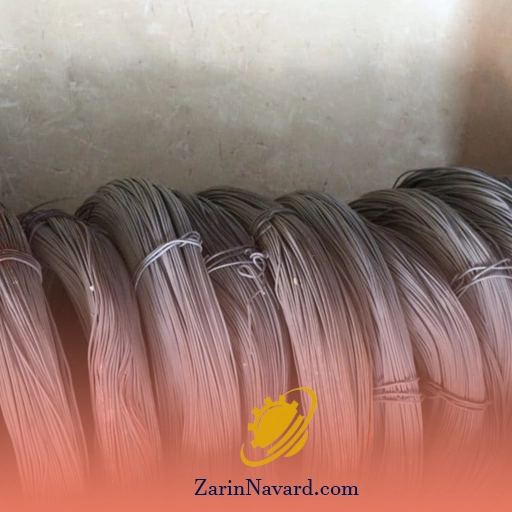
In this method, the wire is immersed in a high-temperature molten zinc bath. This creates a strong metallurgical bond between zinc and steel, resulting in a high thickness of the protective layer and a very long lifespan.
Electro-Galvanized or Cold Method
In this method, the zinc layer is deposited on the wire surface through an electrolysis process. This layer is much thinner and gives the wire a shiny and uniform appearance, but it has less resistance against severe corrosion.
|
Feature |
Hot Galvanized |
Cold Galvanized |
|---|---|---|
|
Coating thickness |
High |
Low |
|
Durability in humid environment |
Excellent |
Medium to weak |
|
Appearance |
Dull grey |
Shiny and silver |
|
Main application |
Outdoor and industrial |
Indoor and decorative |
Criteria for selecting and buying galvanized wire
Key Takeaway: For a successful purchase, attention must be paid to the final application, wire diameter, and zinc layer thickness to avoid paying extra for a product that does not match your needs.
Buying galvanized wire should not be done solely based on price. An engineering perspective on purchasing reduces maintenance costs in the long run.
Determining the quality of the zinc layer
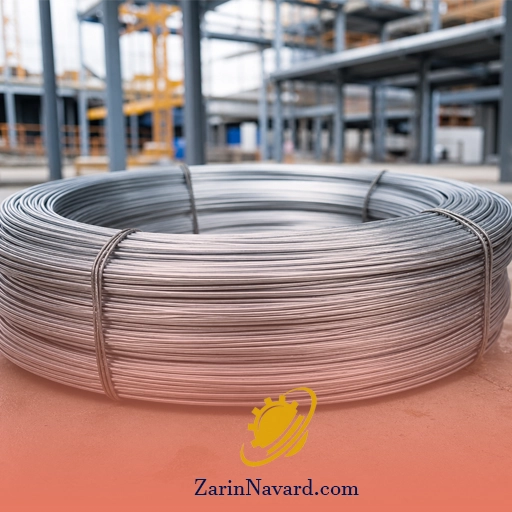
In hot galvanized wire, the surface is slightly rough and grey, indicating high zinc thickness. If you are looking for a product that will last for years in coastal or humid environments, appearance should not be your priority.
Choosing the right size based on application
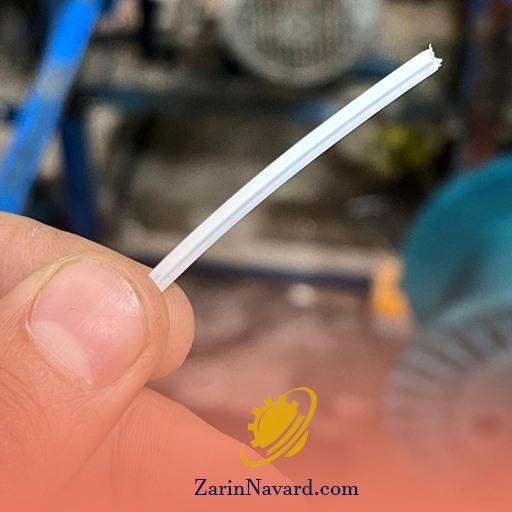
Choosing the wrong diameter can cause the wire to break under pressure or waste money if an excessively thick size is used. 1.2 to 2 mm sizes are usually used for meshes, and 2.5 to 4 mm sizes are used for strong fences and agricultural scaffolding.
Specialized applications of galvanized wire
Key Takeaway: The main application of this wire ranges from manufacturing delicate meshes to industrial fencing and even strengthening greenhouse structures.
Fencing and mesh industry
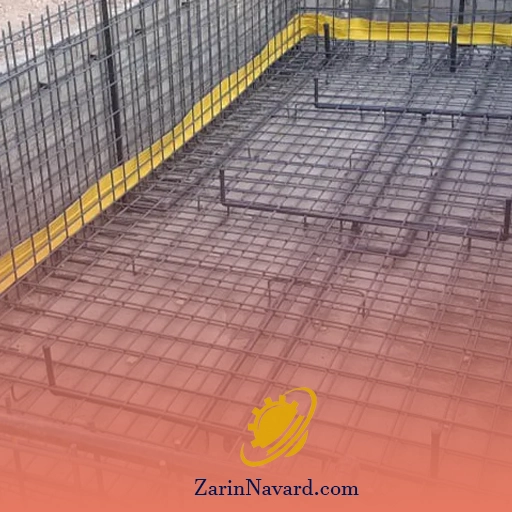
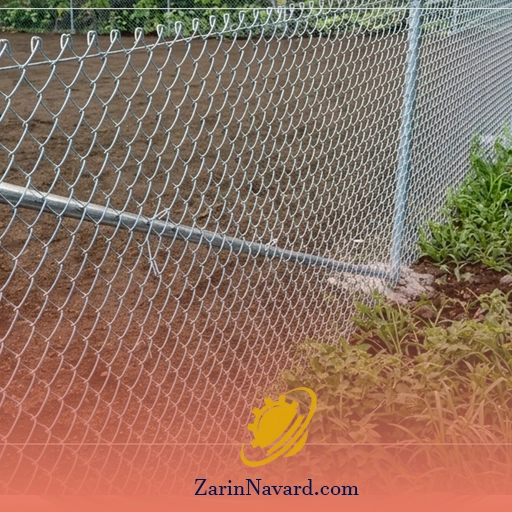
For creating durable fences, hot galvanized wire is the standard choice. This wire resists tensile stress and ground moisture well.
Agricultural and livestock uses
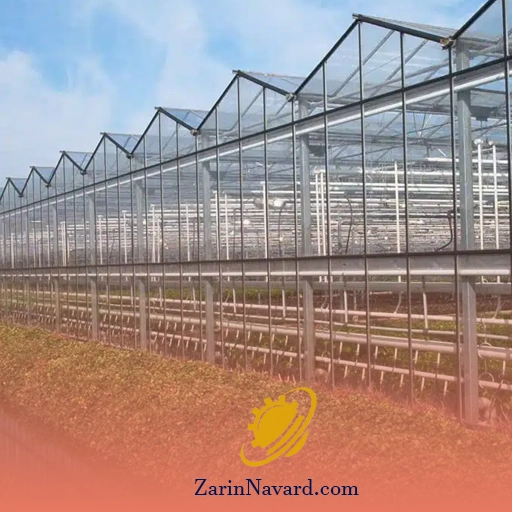
In building livestock cages, grape trellises, and greenhouses, galvanized wire is the best option due to its lack of reaction with agricultural chemicals and resistance against chemical fertilizers.
Production standards and quality control
Key Takeaway: High-quality productions are carried out based on international standards such as ASTM A641, which guarantee the exact thickness of the zinc layer and the mechanical properties of the wire.
When a product is manufactured according to standards, it means you can count on its durability. In bulk purchases, always request the product analysis sheet from the seller to ensure standards have been met.
The importance of the ASTM standard
This standard determines the minimum amount of zinc on the wire surface. Products lacking this certificate or analysis may rust much sooner than expected.
Safety tips and useful life
Standard hot galvanized wire can remain rust-free for decades in normal environments, provided that the zinc coating is not seriously damaged during installation or mesh weaving.
Frequently asked questions about buying galvanized wire
Question: What is the main difference between hot and cold galvanized wire?
Answer: The main difference is the thickness of the zinc coating. The hot type has a thicker and more resistant coating, which is excellent for outdoor use, while the cold type is thinner and suitable for indoor environments.
Question: Why does the price of galvanized wire fluctuate?
Answer: The price of this product is highly dependent on the global price of steel ingots and zinc on the metal exchange, which is why price inquiries should be made daily.
Question: What size is suitable for garden fencing?
Answer: Usually, 2 to 3 mm diameter hot galvanized wires create the best balance between strength and price for fencing.
Question: Can galvanized wire be welded?
Answer: Yes, but note that the welding area loses its zinc coating and must be recoated with zinc protective sprays to prevent rust.
Question: What is the weight of each coil of galvanized wire?
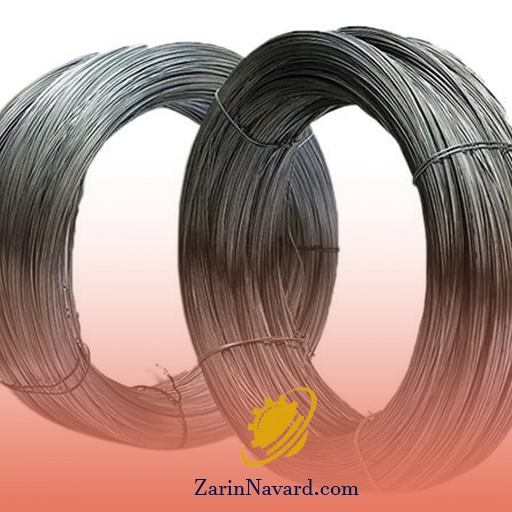
Answer: The weight of coils is not standard and varies from 20 to 50 kilograms depending on the manufacturer, so be sure to check the net weight of the load when purchasing.
Conclusion
Key Takeaway: Galvanized wire is an investment in the durability of your structures; make the choice between hot and cold types based on the environmental needs of the project to obtain the highest efficiency.
Selecting and buying galvanized wire is more than a simple metal trade. If you are looking for longevity, resistance, and reducing secondary costs, technical understanding of this product's differences helps you choose a professional and durable option instead of buying a cheap but short-lived product. Hot galvanized wire is designed for challenging environments and cold for general or delicate uses; by following this simple principle, your projects will be resistant to erosion for years.