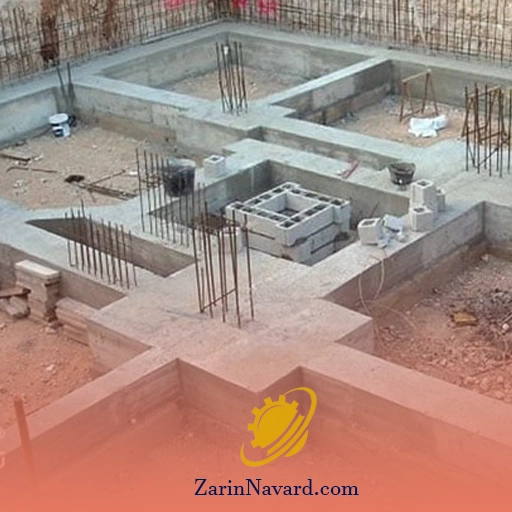
Wire Buying Guide for Construction Projects
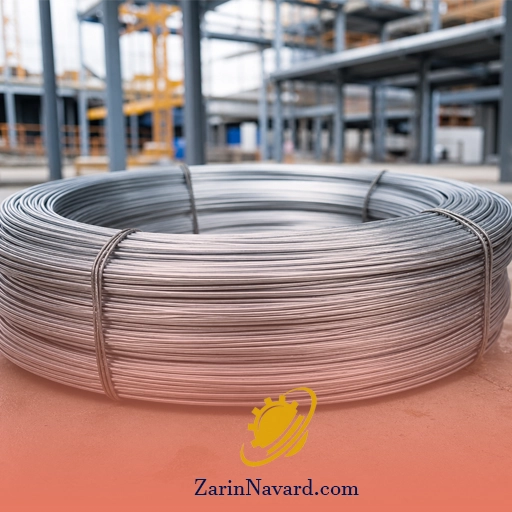
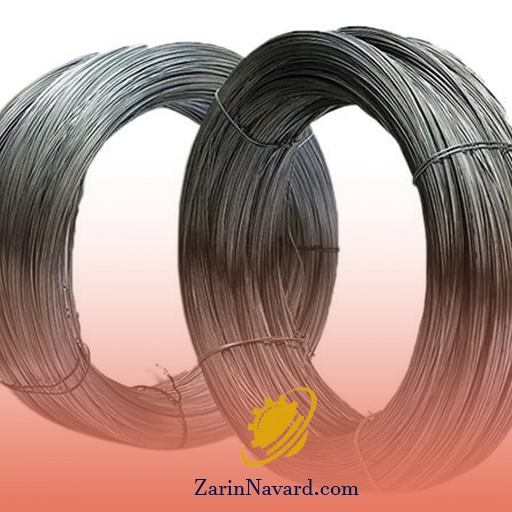
black annealed wire for construction projects
In construction projects, wire is one of those items that might seem like a simple purchase at first glance, but in practice, if not chosen correctly, it can affect execution speed, work quality, and the final cost. Whether you are looking for black wire for rebar tying or going for annealed wire for more general uses, you must make the purchase with an execution perspective, not just a price-based one.
Key Takeaway: To buy wire in a construction project, you must first specify the exact application, size, consumption volume, and supply plan.
What information should be specified before buying wire for a construction project?
Key Takeaway: Before contacting the seller, clarify 4 main data points: project type, consumption amount, environmental conditions, and time and financial constraints.
Specify the project type and execution stage
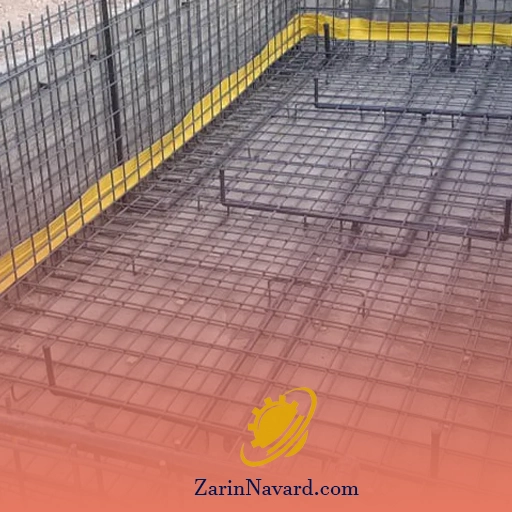
The most important question is what you need the wire for. The needs of a concrete skeleton project with a packaging workshop or a large civil project are not the same. In the rebar tying stage, the focus is usually on softness, knotting ability, and work speed, but in some other uses, higher resistance may become important.
If the project is in the foundation, column installation, formwork, or temporary bracing stage, your type of use will differ. The more accurately you define the application, the less likely you are to make a mistake in purchasing.
Estimate the approximate wire consumption
One of the most common mistakes is that purchasing is done without an estimate of consumption. This either causes work stoppage due to a shortage of goods or locks up the project's capital in the warehouse.
To get a better estimate, check these items:
- Volume of rebar tying or execution operations
- Number of simultaneous project sections
- Duration of each phase
- Daily or weekly workshop consumption pattern
Consider the project's environmental conditions
The project environment affects the selection and storage of wire. If the project is in an open space, a humid area, or a location with constant load movement, you should be more sensitive about how to store it and the consumption schedule.
In projects where goods remain in the workshop longer, order in delivery and storage becomes more important.
Specify budget constraints and supply time
In some projects, the budget is limited, and in others, time is more important than price. If this priority is not specified from the beginning, an order might be placed that is not in line with the financial plan or the workshop schedule.
What specifications should be declared when ordering wire for construction projects?
Key Takeaway: The more accurately the order information is declared, the less likely there is to be a wrong delivery, delay, or conflict in execution.
Accurately declare the diameter, coil weight, and required quantity
In the market, the difference between an accurate and a vague order is very important. You must clearly state the desired diameter, the weight of each coil or weight range, and the total required quantity. For example, ordering black wire for rebar tying is not the same as ordering thicker wire for other applications.
It is better to state these 3 items clearly when ordering:
- Exact wire size
- Approximate weight of each coil
- Tonnage or number of required coils
Specify the packaging type and delivery method
In real projects, the product itself is not the only important thing; how it reaches the workshop also matters. If the packaging or loading method is not suitable, unloading and using the product will be difficult.
Check the project's need for bulk or phased purchasing
Not all projects should make bulk purchases from the beginning. Sometimes phased purchasing is more logical, especially when the execution time is long or the warehouse space is limited. Conversely, large projects with a fixed schedule usually benefit more from bulk purchasing.
Coordination with the execution unit or contractor before finalizing the order
Many purchasing mistakes happen when the purchasing unit finalizes the order without full coordination with the foreman, rebar worker, or execution manager. The final approval should be with the person who actually uses the wire.
Most important execution points in buying construction wire
Key Takeaway: A correct purchase is valuable when it is coordinated with the rhythm of project execution, transport conditions, and consumption uniformity in the workshop.
Purchasing wire proportional to the volume of execution operations
If your project is active on several fronts, wire supply must also be planned proportional to that volume. Purchasing too little causes execution to stop, and purchasing too much increases the cost of capital tie-up.
Pay attention to ease of transport, storage, and use in the workshop
Coils that are difficult to move or are deposited in an unsuitable place reduce workshop productivity. Therefore, it is better to pay attention to the unloading path, storage space, and access for the execution team before purchasing.
Check the uniformity of the order to avoid execution discrepancies
When the order is supplied from several different sources without specification control, discrepancies may occur in softness, coil weight, or surface quality. These differences are quite noticeable in execution.
Why can incorrect selection cause waste of time and money?
If the wire is not aligned with the project's needs, one of these problems usually occurs:
- Higher consumption than expected
- Decrease in execution speed
- Rework in part of the operations
- Increase in transport or supplementary purchase costs
What points should we pay attention to when buying wire in bulk for construction projects?
Key Takeaway: Bulk purchasing is economical when consumption estimation, delivery schedule, and storage capacity are managed correctly.
Benefits of bulk purchasing for medium and large projects
In large projects, bulk purchasing can create more stability in supply, reduce transport costs, and increase the buyer's bargaining power. This is also very important for wholesalers and material sellers.
How to prevent shortages or surplus inventory in the project?
The best way is to combine consumption estimation with a phased supply plan. That is, part of the order is finalized, and another part is released based on the actual progress of the project.
Phased supply planning for cost and warehouse control
Phased supply is suitable for projects that:
- Have limited warehouse space
- Are phased in their execution
- Have high consumption fluctuations
- Need liquidity control
When is direct purchase from the supplier more economical?
When the order volume is high, the project has a specific schedule, and it is necessary to receive continuous support, direct purchase from the supplier is usually a better option. Analytical reports from steel chain activists and the experience of market wholesalers also show that transparency of the supply source reduces the risk of sudden shortages.
Common mistakes in buying wire for construction projects
Key Takeaway: Most purchasing errors stem not from product quality, but from weaknesses in estimation, coordination, and supply planning.
Purchasing without an accurate estimate of project needs
This mistake causes the workshop to either face a shortage of goods or purchase more than is needed.
Placing an order solely based on low price
If a low price is accompanied by delays in delivery, irregular quality, or poor service, it ultimately increases the project cost.
Ignoring delivery time and logistics coordination
Even the best price loses its execution value if the load arrives late. The arrival time of the goods must be coordinated with the daily or weekly schedule of the project.
Ignoring storage conditions at the project site
If the project site is not ready for storing the coils, the order of consumption will be disrupted and the probability of damage or waste of goods increases.
How to choose a suitable supplier for buying wire?
Key Takeaway: A suitable supplier is not just a seller; they must have responsiveness, specification transparency, and continuous supply capability.
Check the supplier's background, credit, and supply capacity
A suitable seller is one who has a verifiable background, real customers, sustainable supply capacity, and clear responsiveness. For bulk and export buyers, this criterion is even more important.
Importance of transparency in declaring specifications and sales terms
If the seller is not transparent in declaring size, weight, delivery time, load origin, and payment terms, the purchase risk increases. Transparency is an important part of trust in the materials market.
Why support and the possibility of continuous supply matter?
In multi-phase projects, one-time delivery is not enough. You need a supplier who can repeat the same quality and order in the continuation of the project.
What questions should you ask the seller before buying?
- What exactly are the sizes and weights of the coils?
- From what origin and in what range is the load sent?
- Is continuous supply possible for future phases?
- What are the settlement, loading, and delivery terms?
- Is a phased delivery plan offered for bulk purchases?
Final checklist for buying wire for construction projects
Key Takeaway: Before finalizing the order, review the technical specifications, delivery schedule, and purchase documents completely once.
Review the required technical and execution specifications
Before final registration, check the project's application, size, consumption amount, and execution needs again.
Finalize the quantity, delivery time, and shipping terms
Ensure that the order quantity, delivery date, unloading location, and loading coordination are registered clearly.
Check documents, invoices, and order details
The existence of a transparent invoice, registration of product specifications, and agreed terms is of high importance in bulk purchases.
Conclusion: How to buy suitable wire for a construction project with confidence?
Key Takeaway: A safe wire purchase means choosing the product suitable for the project's actual needs, not just the cheapest option on the market.
Prioritization between quality, delivery time, and budget
In professional purchasing, you must specify which factor is more important for your project. Sometimes supply speed is the priority, sometimes quality uniformity, and sometimes liquidity control.
More accurate decision-making by inquiring and checking several suppliers
The best decision is made when you take several real inquiries, compare specifications, and do not just look at the price figure. If your goal is to buy black wire or annealed wire for a construction project with the lowest risk, comparing suppliers and coordinating with the execution team will be the most important step before ordering.
Frequently Asked Questions (FAQ):
Question: What type of wire is usually used for building rebar tying?
Answer: In most construction projects, black wire or annealed wire is used as rebar tie wire because it has suitable softness and knotting ability for binding rebars.
Question: What information should we declare to the seller when buying construction wire?
Answer: You must accurately declare the required size, order quantity, approximate coil weight, delivery location, required time, and project application so that the probability of error in supply decreases.
Question: For which projects is bulk wire purchase more suitable?
Answer: Bulk purchasing is more suitable for medium and large projects, wholesalers, material sellers, and workshops that have continuous consumption and a specific schedule.
Question: Is buying the cheapest wire always the right choice?
Answer: No, because if a low price is accompanied by delays in delivery, inconsistency in specifications, or weakness in continuous supply, it can increase the final cost of the project.
Question: How to prevent wire shortages in the project?
Answer: By accurately estimating consumption, coordinating with the execution team, and planning for phased supply, the risk of shortage of goods during the project execution can be greatly reduced.
Question: What points should we pay attention to when choosing a wire supplier?
Answer: Seller's background, transparency in declaring specifications, continuous supply capability, order in delivery, quality of responsiveness, and the possibility of coordination for future orders are the most important criteria.