Wire Maintenance; A Guide to Storage and Lifespan Extension
how to maintain steel wire and storage guide
Why is proper wire maintenance important?
Key Takeaway: Proper wire maintenance prevents structural quality loss, rusting, and financial loss caused by unusable material.
The impact of environmental conditions on wire rust and corrosion
Open environments or roofless warehouses expose wire to direct rain and moisture. Metal oxidation occurs rapidly in the presence of oxygen and water, causing the surface layers of the wire to gradually erode and disappear. This happens twice as fast in coastal and humid regions.
Damages caused by improper steel wire storage
When wire is stored in poor conditions, it not only changes in appearance but also suffers from cross-sectional reduction. This reduction means a loss in tensile strength. Replacing damaged coils imposes huge costs on projects that could have been prevented with simple storage.
Maintaining mechanical properties for sensitive projects
In precise industries like automotive parts manufacturing or engineering structures, changes in the mechanical properties of the wire due to corrosion can compromise the safety of the entire structure. Proper maintenance ensures that the wire has exactly the technical characteristics stated in the product specifications at the moment of use.
The best place and conditions for storing wire
Key Takeaway: The ideal warehouse for wire must be roofed, well-ventilated, dry, and equipped with pallets to separate it from the ground.
The importance of proper ventilation and warehouse humidity control
A good warehouse must have constant airflow to prevent water vapor accumulation. The relative humidity of the warehouse should be kept below 50 percent. Using dehumidifiers in humid areas is a smart investment for maintaining wire rod quality.
Preventing direct contact with the ground (Palletizing)
Direct contact with the concrete or dirt floor of the warehouse transfers moisture directly to the wire. Palletizing with standard wooden or plastic pallets creates a distance of at least 10 to 15 centimeters from the ground, which is vital for preventing corrosion.
Ideal temperature for storing wire coils
Sudden temperature changes cause condensation (formation of water droplets) on the cold metal surface. The warehouse temperature should remain as constant as possible. Avoid storing coils near large entrance doors that are constantly being opened and closed.
Protecting wire from direct sunlight
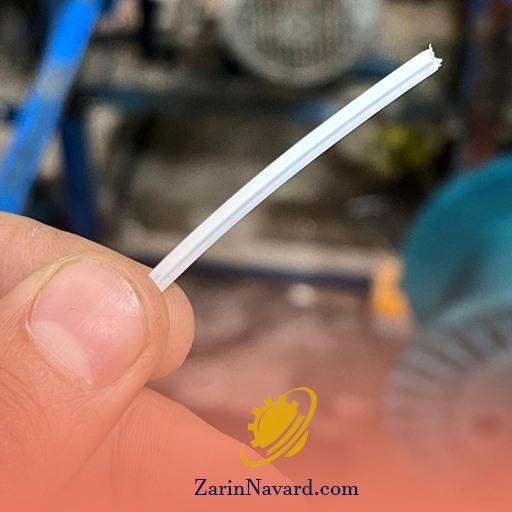
Sunlight alone does not destroy steel, but it can increase surface temperature and intensify chemical reactions if moisture is present. Also, in coated (PVC) wires, UV rays cause the plastic coating to become brittle and crack.
Technical tips for maintaining various types of wire
Key Takeaway: Black wire is most sensitive to moisture, while galvanized and stainless steel wires are more resistant to environmental factors but still require care.
Proper storage method for black (annealed) wire
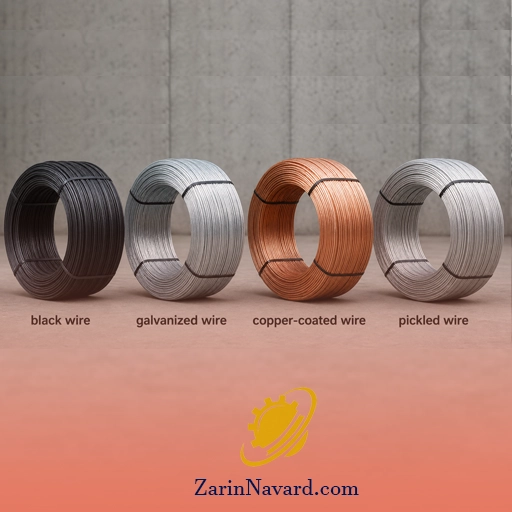
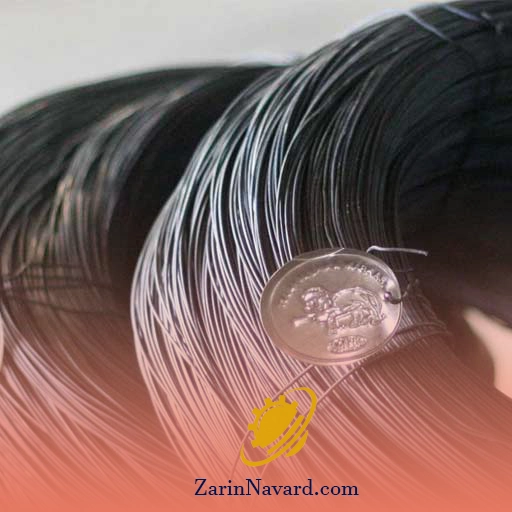
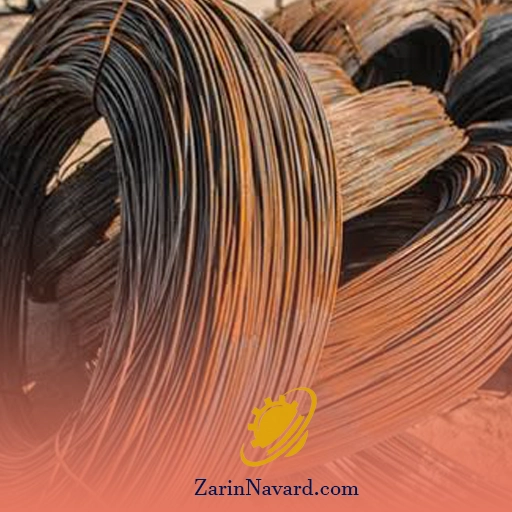
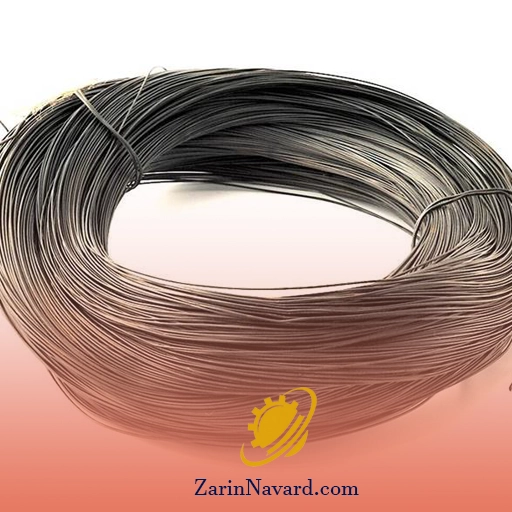
Black wire rusts very quickly due to the lack of a protective coating. These wires must be stored in completely enclosed environments and wrapped in plastic. According to industrial standards, the useful life of uncoated black wire in a normal environment is less than a few weeks.
How to protect galvanized wire from oxidation
Although galvanized wire is resistant due to the zinc layer, it may develop "white rust" if it comes into contact with water. White rust is the result of oxidation of the zinc layer, which, although it does not damage the steel core, ruins the product's appearance. Keeping it in a dry place is also mandatory for galvanized wire.
Maintenance tips for coated (PVC) and stainless steel wires
Coated wires must be kept away from UV rays and solvents. Despite their high resistance, stainless steel wires should not be placed near ordinary iron particles, as contact between the two metals can cause galvanic corrosion at the contact points.
Preventive measures to avoid wire damage
Key Takeaway: Wrapping, periodic lubrication, and regular inventory management are practical solutions for ensuring long-term wire health.
Using protective covers and wrapping
Covering coils with plastic or waterproof fabrics prevents dust and moisture from settling on the metal surface. Dust can absorb atmospheric moisture and act like a wet sponge on the wire surface.
Lubricating industrial wires for long-term storage
If coils are to remain in the warehouse for more than 6 months, it is recommended to coat their surface with a thin layer of industrial protective oil (Rust Preventive Oil). This oil layer prevents oxygen from coming into direct contact with the iron surface.
Categorizing and coding coils for better warehouse management
Follow the FIFO (First In, First Out) system; meaning, coils that entered the warehouse earlier should be used first. By coding and labeling, you can control the shelf life of each coil to prevent overly long storage.
Common mistakes in wire maintenance to avoid
Key Takeaway: Proximity to acids, excessive stacking, and aggressive handling are mistakes that destroy wire quality.
Storing wire near chemicals and acids
Never place wire coils in a warehouse where acidic detergents, chemical fertilizers, or solvents are kept. Gases emitted from these materials can accelerate the corrosion process a hundredfold.
Improper handling and deformation of coils
Using forklift prongs without protection can damage the wire surface. Surface scratches are the first places where rust starts. Always use handling equipment with soft covers.
Failure to observe stacking principles
Stacking too many heavy coils on top of each other causes deformation of the bottom coils. This deformation can cause wire tangling and production line stoppage when opening the coil for use in automatic machines.
Frequently asked questions about wire maintenance
Key Takeaway: Being aware of rust signs and permissible storage time helps you make better decisions.
How long does wire remain healthy in the warehouse?
Under ideal conditions (roofed and dry warehouse), galvanized wire remains healthy for several years, and black wire, if properly packaged, for up to one year. However, in an open workshop environment, this time drops to less than a month.
What are the signs of surface rust on wire?
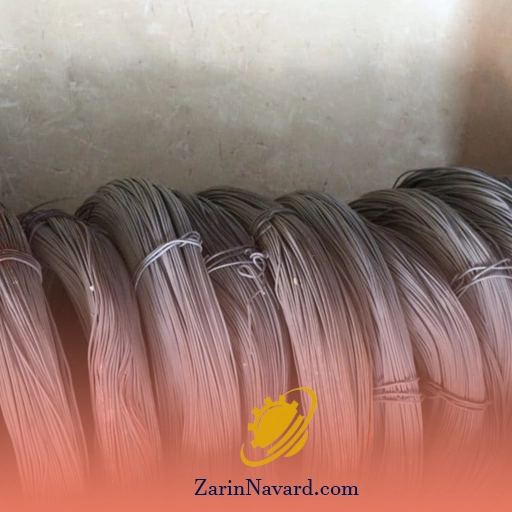
Color change to orange or light brown and the loss of metal shine are the first signs of rust. If an orange powder comes off when you run your hand over the surface, corrosion has entered more serious stages.
Does minor rust prevent wire usage?
If the rust is only on the surface and can be wiped off with a rough cloth, it usually does not cause strength problems. But for sensitive projects, a tensile test must be performed by an expert.